
Many gardeners shy away from pruning roses because they’re afraid of cutting too much—or cutting in the wrong place. But there’s no reason to fear the shears! Most roses are pruned in early spring, and the first step is simply to remove dead or damaged branches.
Pruning roses is easier than you might think. From there, we’ll show you where to make your cuts, how much to trim, and when to prune different types of roses for healthy plants and beautiful blooms.
When Is the Best Time to Prune Roses?
The right time to prune roses depends on the type of roses you’re growing and whether they bloom on old wood or new wood. Roses that bloom repeatedly are generally pruned in early spring, while roses that bloom only once are pruned after their flowers fade.
What’s the difference? Old wood means stems that grew in previous years. Roses that bloom on old wood need those stems to produce flowers, so don’t cut them back before they flower—or you’ll lose this year’s blooms!
New wood means fresh growth produced during the current season. Roses that bloom on new wood can be pruned in early spring to encourage fresh growth and more flowers.
Not sure when to prune your roses? Here’s a quick guide by rose type:
| Rose Type | Best Time to Prune |
|---|---|
| Hybrid teas, floribundas, and grandifloras | Early spring |
| Knock Out roses | Early spring, if needed |
| Other shrub roses | Early spring for repeat bloomers; after flowering for once-bloomers |
| Climbing and rambling roses | Early spring for repeat bloomers; after flowering for once-bloomers |
| Old garden and species roses | After flowering for once-bloomers; early spring as needed for repeat-bloomers |
These are general guidelines for major pruning. Remove dead, damaged, or diseased wood as needed.
Early Spring: Roses That Bloom Repeatedly
Most repeat-blooming modern roses, including hybrid tea roses and floribundas (roses that produce clusters of flowers), grow best when they’re pruned in early spring—just as their buds begin to swell, before the leaves fully open.
These roses bloom on new wood, so spring pruning encourages healthy new growth and more flowers.
I find the best time to prune these types of roses is around when forsythias bloom in my yard. This is when I do major structural pruning and clean up any winter damage to my roses.
After Flowering: Roses That Bloom Once
Species roses and single-flowering roses, such as most old garden roses, flower on old wood and only need minimal pruning after their flowers fade.
Fortunately, these roses may not need pruning every year. When you do prune, focus on removing damaged or crowded branches and maintaining the plant’s natural shape.
Summer and Fall: Light Pruning and Cleanup
Summer: During summer, repeat-blooming roses also benefit from deadheading, which removes spent flowers but leaves the rest of the plant intact. This process is technically optional, but it can encourage a lot more blooms!
Fall: Some growers may opt to prune roses in fall as well, but this can encourage tender new growth late in the season and make roses more vulnerable to cold damage. That’s why I always recommend keeping fall pruning to a minimum.
If long canes are likely to be damaged by winter winds, you can shorten them a little. Otherwise, save the major pruning for spring.
How to Prune Roses in 5 Steps
Although rose varieties have slightly different pruning needs, all roses benefit from at least some light pruning. We’ll go into the nitty-gritty of pruning different rose varieties below, but you can prune any rose with these 5 basic steps.

Tools:
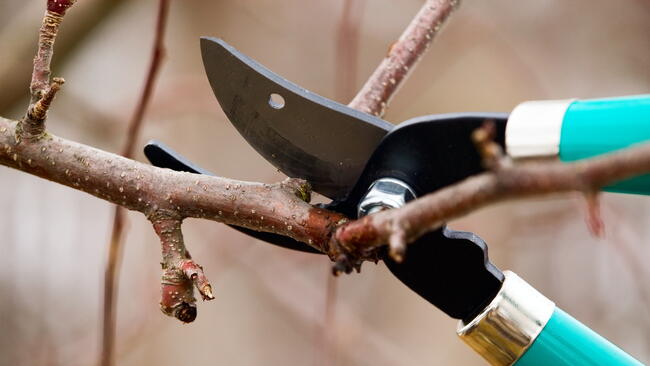
- Pruners. Use sharp, bypass-style hand pruners with a cutting blade that slides past a second blade like scissors. They make clean cuts on living stems and can handle rose canes (the woody stems of a rosebush) up to about ¾ inch thick.
- Loppers or hand saw. Use loppers for thicker canes or a hand pruning saw for very old, woody stems.
- Leather gloves. These are the best gloves to protect your hands from rose prickles. It’s wise to wear safety goggles or sunglasses, along with long sleeves and pants, too!
Step 1: Clean and Disinfect Your Tools
Roses are susceptible to various plant diseases, so it’s essential to clean and disinfect tools before you start pruning and in between each plant you work with. You can do this by soaking tools in a 10% bleach solution (1 part bleach to 9 parts water) for 30 minutes, then rinsing and drying them thoroughly. Or you can quickly disinfect blades by wiping them down with 70% rubbing alcohol.
Step 2: Know Where to Cut
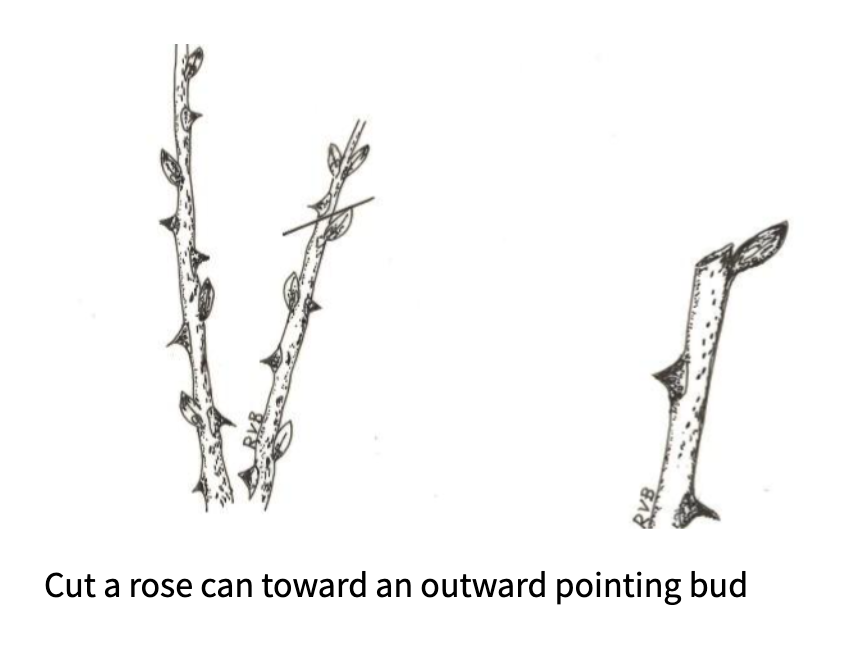
When shortening a rose cane, look for an outward-facing bud—a small bump on the stem where new growth will emerge.
Make a clean cut about ¼ inch above the bud, at a 45-degree angle slanting away from it. The angled cut allows water to run off, while cutting above an outward-facing bud encourages new branches to grow outward rather than crowding the center of the rosebush.
If you’re removing an entire cane rather than shortening it, cut it off at the base instead.
Step 3: Remove Damaged Wood
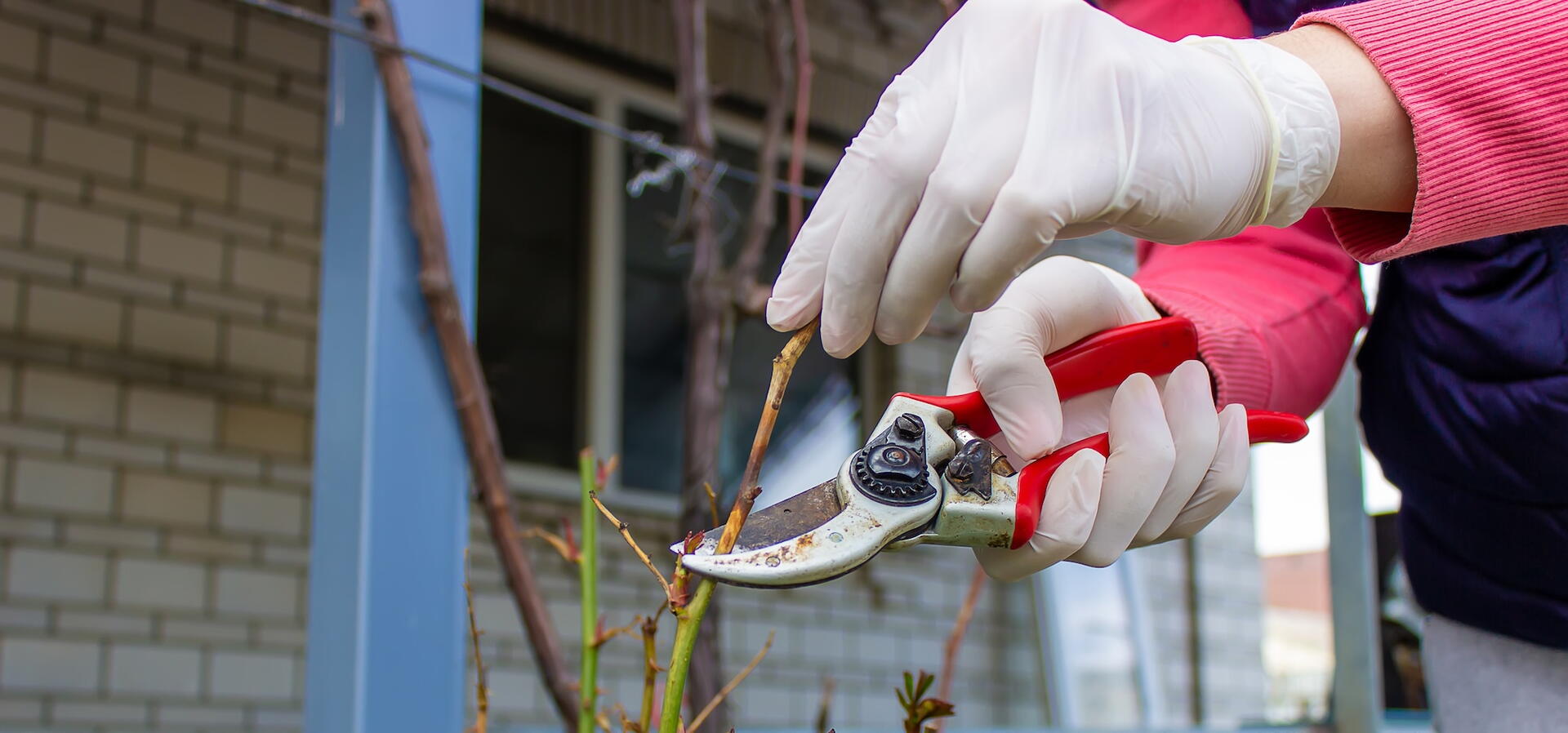
When you’re ready to prune, start by locating any dead, damaged, or diseased rose canes and pruning these unhealthy bits down to the ground or to a healthy section of the cane with a live white or green interior, called the pith. You can and should do this on any type of rose!
Step 4: Thin out weak and crossed stems.
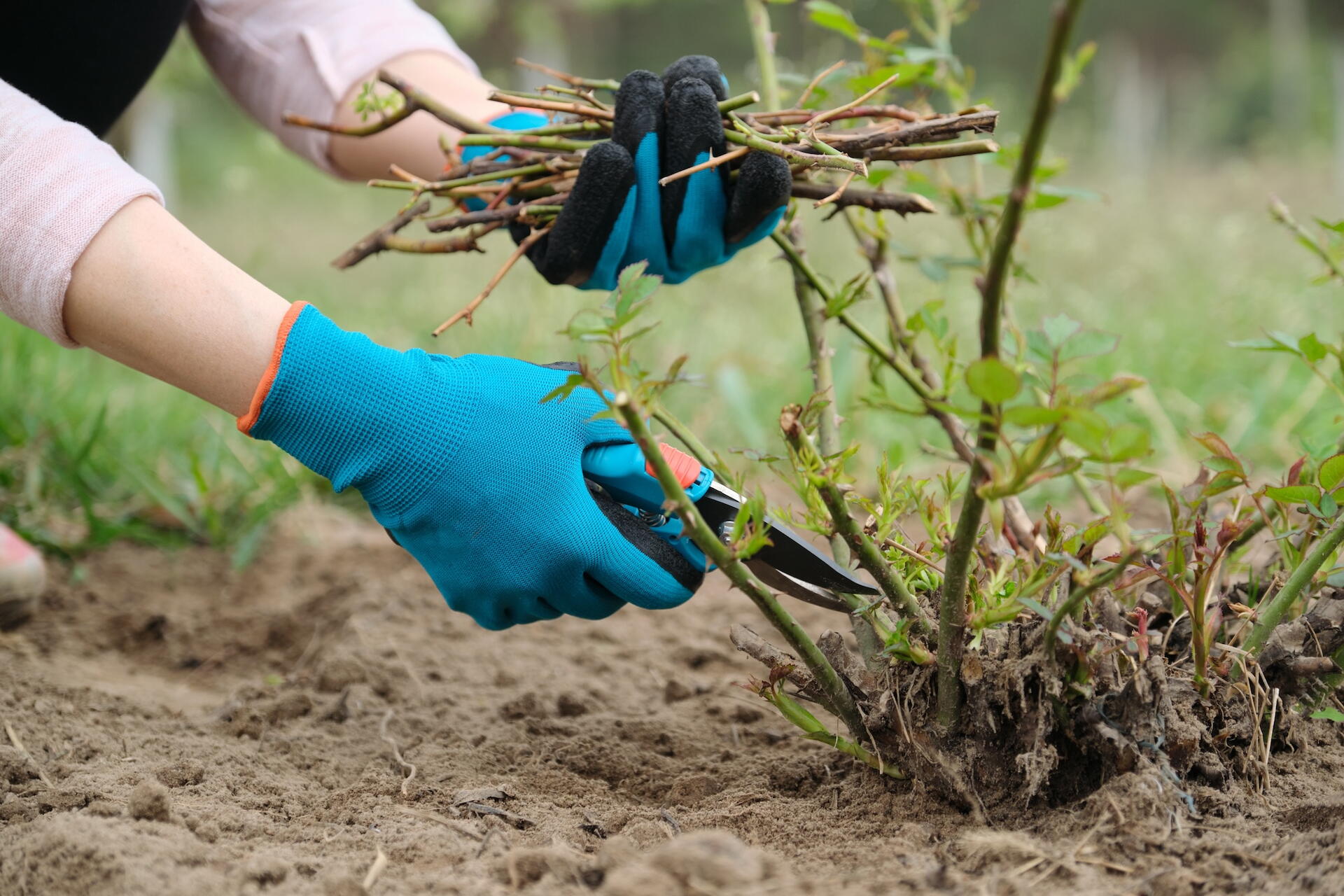
For established rose bushes, pinpoint crossed branches, stems, or canes that are weak and thinner than a pencil, and remove them with a clean, sharp cut. The goal here is to cut away some of the crowded branches and open the center of the plant to sunlight and air.
If your roses are grafted, this is also a good time to remove any suckers around the base of the plant. Grafted roses have a swollen area near the base called the graft union, where one rose variety was joined to another’s roots. Suckers are unwanted shoots that grow from below this union. You may need to dig away some of the soil to locate the base of the suckers.
Step 5: Prune to shape.
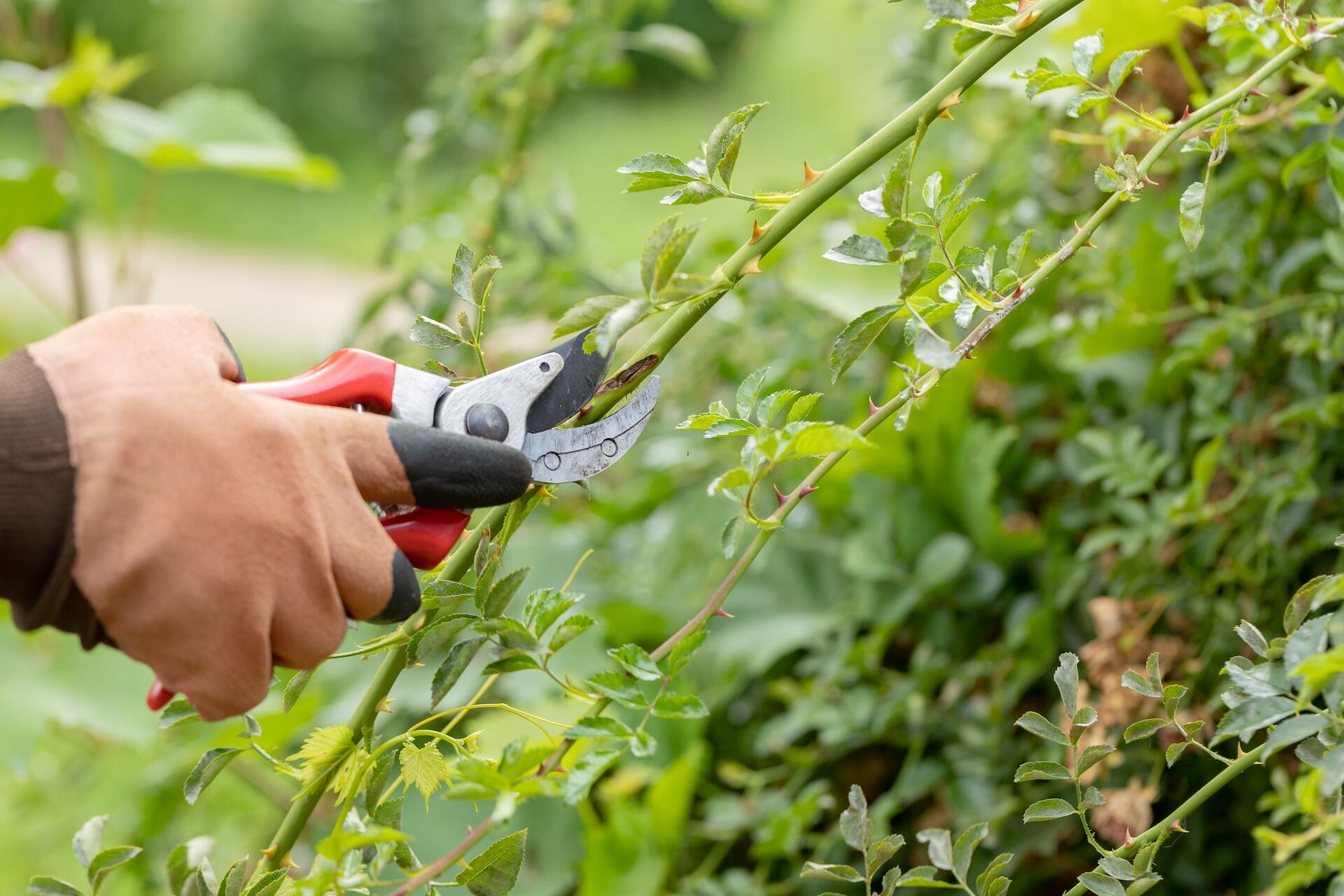
To finish, trim away wayward branches and other canes that detract from your rose’s overall look, then follow the recommended pruning guidelines below for your rose type.
How to Prune Different Types of Roses
Rose pruning varies depending on when and how often roses bloom. If you’re just getting started with pruning roses, you can stick to the basic pruning process listed above. However, the specific guidelines below will help refine your plants’ appearance and boost flowering, too!
Not sure what type of rose you have? Check the plant label or look at how your rose grows and flowers. If you’re still unsure, stick to light pruning until you know more.
Hybrid Teas, Floribundas, and Grandifloras
When to prune: Early spring. Many modern roses—including hybrid teas, floribundas, and grandifloras—bloom on new wood and generally benefit from more pruning than other rose types for healthy growth and flowering.
Which roses are these? Hybrid tea roses typically produce large flowers on individual stems, while floribunda roses produce clusters of flowers. Grandifloras often have large flowers on tall stems, sometimes in clusters.
How to prune: Once you’ve followed the basic pruning guidelines above:
- Choose 3 to 6 of the healthiest canes on your established rosebush and remove weaker or unwanted canes at the base.
- Cut back the remaining canes according to rose type. Hybrid teas and grandifloras are often pruned to about 15 to 18 inches tall. Floribundas are generally left taller and fuller, around 18 to 24 inches or more.
- Make your cuts above outward-facing buds to encourage an open, well-shaped plant.
These heights are general guidelines. Adjust how much you prune based on your rose’s size, vigor, and growing conditions. Hybrid teas generally tolerate hard pruning (cutting back a substantial amount of healthy growth), while floribundas usually benefit from a lighter approach.
Summer and fall: After major spring pruning, deadhead modern roses as needed throughout summer to encourage more blooms. If needed, you can also trim long canes back a few inches in fall to reduce the risk of winter wind damage, but this is optional.
Knock Out Roses
When to prune: Late winter or early spring. Knock Out® roses are popular, easy-care shrub roses that bloom repeatedly throughout the season. When you see new shoots beginning to emerge from the canes, it’s time for spring pruning.
How to prune: To maintain a bush about 3 to 4 feet tall and wide, cut established Knock Out roses back to approximately 12 inches above the ground once a year. The plants typically grow to about three times their pruned height by the end of the season.
After cutting back the bush, remove any smaller, weak, or damaged canes to improve air circulation. Clean up and discard the trimmings.
If you prefer a larger rosebush, adjust how much you cut back based on the size you want.
There’s no need to deadhead Knock Out roses—they’ll keep blooming without it!
Other Shrub Roses
When to prune: Early spring for most repeat-blooming shrub roses; after flowering for those that bloom only once.
Shrub roses have a naturally bushy shape, and some bloom once while others flower repeatedly throughout the season.
Single-flowering shrub roses need only light pruning after their flowers fade. Modern reblooming shrub roses are pruned a little differently. These plants flower on mature stems, and hard pruning may reduce flowering.
How to prune:
- Let young shrub roses grow. Skip major pruning for the first 2 to 3 years to see how their natural shape develops. Remove dead or damaged wood as needed.
- Thin out older growth. Once established, follow the basic pruning steps above. If the shrub is becoming crowded or woody, you can remove up to 1/3 of the oldest canes at the base—in early spring for repeat-blooming roses or after flowering for once-blooming roses.
- Keep the vigorous younger canes. These will replace the older stems and help maintain the plant’s natural shape and flowering.
Climbing and Rambling Roses
When to prune: Early spring for repeat-blooming climbers and ramblers; after flowering for once-blooming varieties.
Climbing roses naturally grow over trellises, fences, and arbors, producing long canes that need support. Rambling roses grow similarly but often have more flexible canes and typically bloom just once a year.
For these plants, avoid major pruning for the first few seasons, except to remove dead, damaged, and diseased branches.
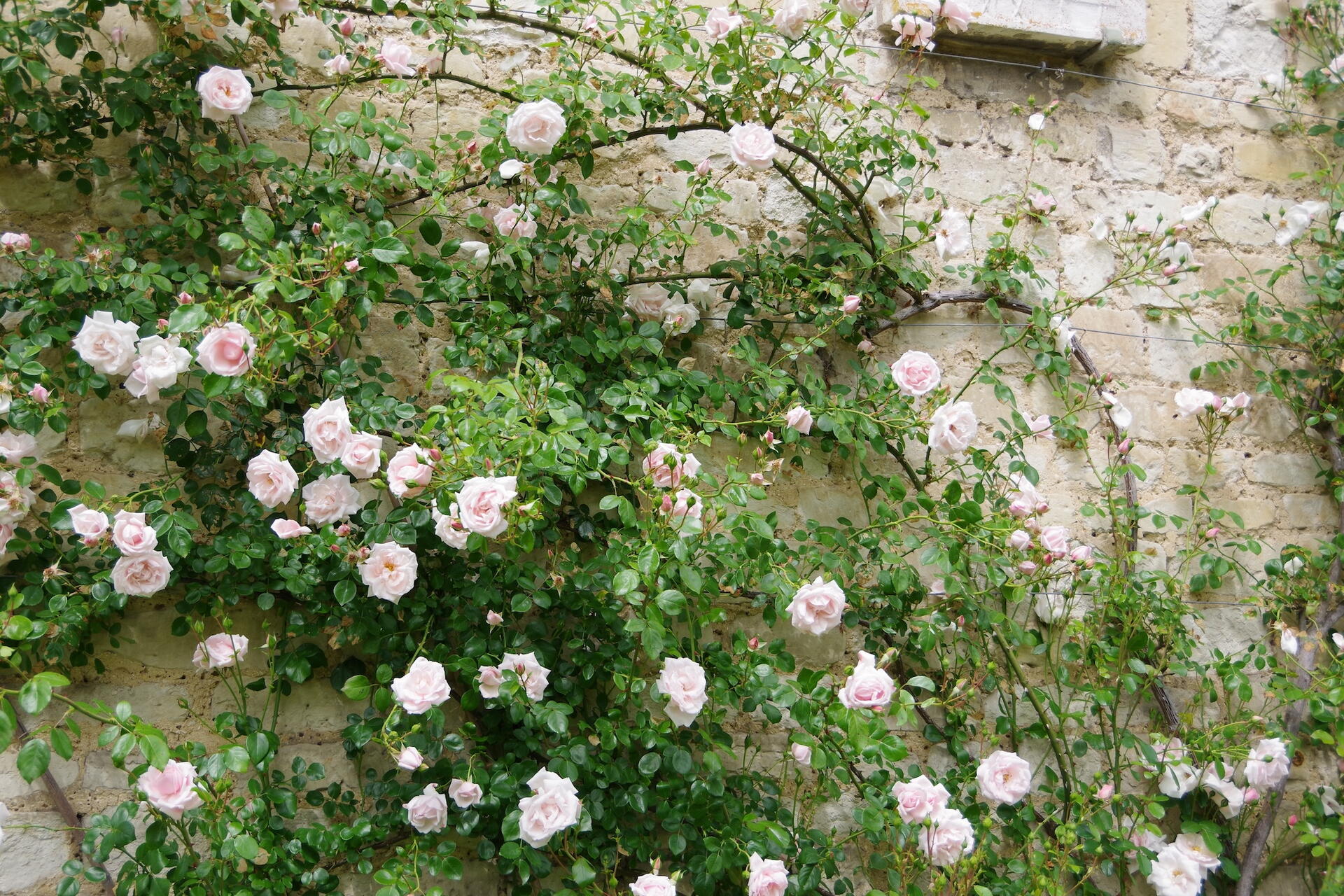
How to prune established climbing roses:
- Keep the strong main canes that form the framework of your climbing rose. Remove any that are dead, damaged, or no longer productive.
- Trim back the side shoots (laterals). Shorten the smaller flowering branches by about half. Longer, healthy shoots can be kept if they’ll help fill out the plant’s support.
- Train the main canes horizontally. Gently fan out the long main canes along a trellis or other support and secure them with soft ties. This encourages flowering along the stems, rather than just at the top.
Remember, timing matters! If you’re dealing with rambling roses that bloom just once per season, wait until immediately after they finish flowering before doing major pruning. Otherwise, you could remove this year’s flower buds.
Old Garden and Species Roses
Many old garden and species roses have a natural, arching shape and bloom only once a year.
Old garden roses, also called heirloom or antique roses, are traditional rose types that existed before 1867. Examples include Damask and Gallica roses. Many are highly fragrant, with full, classic old-fashioned flowers.
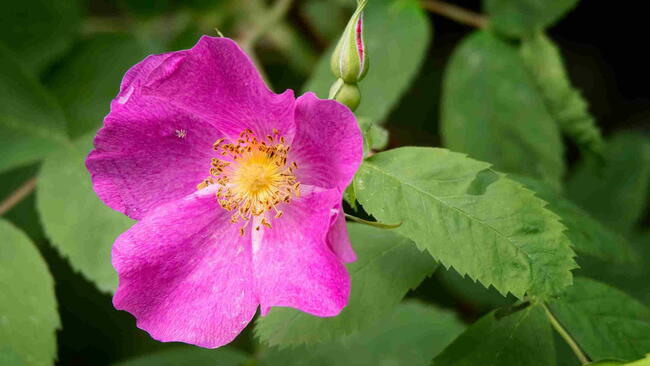
Species roses are wild roses that grow naturally, such as the Carolina rose (Rosa carolina). They typically have simple flowers with five petals and prominent yellow centers, rather than the many layered petals of modern roses.

When to prune: After flowering for once-blooming varieties.
How to prune: These roses need the least pruning and may not need pruning every year. If you do prune once-blooming roses, wait until after the plants finish flowering, then prune minimally to remove damaged or crowded branches and maintain their natural shape.
What about repeat-blooming old garden roses? Some bloom on both new and old wood. These roses can be pruned a little harder in early spring if needed and deadheaded after the first flush of flowers.
What to Do After Pruning Roses
Providing a little TLC to roses after pruning helps keep plants healthy and prevents some pest and disease issues.
To start, clean up and discard any rose trimmings to avoid spreading plant problems. Keep diseased leaves and canes out of your home compost pile. If cane borers are active in your garden, you can also use the craft glue mentioned above to help protect freshly cut canes.
Then, give your roses a deep drink of water if the soil is dry. Refresh the mulch as needed, keeping a layer about 2 to 3 inches deep around the base, but away from the stems. Mulch helps retain moisture and suppress weeds.

If you’re pruning in early spring, it’s also a good time to check your rose’s feeding schedule as new growth begins. Follow the fertilizer package instructions, or see our guide to growing roses for more care tips.
Common Rose-Pruning Mistakes to Avoid
Learning how to prune roses properly takes a little practice and time. But if you want to keep your plants as healthy and productive as possible, here are a few common mistakes to avoid from the start!
- Overpruning. Less is more when you’re unsure what type of rose you have. Pruning too much can remove flower buds and reduce blooming, especially on roses that flower on old wood.
- Pruning at the wrong time. Single-flowering roses that bloom on old wood may not flower at all if you prune them early in the season. Repeat-flowering roses are a little more forgiving, but pruning them late in spring can delay their first flowers.
- Cutting in the wrong place. When shortening a cane, avoid cutting too close to a bud or leaving a long stub above it. Aim for about ¼ inch above an outward-facing bud.
- Using dull or dirty tools. Dull, dirty pruners and loppers can damage rose canes and spread disease. Keep your tools sharp and clean between different plants.
Frequently Asked Questions
-
When is it too late to prune roses?
There’s no single cutoff—it depends on your climate and the type of rose. For repeat-blooming roses, major pruning is best done in late winter or early spring, as buds begin to swell. If you’ve missed that window and your rose is already growing vigorously, stick to light shaping and removing dead or damaged canes. Heavy pruning later in spring can delay or reduce flowering. Roses that bloom only once should be pruned after flowering.
-
Can you prune roses in winter?
Yes, depending on your climate. In mild-winter regions, you can prune many repeat-blooming roses in late winter, before spring growth begins. In colder regions, it’s better to wait until the danger of severe freezes has passed. Avoid cutting back once-blooming roses in winter, since you could remove the stems that will produce their spring or summer flowers.
Sources
- University of Nevada, Reno Extension — Different Rose Varieties Need Different Pruning
- University of Georgia Cooperative Extension — Pruning Ornamental Plants in the Landscape
- University of Illinois Extension — Pruning

More Like This

Comments