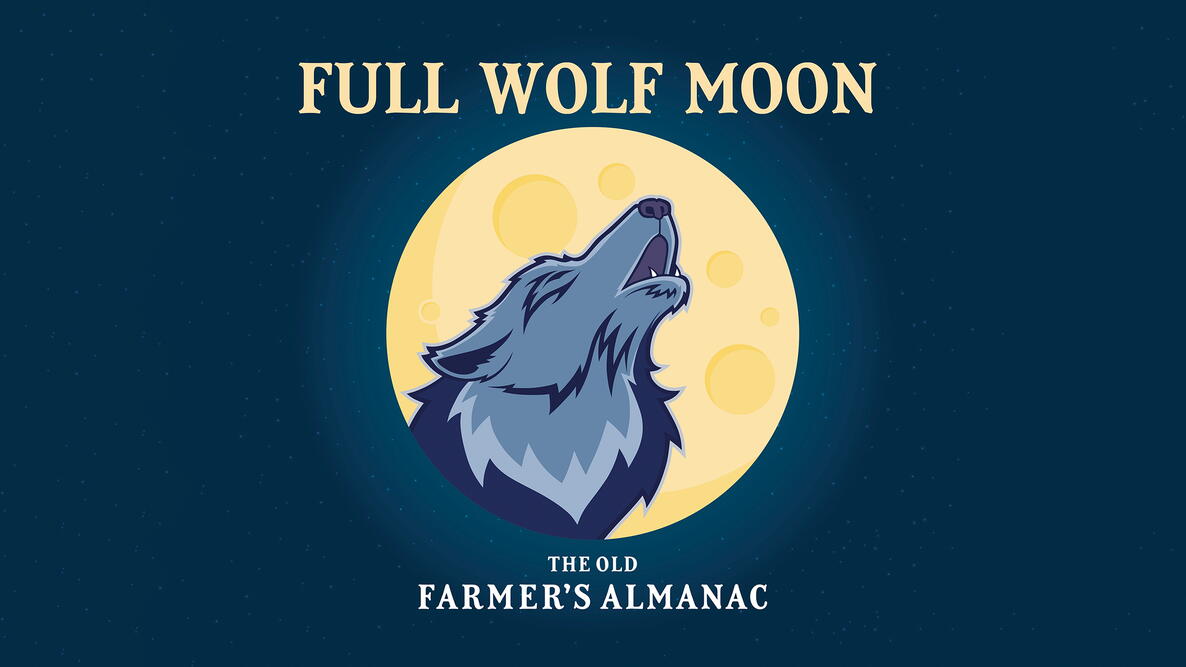
The first Full Moon of 2026 is also a Supermoon! This spectacular sight occurs on the night of Saturday, January 3. Why do we call January’s Moon a Wolf Moon? (It’s not because wolves are hungry.) What makes it a Supermoon? Find out what’s special about this month’s Moon—as well as folklore and best days by the Moon.
When to See January’s Full Moon
January’s Full Wolf Moon reaches peak illumination on Saturday, January 3, 2026, at 5:03 A.M. EST.
Because it is a Supermoon—occurring when the Moon is at perigee, its closest point to Earth—it will appear noticeably larger and brighter than a typical full Moon. Learn more about Supermoons.
At a Full Moon, the Moon is located on the opposite side of the Earth to the Sun, so the face of the Moon facing towards the Earth will be entirely illuminated by the Sun’s rays.
Look for the January Moon to rise from the eastern horizon around sunset that evening. By midnight, the Wolf Moon glows bright and round overhead. By sunrise, it will disappear into the western horizon.
Consult our Moonrise Calculator to see what time you can expect to catch a glimpse of the first Full Moon of 2026!
Look up at the Full Moon on the 3rd (or a day earlier or later)! What do you think?
The sunset embers smolder low,
The Moon climbs o’er the hill,
The peaks have caught the alpenglow,
The robin’s song is still.
–John L. Stoddard (1850–1931)
Why Is It Called the Full Wolf Moon?
The Full Moon names used by The Old Farmer’s Almanac come from a number of places, including Native American, Colonial American, and European sources. Traditionally, each Full Moon name was applied to the entire lunar month in which it occurred, not just to the Full Moon itself.
The Wolf Moon
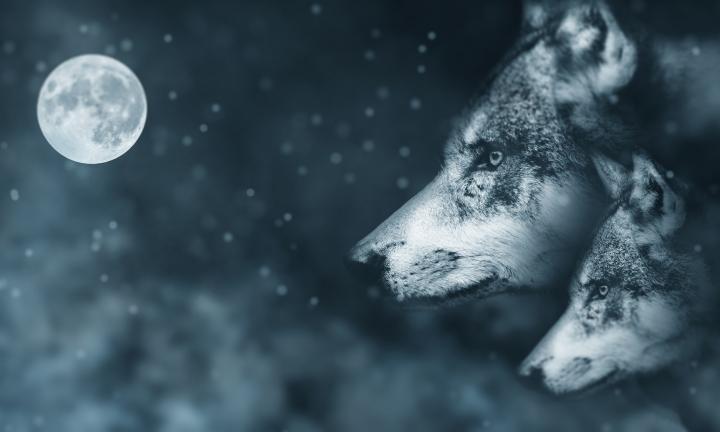
It’s thought that January’s Full Moon came to be known as the Wolf Moon because wolves were more likely to be heard howling at this time. It was traditionally believed that wolves howled due to hunger during winter, but we know today that isn’t accurate.
Howling and other wolf vocalizations are heard in the wintertime to locate pack members, reinforce social bonds, define territory, and coordinate hunting.
Alternative January Moon Names
Another fitting name for this Full Moon is the Center Moon. Used by the Assiniboine people of the Northern Great Plains, it refers to the idea that this Moon roughly marks the middle of the cold season.
Other traditional names for the January Moon emphasize the harsh coldness of the season: Cold Moon (Cree), Frost Exploding Moon (Cree), Freeze Up Moon (Algonquin), and Severe Moon (Dakota). Hard Moon (Dakota) highlights the phenomenon of the fallen snow developing a hard crust.
Canada Goose Moon (Tlingit), Great Moon (Cree), Greetings Moon (Western Abenaki), and Spirit Moon (Ojibwe) have also been recorded as Moon names for this month.
→ See all 12 months of Full Moon names and their meanings.
Moon Phases for January 2026

Below are the dates and times (in Eastern Time) of the Moon’s phases in January. See our Moon Phase Calendar for times in your city/state.
.png) | Full Moon: January 3, 5:03 A.M. |
.png) | Last Quarter: January 10, 10:48 A.M. |
.png) | New Moon: January 18, 2:52 P.M. |
.png) | First Quarter: January 25, 11:47 P.M. |
→ When is the next Full Moon? See our Full Moon Dates chart.
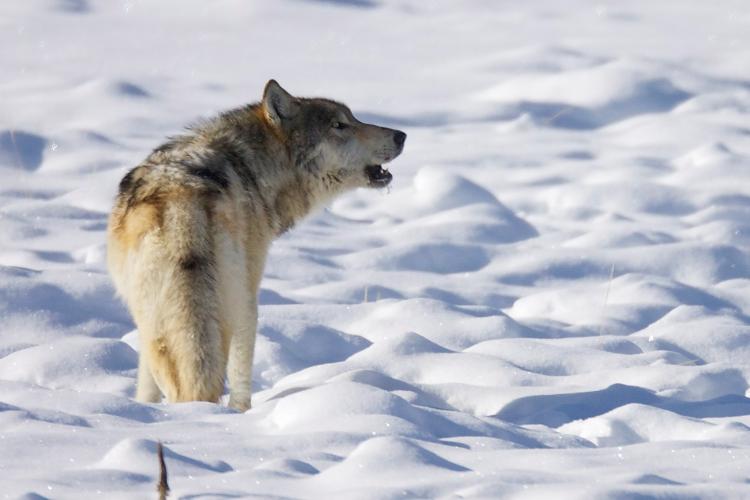
January Full Wolf Moon Video
Each month, we will explain the traditional names of the Full Moon along with some fascinating Moon facts. In this video, learn about January’s Full Wolf Moon. Click below to watch the video.
Best Days in January 2026
For Planting…
…Aboveground crops: 21, 22, 30, 31
…Belowground crops: 11-13
For Setting Eggs
1, 9, 10, 27-29
1-3, 18-31
→ See all our Best Days for various activities.
Moon Folklore
A bright first Moon promises rain and a bountiful harvest; a red-tinted Moon means a dry year.
A growing Moon and a flowing tide are lucky times to marry.
A halo around the Moon predicts wet or stormy weather.
Share your thoughts about this month’s Full Moons below. Tell us if we’re missing anything that you would like to know!

More Like This
Comments
- « Previous
- 1
- 2
- …
- 10
- Next »

If you live in North America, the full eclipse has not started yet. The Moon is up, yes, however the full lunar eclipse is at 11:41 pm EST/8:41 pm PST on Jan 20, 2019. The partial eclipse begins at Jan 20 at 10:34 pm EST.