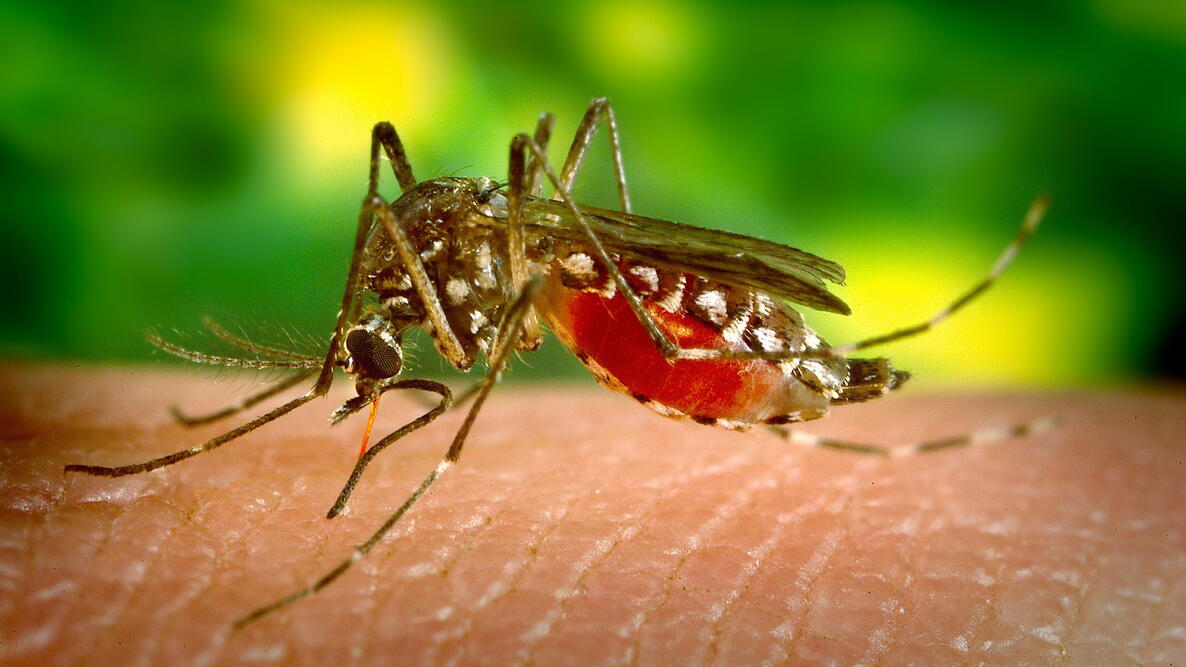
Caption
Only female mosquitoes suck blood, but they sure can leave a mark! Learn how to treat bug bites with home remedies.
Is it just us, or did the mosquitoes RSVP to every summer event this year? Whether you’re a magnet for bug bites or just tired of being the main course at dusk, we’ve got your back (and arms, legs, and ankles). From natural repellents that actually work to bite-soothing secrets your grandma swore by, here’s how to enjoy the outdoors without becoming a mosquito buffet.
Most of us don’t mind the pollinators, but the mosquitoes are another story. Keeping those little fiends away is not only a matter of comfort but can be a matter of disease prevention, such as avoiding the West Nile virus. (Keep in mind that dangerous infection from this virus is very rare, and those who get it usually have mild flu-like symptoms at worst.)
How to Avoid Mosquito Bites
- A higher body temperature and more sweat make you more likely to be bitten. Since sweat attracts mosquitoes, a first step is to wash off any sweat and take more showers. Second, keep your body temperature down or try to go outside in the morning before it gets too hot and humid.
- Place a barrier between the skin and mosquitoes. Wear loose, light-colored pants and long-sleeved shirts. If you are in a truly infested place, add a head net.
- Reduce the mosquito population in your yard. Eliminate mosquito breeding sites on your property. Mosquitoes need standing water to breed, so empty those puddles, old cans, buckets, and plant pots. If you have a pond, don’t worry—dragonflies love ponds, and they are a big mosquito predator. Just don’t hang around standing water too long yourself!
- Citronella candles are not proven to be effective; however, citronella smoke can repel mosquitoes.
- Add a bat house to your home! Did you know that one small brown bat can eat hundreds of mosquitoes in an hour?
- If you are camping outside, use mosquito netting around bedding. Spraying the netting with fabric-safe insect repellent is a good idea.
- Mosquitoes hate basil, lime basil, thyme, lemon eucalyptus, catnip, Monarda, and coriander. Crush their leaves and rub against your skin for a degree of added protection. Read more about plants that repel mosquitoes.
- Spray yourself with an effective, safe mosquito repellent. (See below.)
Natural Mosquito Repellents
- Catnip or catnip oil is more effective than DEET at repelling mosquitoes, according to at least some laboratory research.
- Oil of lemon eucalyptus (or PMD, a refined and concentrated version) can be very effective. Some repellents in the United States that contain this ingredient or a derivative include Repel with lemon eucalyptus and Off! Botanicals.
- Many claim that rubbing apple cider vinegar on your skin (diluted for skin sensitivities) helps to repel insects. If you take in enough apple cider vinegar by putting it on foods you eat, you may develop a body odor that will repel insects. One great and refreshing summer drink for this purpose is switchel, made from apple cider vinegar.
- Garlic oil rubbed onto the skin has at least some repellent effect. It should be diluted. Eating garlic has not been shown to be effective at repelling mosquitoes.
- Thyme essential oils have been found under lab conditions to repel mosquitoes as well as or better than DEET, and thyme volatiles lasted as long as DEET.
- Geraniol, which can be extracted from Monarda plants and others, is highly repellent to mosquitoes. Geraniol is also the active ingredient in some commercial natural mosquito repellents.
- Witch hazel is used in natural bug repellents, often mixed with other ingredients. See 4 homemade natural bug spray recipes!

A Word on Synthetic Repellents
- DEET has been around for well over 50 years, and the EPA claims it’s safe if used as directed. We prefer to avoid a potential neurotoxin, but if you do use DEET, know this: There’s no need in common uses to apply DEET in high concentrations. It should work to use no more than 25 percent DEET. Unlike the SPF rating in sunscreens, higher concentrations of DEET don’t mean more intense protection.
- Picaridin, a derivative of piperidine, a chemical related to a compound in black pepper, has been used in Europe and Australia since the late 1990s. In this country, Cutter Advanced was the first picaridin product to hit the market.
- Avon/IR-3535 is the active ingredient in Avon insect repellents (and some others as well). It can cause eye irritation if you spray it there by accident, but is otherwise considered very safe.
| Repellent | Natural or Synthetic | Effectiveness | Notes |
|---|---|---|---|
| Oil of Lemon Eucalyptus | Natural | High | One of the most effective plant-based repellents |
| Catnip Oil | Natural | Possibly High (studies) | Shown to repel mosquitoes effectively in studies |
| Garlic Oil | Natural | Moderate | Applied to skin, not eaten |
| Thyme Oil | Natural | Moderate to High | Long-lasting protection |
| Geraniol | Natural | Moderate | Found in some commercial repellents |
| DEET | Synthetic | High | Widely used repellent |
| Picaridin | Synthetic | High | Popular DEET alternative |
| IR3535 | Synthetic | Moderate | Often found in family-friendly products |
Best Way to Relieve Bites and Itching
- It helps to ice the area of the bite to constrict the capillaries near the skin’s surface and reduce swelling.
- If you are going to use a topical cream, you can likely do better than Caladryl and calamine lotions for mosquito bites; it’s better to apply a low-potency hydrocortisone and be patient.
- Remember: Do not scratch the bite; this will only make it worse.
- White vinegar is a remedy for relieving the itch of insect bites. Don’t use vinegar if the area is raw. See more household uses for vinegar.
- A paste of baking soda and water can provide much-needed relief for bug bites. Learn more about the countless household uses for baking soda.
- Oatmeal can also help to provide itch relief—not only for bug bites.
- Some people claim to have luck with high doses of vitamin B1 (such as 100 milligrams, two or three times a day), but it doesn’t work for everybody.
If you have an intense reaction to mosquito bites, consult your doctor.
FAQs
Why are mosquitoes attracted to some people more than others?
Mosquitoes are attracted by body heat, carbon dioxide, sweat, and certain body odors. Some people naturally produce scents that are more attractive to mosquitoes.
Do all mosquitoes bite?
No. Only female mosquitoes bite because they need protein from blood to help develop their eggs. Male mosquitoes feed on nectar.
What is the most effective natural mosquito repellent?
Oil of lemon eucalyptus is often considered one of the most effective natural mosquito repellents.
Why do mosquito bites itch?
Mosquito saliva triggers an immune response that releases histamine, causing swelling and itching.
How can I reduce mosquitoes in my yard?
Remove standing water, maintain gutters, empty containers regularly, and encourage mosquito predators such as bats and dragonflies.
Do citronella candles work?
Citronella candles may offer limited protection nearby, but they are generally less effective than topical repellents.
How do you best repel mosquitoes? Do you have any great bug-bite solutions? We welcome your comments below so we can all learn together.

More Like This



- « Previous
- 1
- 2
- …
- 10
- Next »

Comments