Smile, it’s July! Which five holidays are coming up? What’s the summer weather forecast? What’s going on in the garden this month? How about some seasonal recipes? Enjoy our seasonal advice for July.
The Month of July
July is named after Roman dictator Julius Caesar (100 B.C.–44 B.C.). Caesar developed the precursor to the Gregorian calendar we use today. Find out the origin of each month’s name.
July Calendar
- July 1 is Canada Day, a Canadian federal holiday that celebrates the creation of the Dominion of Canada in 1867.
- July 3 brings the start of the hot and sultry Dog Days of Summer! Read all about the Dog Days of Summer.
- July 4 is Independence Day (U.S.). On the fourth of July, we celebrate the adoption of the Declaration of Independence in 1776. Don’t forget to raise the flag! (See American Flag Rules.) See our full Independence Day page and enjoy trivia—plus, refresh your memory on the real meaning of this day.
- July 14 is Bastille Day, which commemorates the storming of the Bastille and the start of the French Revolution.
“Just for Fun” Days
- July 11: International Town Criers Day
- July 15: National Hot Dog Day
- July 22: Spooner’s Day
- July 23: National Day of the Cowboy
- July 27: Take Your Houseplants for a Walk Day
- July 30: National Cheesecake Day
Want to see more holidays? Learn if TODAY is a holiday!

July Astronomy
The Buck Moon
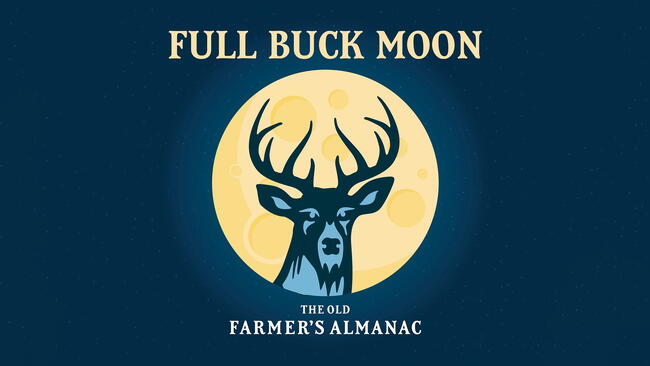
July’s full Moon, the Full Buck Moon, occurs on Wednesday, July 29. It reaches peak illumination at 10:36 A.M. (EDT). Find out why it’s called the Buck Moon!
July’s Moon Phases
Last Quarter: July 7, 3:29 P.M. EDT
New Moon: July 14, 5:43 A.M. EDT
First Quarter: July 21, 7:05 A.M. EDT
Full Moon: July 29, 10:36 A.M. EDT
Another highlight of the July sky is the “Summer Triangle.” See our free, printable Star Chart for July to learn about the three “stars of summer.”
July Gardening
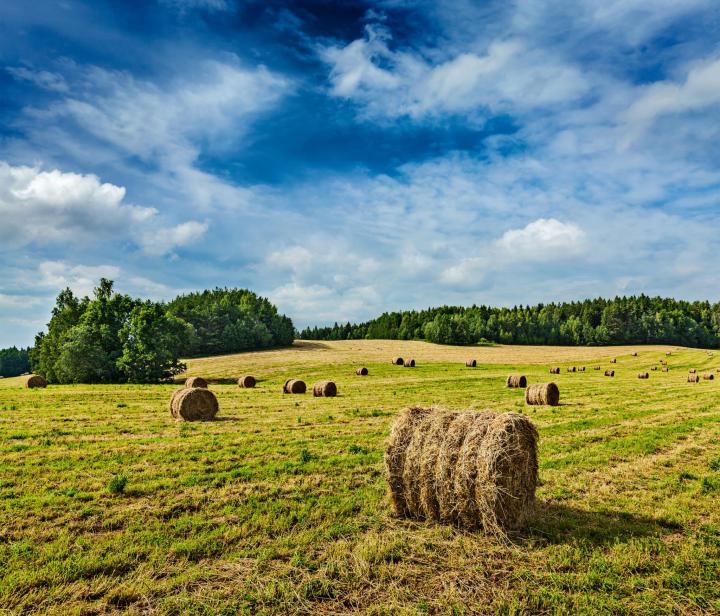
- Deadhead your flowers, removing faded blooms from your spring perennial flowers such as peonies, bearded iris, and Asiatic lilies. See 4 reasons to deadhead flowers.
- Harvest daily, as vegetables always taste better when young and tender. See when to harvest fruit and vegetables for the best flavor.
- Stay on top of pests with daily walks of your garden. See our library of pests and diseases.
- Mulch, mulch, mulch! Retain moisture and suppress weeds with mulch. See how to mulch your garden and the types of mulch.
- Look at your gardens; see that you destroy all kinds of weeds before they go to seed. See 13 most common weeds.
- Are your crops starting to take over your kitchen? Check out some of our storage tips for fruits, vegetables, and herbs.
See our Garden Tips for July for a full list of tasks to keep you busy in the garden!

Recipes for the Season
Here are a few of our favorite summertime recipes:
See our tips on how to grill vegetables.
Visit the garden-fresh Summer Recipes collection for great meal ideas using fresh, seasonal ingredients.
Everyday Advice
Warm weather allows us to get outside and complete some annual household duties.
Do you have some painting to do? Learn how to choose and use the right paintbrush for the job.
Many folks sell their house in the summer. Check out our tips on a speedy house sale.
Folklore for the Season
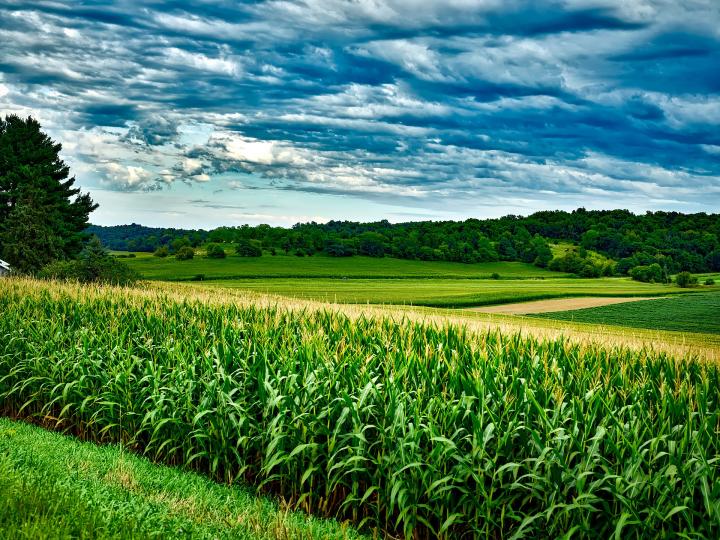
- Ne’er trust a July sky.
- If ant hills are high in July, the coming winter will be hard.
- As July, so next January.
- No tempest, good July,
Lest the corn look ruely. - Whatever July and August do not boil,
September can not fry.
July Birth Flower
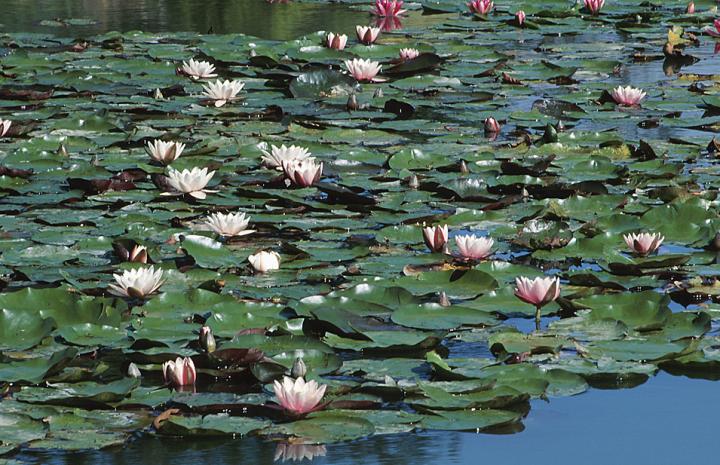
July’s birth flowers are the larkspur and water lily.
The Larkspur, especially white forms, generally indicates lightheartedness; pink, fickleness; purple, first love.
The water lily symbolizes purity of heart.
July Birthstone
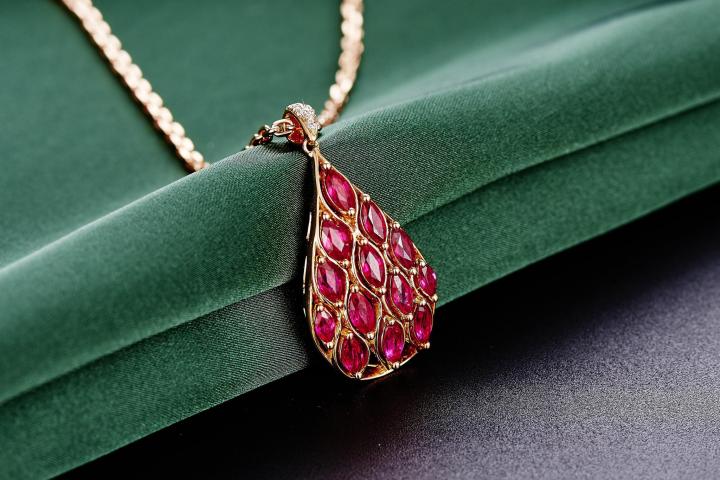
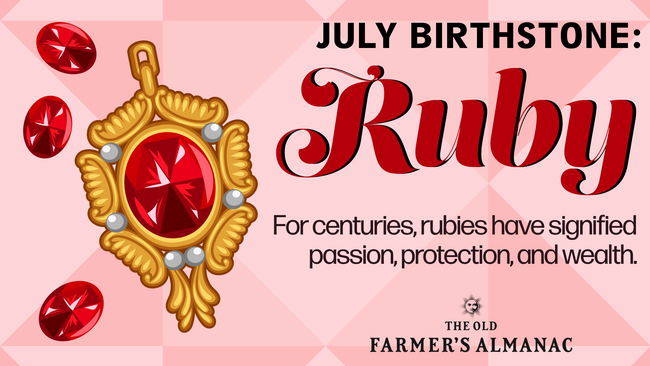
The July birthstone is the ruby, which is believed to protect its wearer from evil.
- “Ruby” is derived from the Latin rubeus, which means “red.”
- This gem is a red form of corundum; all other colors are sapphires. The ruby’s color is due to the presence of chromium, which also makes the gem subject to cracks. High-quality rubies are transparent, vibrant, purplish red; cloudier samples, or ones containing brown, orange, or pink tones, are less valuable. Many rubies nowadays are heat-treated to improve color saturation and transparency.
- The ruby, along with the related sapphire, is the second hardest natural gemstone, with only the diamond being harder.
- The gem was once thought to protect warriors if worn on their armor or embedded in their skin.
- Considered the king of gems, the ruby symbolizes love, passion, energy, and success.
Find out more about July’s birthstone.
July Zodiac & Astrology
July’s zodiac signs are Cancer (June 21 to July 22) and Leo (July 23 to August 22).

More Like This
Comments

Hi, James, We're happy to hear you enjoy our Web site. We continue to publish our little yellow book, too! Here's where you can find it online: http://www.almanac.com/store/almanacs
Our popular annual reference guide is what keeps us going and keeps the Web site "free."