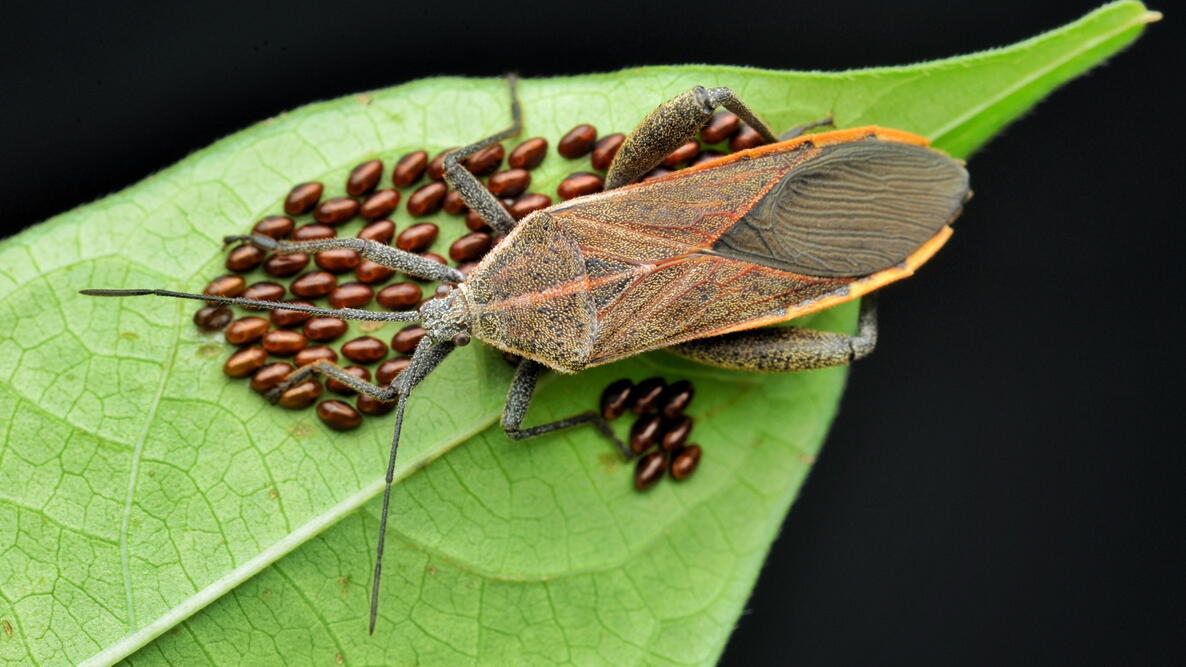
Control and Prevention
How to Get Rid of Squash Bugs
- Early detection is critical! You want to catch squash bugs before they grow into adults, or they become very difficult to get rid of completely.
- Pick bugs off the plant early. Fill a bucket with water and liquid dish soap and flick bugs into soapy water. Once the bugs are dead, it’s fine to dump the water anywhere.
- Pick egg masses off the plants in the morning and later in the day. You can also simply scrape the eggs off the leaves with a butter knife and let them fall onto the ground, where beetles will eat them. Eggs hatch in about 10 days, so be sure to check for them on at least a weekly basis.
- Place a board or shingle in the garden at night (or pieces of newspaper). During the night, both adults and nymphs will congregate underneath the board. Squash between two hard surfaces in the morning and dispose of them.
- Keep checking your plants at least daily. If there are no more than a few vines infected, keep collecting and destroying the bugs and crushing the egg clusters that you find on the undersides of leaves.
- Remove plant debris during the growing season to reduce sites where squash bugs can hide.
Using pesticides
Insecticides are not effective in managing squash bugs once they are adults, so don’t bother trying.
In the event that you catch the squash wilting very early in the season and you catch this when eggs are hatching, then insecticide application is probably needed to manage it. See your local garden center or cooperative extension service for controls that are locally approved. The best time to apply pesticides is early morning or late at night (during minimum bee activity). Be sure to spray underneath the leaves, where most squash bugs are found.
It is not necessary to treat squash bugs found in the garden during late summer or fall.

How to Prevent Squash Bugs
- Prevention is key: In the fall, burn or compost old squash vines to rid your garden of any possible shelters for breeding and overwintering.
- Avoid thick layers of mulches like straw or hay that provide an environment that these bugs seem to love.
- Practice crop rotation.
- Consider keeping squash plants covered until blossoming begins. Remove the cover for pollination needs. There is typically only one generation of squash bugs per year, and you can avoid them by covering your plants for the first month of spring. You can also delay planting your squash until the early months of summer.
- Companion planting can be useful in repelling squash bugs. Try planting nasturtium and tansy around your plants that are commonly affected by squash bugs.
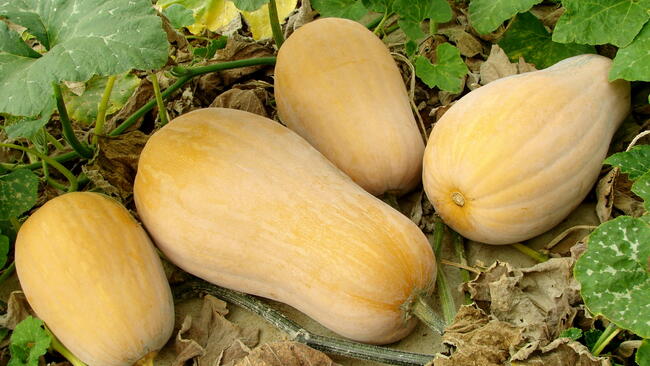
- Select varieties of squash that are resistant to the squash bug if you have a big problem. ‘Butternut’, ‘Royal Acorn’, and ‘Sweet Cheese’ varieties are all more resistant to squash bugs.
- Clean up cucurbits and other plant matter in the fall to reduce the number of overwintering sites.

More Like This
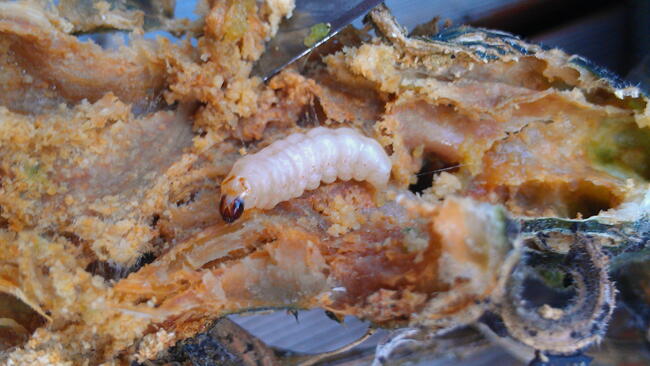

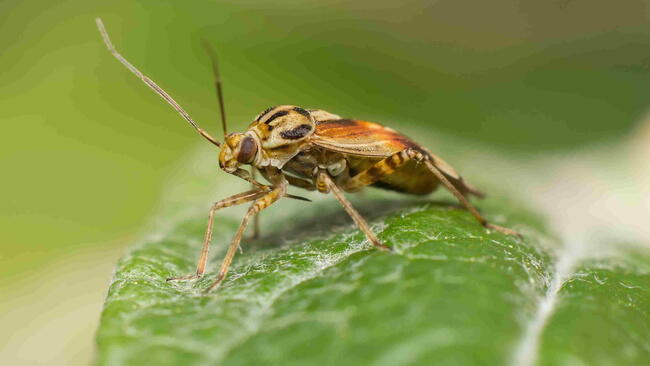

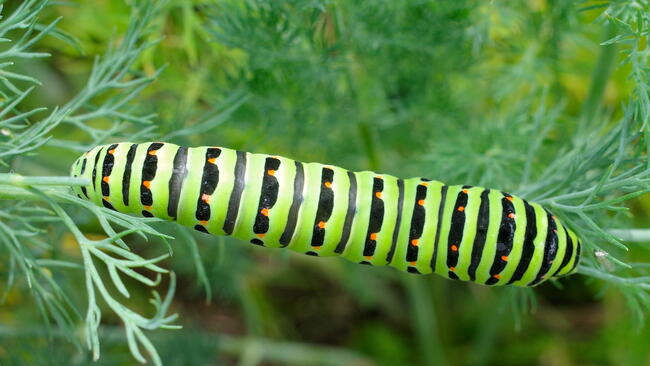

It's unusual for squash bugs to attack tomatoes, preferring cucurbits such as squash and cucumbers. A similar-looking bug called the stink bug (aka shield bug), does attack tomatoes, but they tend to focus on sucking the juices from the fruit. The leaf-footed bug does similar damage. You might want to bring a bug to your local Cooperative Extension or a garden nursery horticulturist to ID it.
For control of squash bugs on tomatoes (and other true bugs such as stink bugs), it would be about the same as mentioned above for squash: handpick; use rowcovers; remove any eggs that you see under the leaves; place boards around your tomatoes and look under them in the morning, and destroy any pests there; sprinkle diatomaceous earth around the base of your tomatoes, to work as a barrier; remove weeds around the area; and remove mulch at season's end, to get rid of hiding places for overwintering adults. For more information about squash bugs, see:
http://www.vegedge.umn.edu/VEGPEST/CUCS/squabug.htm
Defoliation of tomatoes is often caused by caterpillars--check if you can find any hiding among the leaves, such as the large tomato hornworm. Beetles (such as the Colorado potato beetle) and whiteflies can also harm leaves. Diseases can also cause leaves to drop.
For a list of common tomato pests, including the stink bug, see:
http://extension.umd.edu/learn/insect-pests-tomato
Sometimes, the odorous squash bug will overwinter indoors and are a real nuisance. Avoid squishing them as they will smell and stain. The best you can do is to try to identify where they are entering. Seal all windows and building cracks; caulk all incoming pipes and wires. And, as you said, spray the exterior of your home with a pesticide (not inside). Do this in the fall. You'll need to ask your local cooperative extension for an insecticide that's approved in your area.
A six week life cycle is the average so you may have two generations of squash bugs before harvest in the fall. Squash bugs start laying eggs when your plants are young in early summer. Eggs hatch after about two weeks and the nymphs feed for about a month before becoming adults. The adult females continue to lay eggs during this time
- « Previous
- 1
- 2
- …
- 10
- Next »

Comments