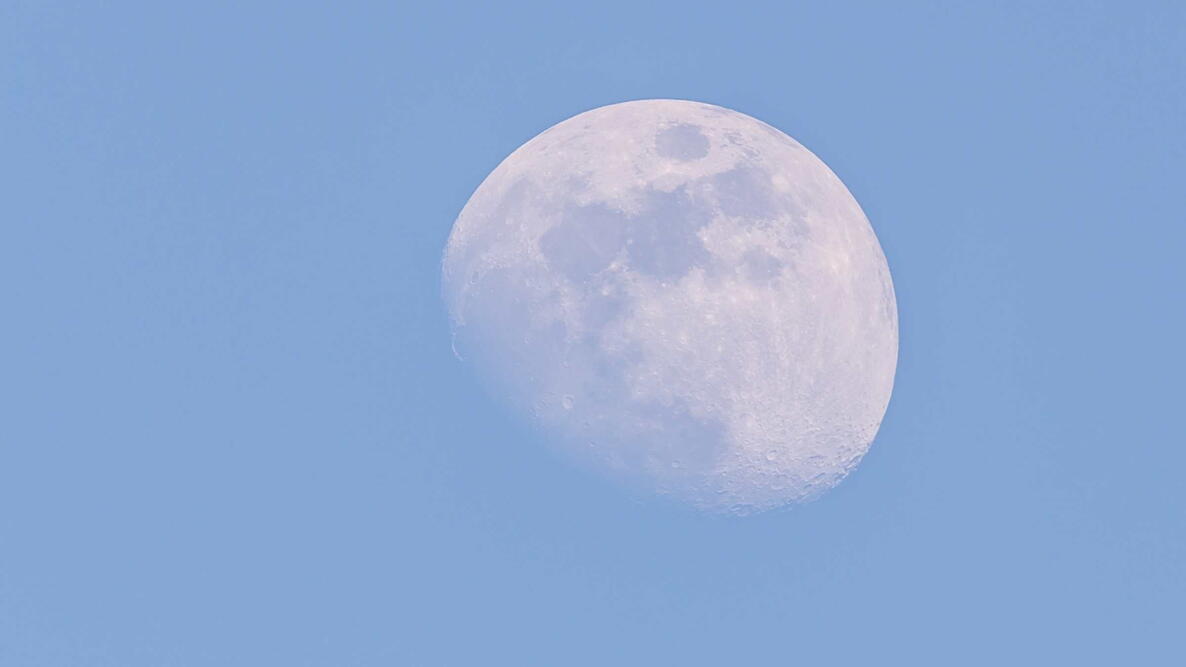
Have you ever wondered what time the Moon will rise? Unlike the Sun, the Moon rises at varying times of the day and night! Enjoy our lunar puzzle and our fun Moon poem to know when the Moon will rise! Plus, find out why we can see the Moon during the day.
What Is the Definition of Moonrise?
Moonrise is defined as the moment when the upper edge of the Moon’s disk touches the horizon.
Finding Moonrise Times
- Moonrise (and, incidentally, the time of high tide) occurs about 50 minutes later each day than the day before.
- To determine the moonrise time for each day of the month, add 50 minutes each day after a phase or subtract 50 minutes each day before a new phase.
- In following the chart below, care must be taken when using the terms Moon and midnight. These are affected by adjustments for daylight saving time and, to a lesser degree, by one’s longitude in a particular time zone. (Sunrise and sunset are definitive times regardless of people tampering with the clock.)
Moonrise Chart
Folks who enjoy the outdoors and the wonders of nature may wish to commit to memorizing the words on our handy chart below.
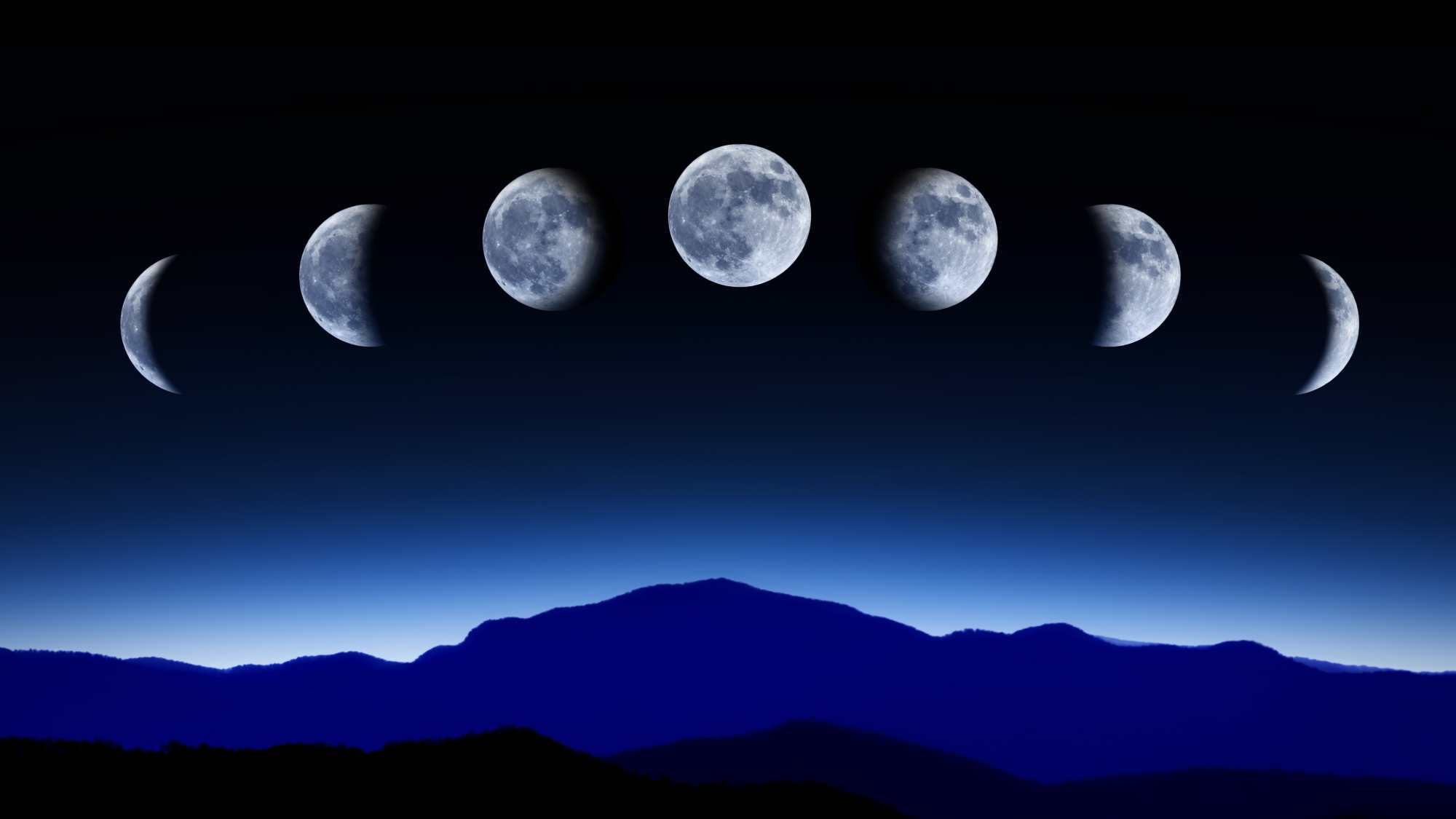
.png) | The New Moon always rises near sunrise. |
.png) | The First Quarter Moon always rises near noon. |
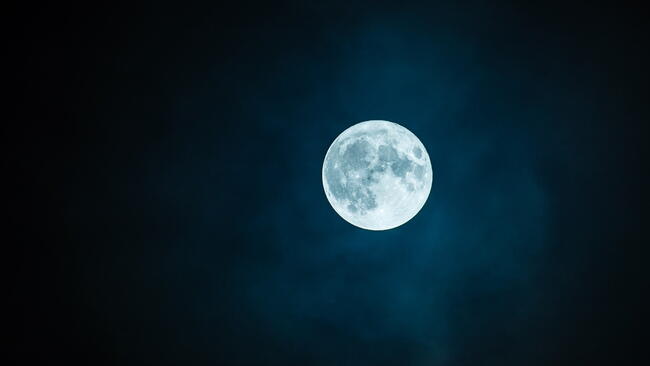
.png) | The Full Moon always rises near sunset. |
.png) | The Last Quarter Moon always rises near midnight. |
Moonrise Calculator
Of course, you can always check the Almanac’s Moonrise Calculator for the exact times in your zip code!
Why Is the New Moon Invisible?
The New Moon is invisible because it is approximately between Earth and the Sun, so the dark half of the Moon faces us, and the sunlit half faces the Sun. (Sometimes, the New Moon is directly in front of the Sun, in which case we would see a solar eclipse.)
One or two days after the date of the New Moon, we can see the Moon in the western sky as a thin crescent setting just after sunset.
Why Can We See the Moon During the Day?
Have you ever seen the Moon during the day? Like the stars and planets, the Moon is not simply a nighttime object. It’s there during the daytime too.
One reason we can’t typically see the Moon during the day is because the Sun is so bright!
Another reason is that it depends on which phase it is in. As the Moon and Earth orbit, the Moon is only visible above the horizon roughly 12 hours out of every 24 hours. However, those 12 hours may not coincide with daylight hours, so for any chance of observing, there is only a tiny 6-hour timeframe.
The best Moon phases for seeing the Moon during daylight are the First and Last Quarters, when the Moon is 90 degrees away from the Sun in the sky. Near the New Moon, it’s too close to the Sun to be visible, and when it is near the full Moon, it is only visible at night after the Sun sets.
More Facts About the Moon
Are you a little confused about some of this Moon terminology? Check out our glossary of lunar terms.
Why does the Moon sometimes look so big when it’s rising? Find out!
Find out your area’s moonrise and moonset times and your sunrise and sunset times.


Comments