
Identification
How to Identify Whiteflies
Like aphids, whiteflies use their piercing mouthparts to suck up plant juices and, in turn, produce a sticky substance known as honeydew, which, left on its own, can cause fungal diseases—such as sooty mold—to form on leaves.
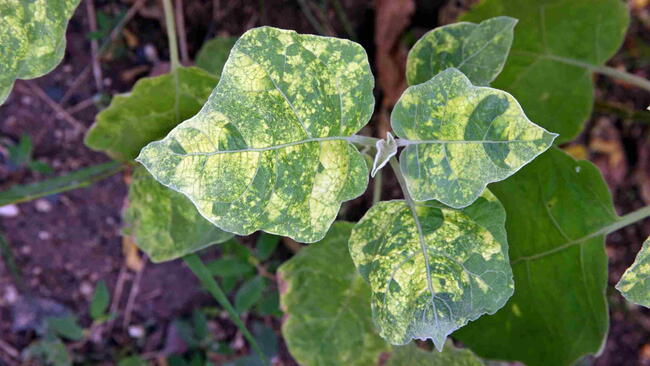
With heavy whitefly feeding, plants quickly become extremely weak and may be unable to carry out photosynthesis. Leaves wilt and turn pale or yellow, growth is stunted, and eventually, leaves may shrivel and drop off the plant.
Honeydew is a sign that the whiteflies have been feeding for several days. You might also see ants, which are attracted to the sweet honeydew.
Where to Find Whiteflies on Plants
Whiteflies tend to prefer to feed on new growth, so check around any newly unfurled leaves first.
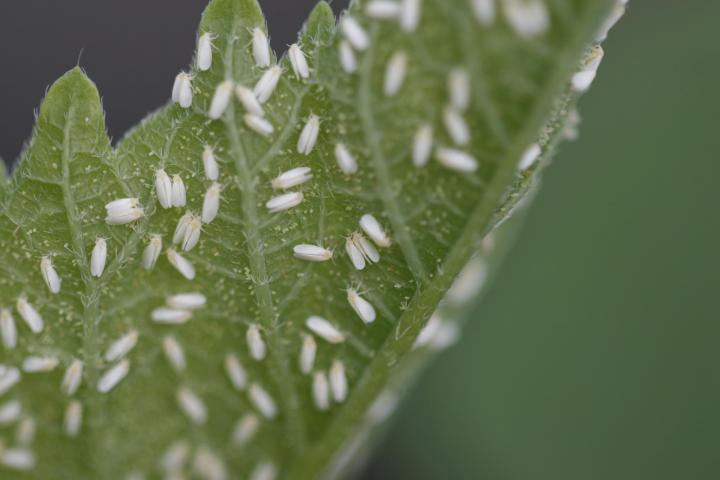
Check the undersides of leaves—especially around the veins—for white insects, even if they aren’t immediately visible, and feel leaf surfaces for sticky honeydew. If the whiteflies are feeding, they’ll suddenly all fly off the leaves in a swarm, so it’s very obvious.
You may also find eggs laid on the undersides of leaves. This is the beginning of a new generation! When the eggs hatch, the larvae look like teeny white ovals without legs; they don’t move but immediately start sucking the plant juice. This is why gardeners often miss whiteflies until it’s too late. Adult females can produce up to 400 eggs, which hatch about 1 week to 1 month after laying. They are usually laid in a circular pattern. Eggs are pale yellow when newly laid and brown when about to hatch.

More Like This
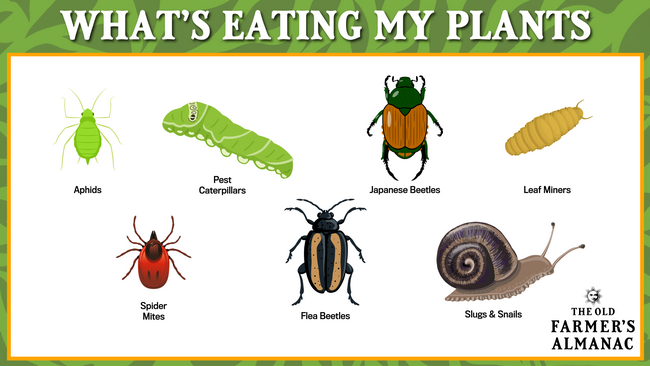

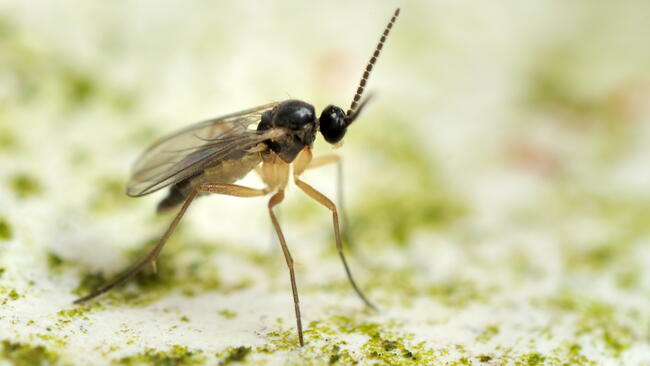

Well, the first thought we have is to inquire of the source you had a year ago. The National Gardening Association has this advice: Whitefly is one of gardenings most difficult pests to control. The little fly-like insects with white wings hang out on the undersides of leaves where they multiply rapidly in warm weather. Whiteflies damage leaves and suck sap from the plant; if the infestation is severe, this can lead to death in young plants and decline in older ones. Persistence is the key to control. I have had good luck controlling these pests by spraying them with a mixture of dishwashing liquid, such as Palmolive with lemon, and water. A good squirt of soap to a gallon of water should do the trick. Place the mixture in spray bottle and spray leaves, both sides well, at least twice a week when the flies are active. You may need to continue this treatment for many weeks. Spray on an overcast day, in the very early morning or late afternoon to avoid damage from the sun. Also worth a try: Yellow sticky tape placed near plants -- Yellow colored traps that attract insects with their color and snare them with a sticky substance. Release Encarsia Formosa, a tiny parasitic wasp which will eat them. Available from some nurseries and seed companies. Pyrethrin spray -- an organic pesticide made from chrysanthemums. Encourage Hummingbirds. They love to dine on whiteflies. Hang feeders and keep them clean and full of simple syrup (a mixture made from 1 part sugar dissolved in 4 parts hot water). Plant flowers they adore, those with tubular flowers such as fuchsia, foxglove, salvias, bee balm. Good luck!
Angela, such a delicate plant ... If there are many bugs as you suggest, there may be no saviing it. Showering it will probably not help. It's a Mediterranean/rock garden plant outdoors, and an annual typically in cold winter areas. It may have become too wet.
You might try setting up yellow sticky traps (found in garden centers), away from children or pets. These are usually used more for monitoring than control, but in an indoor environment, including a greenhouse, it can be more effective to control the adults, which are attracted to the color and get stuck. Also, if you have any houseplants that are infested with whiteflies, be sure to check the leaves regularly, and remove any older leaves that are severely infested with the larvae and pupae. Look for tiny oval eggs on leaf undersides. Wingless nymphs look sort of like pale scale insects, flattened and oval, and do not move after the first instar. Keep handpicking and controlling with the traps, and you might be able to overcome a mild infestation. Make sure that the insects are not easily coming in from the outside, or coming in on infected plants taken in from outdoors.
- « Previous
- 1
- 2
- …
- 10
- Next »

Comments