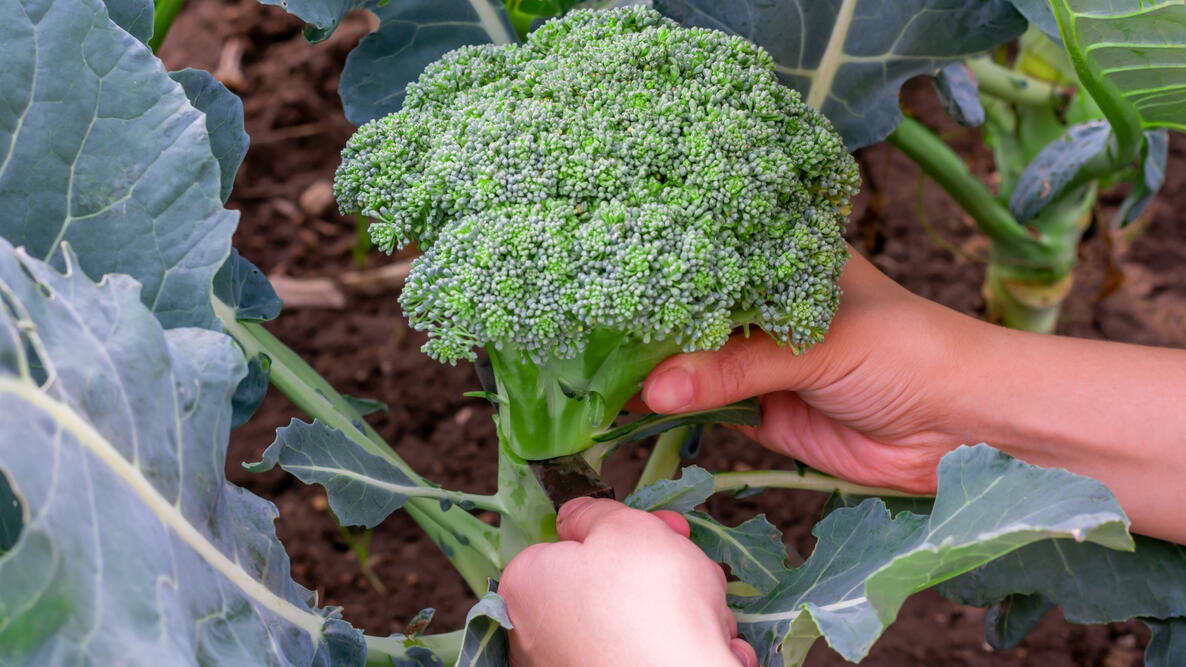

Here’s how to freeze fresh broccoli, including how to trim fresh broccoli plants in the garden, whether you need to blanch the florets, and how to cut them up to freeze for yummy recipes from quiches to soups and more!
Broccoli (Brassica oleracea) has many followers and also abundant detractors. For those who have only tasted the supermarket variety, I can surely understand the lack of enthusiasm expressed when this topic is raised.
However, for those of us who garden, broccoli is terrifically tasty as well as a trouper in the veggie patch. Learn how to plant, grow, and harvest broccoli.
If you have more broccoli than you can eat, freezing is a simple, easy, and convenient way to preserve vegetables. Freezing also preserves nutrients and saves money.
This sturdy plant begins by giving us a large head that needs to be trimmed and eaten before it becomes a flower. Choose young, tender vegetables to freeze.
Trim Broccoli in the Garden at an Angle
When you’re ready to harvest your broccoli, it’s important to slice the stem at an angle. This allows any subsequent rain or watering to slide harmlessly down the side. If it is trimmed flat, water can pool on top and begin to rot in the center, thereby ruining the future crops that the plant is waiting to deliver. Use a sharp knife or garden shears to cut off the stem at a slight angle, leaving about 2 to 3 inches of stalk beneath the crown.
Several days later, you can return to the plant to see two slightly smaller heads peeking up at you. Slice these off (again on an angle), and in another few days, there will be four even smaller heads to harvest. This process continues—with the heads getting tinier and tinier—until well after the first few frosts.
.jpg)
Wash and Cut Broccoli into Large Pieces
Before freezing my broccoli, I start by washing the stalks and shoots thoroughly in cold water so they’re clean. Then I cut into large pieces.

Blanch Broccoli
I steam-blanch my broccoli. Blanching is important for frozen vegetables to preserve flavor, nutrients, and texture. I place the florets in the top of a steamer and steam them for 5 minutes. I often use tongs to move the large stems around so that all of them get some heat.
If you have a steamer basket, you can suspend it in the steamer above several inches of rapidly boiling water and cover.
Cool and Drain Broccoli
I use my salad spinner next. I fill the base with cold water and add a bunch of ice. I place the basket on top of the ice and then slip the steamed broccoli into the basket to cool it down. It’s important to cool vegetables rapidly in ice water to prevent them from cooking further.
.jpg)
Next, I empty the water and ice from the base, removing the basket with the florets first. After that, I replace the basket in the base and spin the florets to remove the extra water (you may need to spin several times).

Pack and Freeze Broccoli
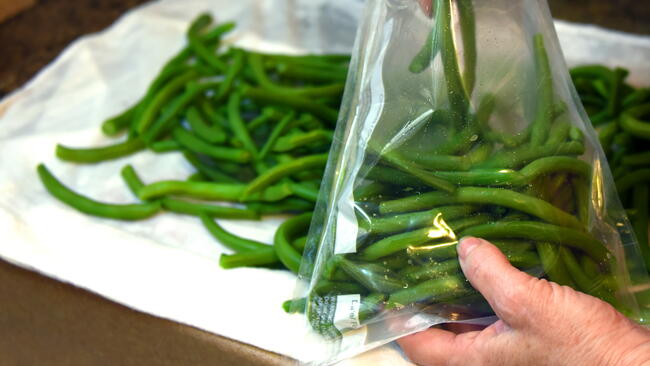
Gently place the cooled florets in plastic freezer bags, packing them tightly to save space. Squeeze air from bags before sealing. Here’s a photo of two bags of large broccoli for us, one for company and one for a stir-fry. When you’re ready to use the florets, they can be cooked without thawing, but cook in ½ cup or less of water per pint package to maintain nutrients.

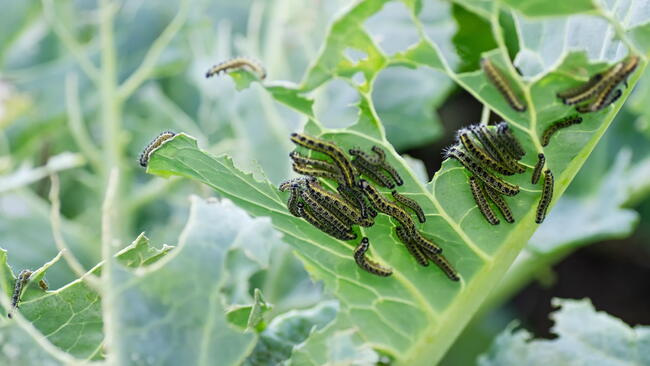
I always plant marigolds right in the beds with all of the brassicas (broccoli’s family). This greatly helps to keep the cabbage moths away. I didn’t find a single small, green worm when I harvested this broccoli. Otherwise, these worms can make a mess of the crop and render it unappetizing.
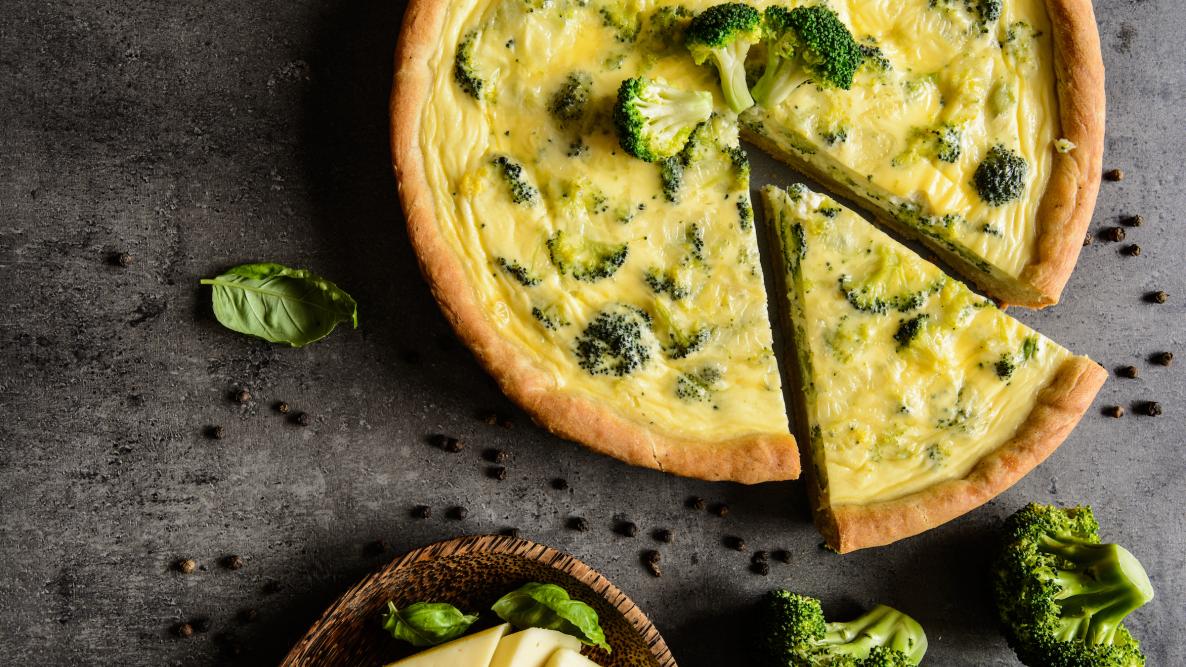
My cut broccoli will be taken out of the freezer and made into broccoli over toast with a cheesy sauce or added to baked chicken or pot roast. Some of it will be cut slightly smaller so that it can be added to chicken or steak stir-fries. The very small heads that come later will be used in quiches.
Recipes With Frozen Broccoli
Here are a few delicious recipes that work well with frozen broccoli:




Comments