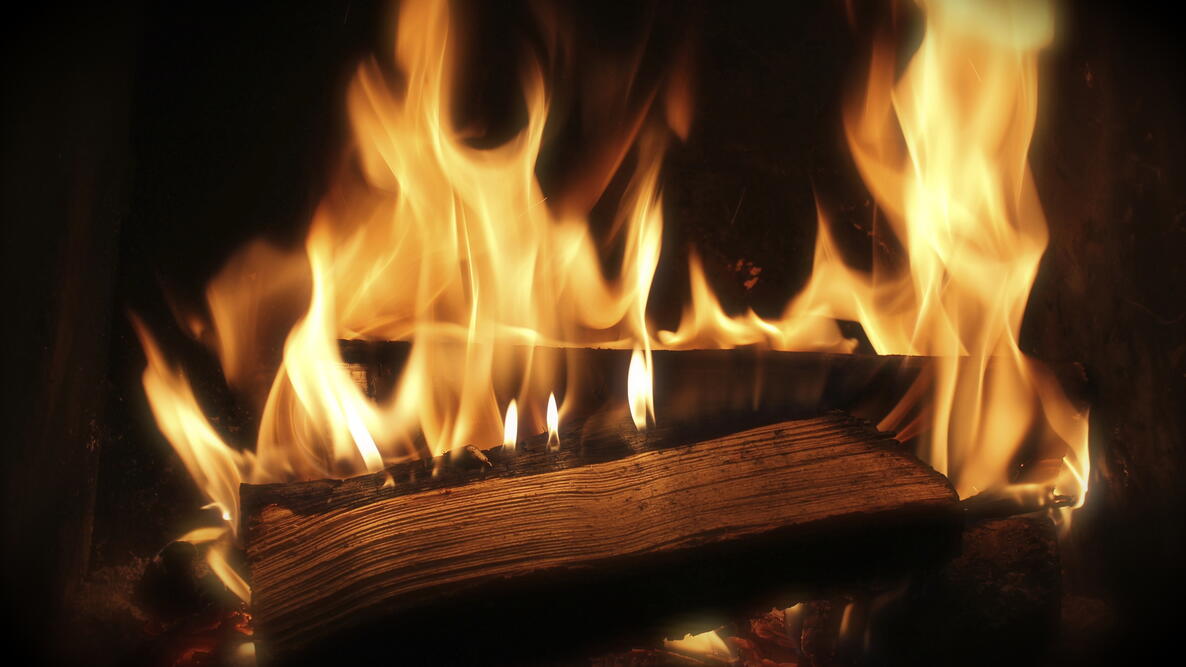
If you burn firewood, you have wood ashes. Don’t throw them out! There are many surprising ways to use ashes around the home and garden. Here are five practical ideas.
Each cord of firewood you burn will leave you with about 20 pounds of ashes or more, depending on your fuel source, heating appliance, and wood-burning skill.
Instead of putting them out with the trash, use your ashes in and around your home and garden!
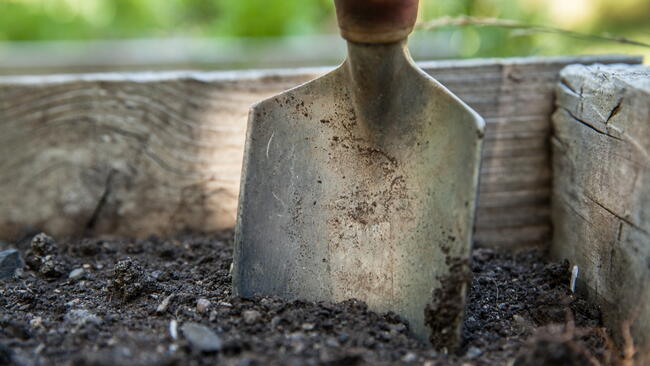
1. Amending Lawn and Garden Soil
Wood ash is a readily available source of potassium, calcium, and magnesium, which are essential for plant health. It’s a common way to increase your soil pH.
However, it is very important to know when to use wood ash and when NOT to use wood ash.
The answer to that question comes down to: What is your soil pH? Get a free soil test. (See how to take a soil test.) Soils in the pH range of 6.0 to 7.0 is optimal for most lawns and garden plants. Note: Select plants prefer a soil with a lower pH (acidic) and certain plants grow better in soil with a higher pH (alkaline).
When to Add Wood Ash
Add if your soil pH is too low (falling below 6.5). This reduces magnesium and calcium availability. For example, tomato blossom end rot is caused by a lack of calcium in the soil.
When Not to Add Wood Ash
Do not add wood ash if your soil is already alkaline, with a pH greater than 7.0. In alkaline soil, wood ash will hurt your plants and even kill them. Many plants can not take up nutrients if the soil pH gets too high. Trees will have yellow leaves (chlorosis), and some vegetables and fruit trees will also suffer. Elemental sulfur is used to lower soil pH.
If your soil is already in the optimal range (6.0 to 7.0), you do not want to mess with the pH.
Don’t apply ashes around acid-loving plants such as blueberries, rhododendrons, azaleas, and holly since wood ash will raise the pH and make the soil less desirable to those plants.
How to Use Wood Ash in the Garden
Wood ash is similar to lime (ground limestone or calcium carbonate), which also increases soil pH. However, unlike limestone, which can take 6 months or more to change soil pH, wood ash is water-soluble and changes the soil pH rapidly. Apply roughly twice as much ash by weight as the recommendation for limestone.
Soils already in the optimal pH range of 6.0 to 7.0 can handle 20 pounds, or one 5-gallon pail, of hardwood ashes per 1,000 square feet annually without raising the pH unduly. Do not apply more than 20 pounds, as high rates of wood ashes may cause short-term salt injury. Be careful when adding wood ash to your garden.
Wear eye protection, gloves, and a dust mask, and broadcast the ashes evenly on a dry, windless day. Mix them into the soil thoroughly before planting. Hose off any ashes that settle on actively growing plants to prevent burning the foliage.
More Ways to Use Wood Ash
Our ancestors learned to make lye, a caustic cleaning agent, at least 5,000 years ago by running water through wood ash, eventually learning to combine it with animal fats and water to make soap. Early Americans used ashes or homemade lye water for scrubbing wood floors, laundering clothes and bed linens, and soaking fresh-killed hogs to help remove the hair. For centuries, potters and ceramicists have used wood ashes to create beautiful glazes. Take a look.
Here are a few more suggestions for modern use:
2. Repel Slugs
Wood ashes sprinkled lightly around susceptible plants irritate slugs’ moist bodies and repel them. The repellent effect disappears after rain or irrigation dissolves the ashes. See other ways to deter slugs.
3. Melt Ice and Provide Winter Traction
When spread on walks and driveways, wood ashes will melt ice and provide traction. They don’t work quite as well as salt, and they can be messy if you don’t take steps to prevent the ashes from getting tracked into the house. But they’re free, and they won’t damage animal paws or paved surfaces.
4. Reduce or Remove Oil Stains
As a desiccant, wood ashes are very good at pulling liquids from other materials, including hard-to-clean surfaces such as asphalt, stone, and cement. Sprinkle wood ashes on the stain, and they will absorb any surface liquids. For tougher stains, sprinkle on wood ashes and then use an old rag to scrub the stain.
5. Clean Glass and Metal
It may be hard to believe, but hardwood ashes make fast work of grease, grime, and tarnish on glass, silverware, ovenware, grills, and glass stovetops, as well as gummy residues left by stickers and labels.
Dip a damp cloth in wood ashes or make a thick paste of ashes and a little water, scrub lightly with a cotton cloth, and rinse away with plain water and another cloth. Wear gloves for these scrubbing tasks to avoid caustic burns.
Be Safe!
As with all aspects of wood heating, use vigilance and common sense in handling and managing the ashes. Store them in a covered metal container set on dirt or concrete a few feet in all directions from any combustible surface.
Even though the ashes may appear cold, buried embers may remain live for days, even weeks.
Do you know any other uses for wood ashes? Let us know in the comments!
Margaret Boyles is a longtime contributor to The Old Farmer’s Almanac. She wrote for UNH Cooperative Extension, managed NH Outside, and contributes to various media covering environmental and human health issues.
Hello,
After extracting lye from wood Ash, what can I use the remenants for.
Reply to comment
<span>Peggy</span>Wed, 08/19/2020 - 10:51
Would using wood ashes around poison ivy kill or deter poison ivy growth? I am seeing some positive results around the edges of my lawn!
Reply to comment
<span>Joan Hart</span>Tue, 03/31/2020 - 06:59
I am wanting so cover a bit of the garden in small gravel ... No planting needed as use of tubs planned. Has anyone used wood ash as a layer on ground before covering say with cardboard or black mesh to suppress weeds growing through our does it turn very dense like clay and not let water through creating an issue ? Any info welcomed thanks
Reply to comment
<a title="View user profile." href="/author/margaret-boyles">Margaret Boyles</a>Tue, 03/31/2020 - 10:37
A sprinkling of wood ash over your soil before laying down the cardboard would be OK if you have some to dispose of.
But, for several reasons, a thick layer of ashes definitely doesn't make a good weed-suppressing mulch.
I'd recommend just going with a layer or two of cardboard (or other light-suppressing cover) for suppressing those weeds. Cover the cardboard with straw, grass clippings, decaying leaves, or wood chips to improve the aesthetics and hold the cardboard in place.
I asked my grandma, who was an Irish railroad laborer in the 19th century, what they did without bug spray. The answer quickly was, Oh, we just spread fire ashes on the garden. never saw a bad bug.
I repurpose dry wood ash for cleaning all around my home. Grease & mould.wonderful to have.
Reply to comment
<span>Elle Marella</span>Wed, 10/16/2019 - 08:11
Would you know if wood ash benefits roses? Thank you
Reply to comment
<a title="View user profile." href="/author/editors">The Editors</a>Thu, 10/17/2019 - 12:27
The main benefit of wood ash in the soil is to raise the soil pH, or make it less acidic and more alkaline. So you'd want to know your soil's pH.
Roses enjoy a pH of 6.0 through 6.9 (slightly acidic). For pH outside this range, the availability of nutrients to the plant is greatly affected. So...if you already have neutral or alkaline soil, you don't want to make your soil more alkaline.
If your soil needs to be even less acidic, wood ash is perfect for roses. Spread one-half to one pound of ashes evenly around a mature shrub or rose bush.
Thanks for sharing the best information and suggestions, I love your content, and they are very nice and very useful to us.
Reply to comment
<span>Linda Conover</span>Tue, 02/19/2019 - 18:35
Wood ash is great for killing mites on chickens and ducks. You can dust them with it, sprinkle it in their hatching boxes and where the dust bath.
You can also use it to kill green mold on your driveway, house or where ever you have green mold. Simply spread it, add water, make a paste and let it dry. This suffocates the mold. You can then wash it off or let the rain do the job.




Comments