Planting
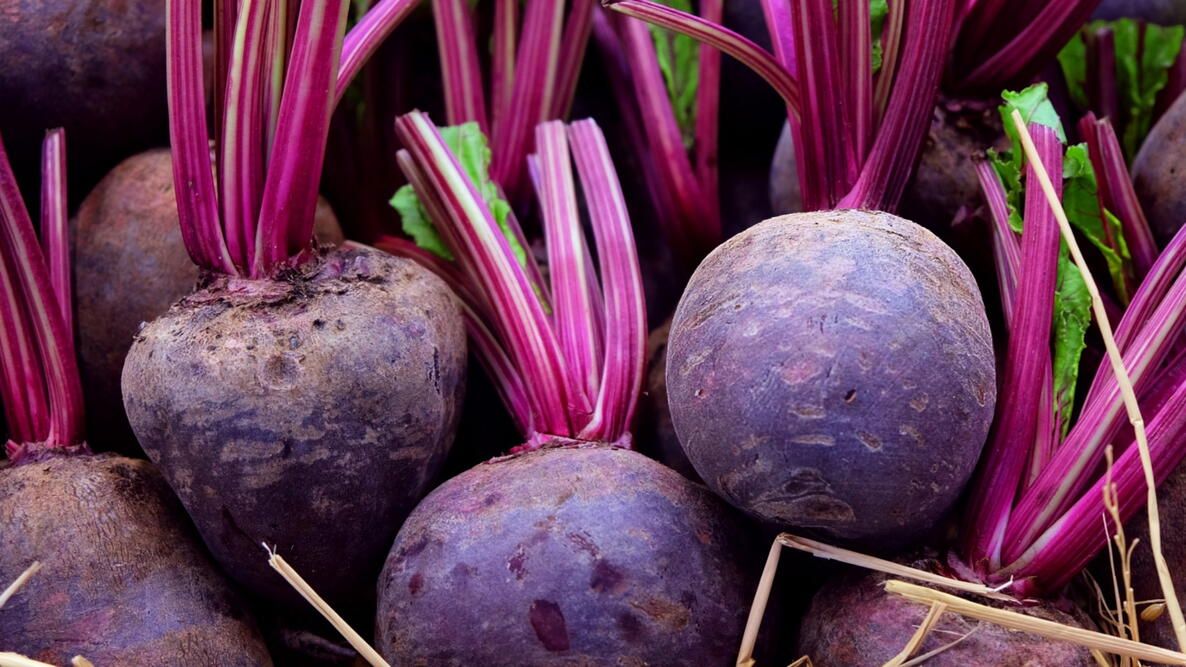
Beets should ideally receive at least 6 hours of direct sunlight per day. While they grow best in well-prepared, fertile soil, they tolerate average to low soil fertility. This root vegetable will NOT tolerate acidic soils (pH below 6.0). A soil pH between 6.0 and 7.0 is best, and slightly alkaline (7.0+) soils can be tolerated.
Avoid planting beets where Swiss chard or spinach has recently been grown, as they are cousins of beets and are susceptible to similar pests and diseases.
When to Plant Beets
- Start seeding your first round of beets in early spring, as soon as the soil is workable. To allow the round beetroots to develop properly, the soil should be free of rocks and other obstacles.
- Make successive plantings every 2 to 3 weeks until mid-summer.
- Successive plantings are possible through summer as long as daytime temperatures don’t exceed 75°F (24°C).
- Germination takes place in 5 to 8 days in soil that’s at least 50°F (10°C). In soil colder than that, it may take 2 to 3 weeks.
- Tip: To speed up germination, or when planting in areas with low moisture and rainfall, soak the seeds in water for 24 hours before planting.
- For a fall harvest, sow beet seeds from mid-summer through early fall, starting about 4 to 6 weeks before your first fall frost.
- Winter crops are a definite possibility in Zone 9 and warmer. Plant beets in early to late fall for a winter harvest.

How to Plant Beets
- Sow beet seeds directly into the ground. They do not like being transplanted.
- Sow seeds ½ inch deep and 1 to 2 inches apart in rows about 12 to 18 inches apart. Cover the seeds with a thin layer of soil after sowing.
- Make sure the soil remains moist for optimal germination. Soak seeds for 24 hours prior to planting to speed up germination.
Beet seeds are capsules that contain several seeds, so each one may yield two or three sprouts.
Check out this video to learn how to plant beets:
Harvesting
- Days to maturity tend to be between 55 and 70 for most varieties. In other words, plan to harvest beets about 2 months after planting.
- Harvest roots when golf ball-size or larger; very large roots may be tough and woody.
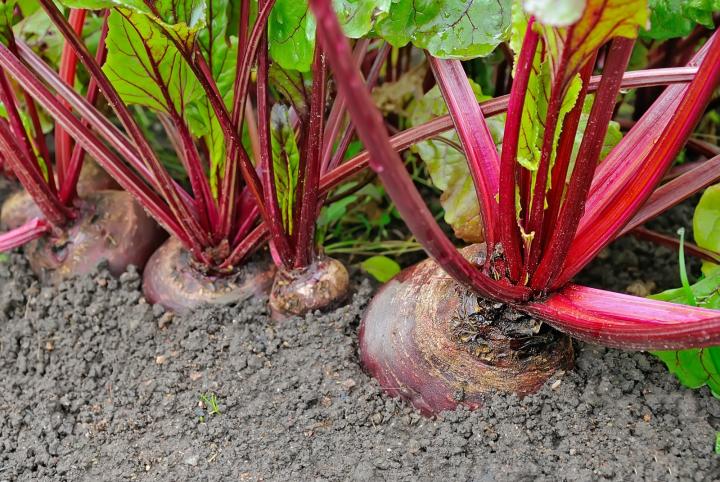
- Loosen the soil around the beet and gently pull it from the earth.
- Harvest the beet greens at almost any time, beginning when thinning seedlings. Take one or two mature leaves per plant, until leaf blades are more than 6 inches tall and become tough. (Roots will not fully form without greens, so leaving some is necessary for proper development.) The leaves can be twisted off and cooked like spinach. Or, see our recipe for Beet Greens Salad.
- If you experience mild winters, you can leave roots sown later in the season in the ground to dig up as you need them. Or, store roots in boxes of dry sand in a cool, frost-free place.
How to Store Beets
- Fresh beets can be stored in the refrigerator for 5 to 7 days.
- Tip: Clipping the tops off beets will keep them fresher for longer. Leave about 1 inch of stem on each beet, and store the greens separately.
- For long-term root cellar storage, make sure you brush off any soil clinging to the roots, then bury them in layers (but not touching) surrounded by dry sand or sawdust.
- Store in a cool, dry place. An unheated closet might do, or put them in a cooler in your basement. Read more about a new way to store beets in the root cellar.
- Sprouting is a sign of poor storage and leads to decay.
- Beets can be frozen, canned, and pickled, too!
- You can also freeze beet greens to use at a later date!
Types
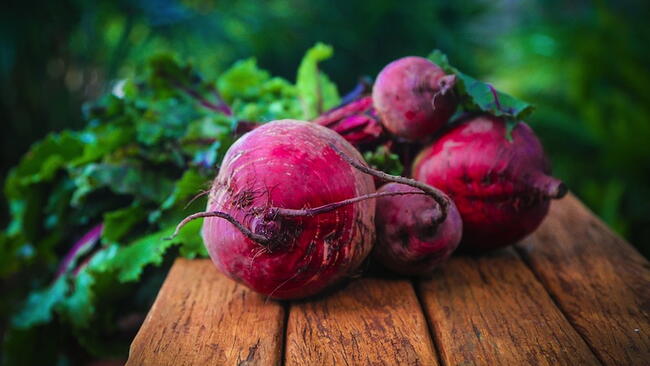
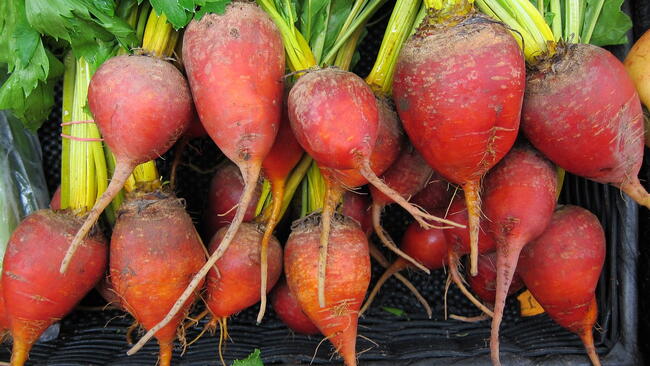
Beets come in quite a few shapes and a rainbow of colors. Deep red is typical, but yellow and white varieties are also available, as are red-white ringed ones (pictured below)!
- ‘Chioggia’: red skin; when sliced open, reveals red and white concentric rings.
- ‘Detroit Dark Red’: Sturdy, traditional variety with a round, red root.
- ‘Formanova’: Long, cylindrical beets that grow in the same fashion as carrots. Excellent for canning.
- Yellow varieties include ‘Bolder’ or ‘Touchstone Gold’.
- White varieties include ‘Avalanche’ or Dutch heirloom ‘Albino’.




Beets like cool weather, but they can take some heat and it's not that hot in San Francisco right now. With a shade cover (an old bedsheet), they should do OK. Or, you can plant again in the fall when the weather is cooler. If you have lush green and small bulbs, this is usually due to too much nitrogen in the soil. Make sure you have loose soil with lots of compost mixed in. And they may need more water.
Yep, live and learn. You can plant small pots in the ground if they are made from peat or organic materials which decompose. If you plant seeds in plastic pots, you do not put the plastic pots in the ground. As you learned, you would want to plant one seed per plastic pot so you don't have to separate the seedlings and risk damaging their roots.
At this point, we would thin by clipping some of the beet seedlings at their base. Then, on a cloudy day, lift the beets from plastic pots very carefully, gently placing in a well-prepared soil bed that has 2 inches of compost mixed in. Plant at the same depth they experienced in the pot. Space the beet plants 4 to 6 inches apart in a row. After planting, gently water at the base of the plant.
- « Previous
- 1
- 2
- …
- 10
- Next »

Comments