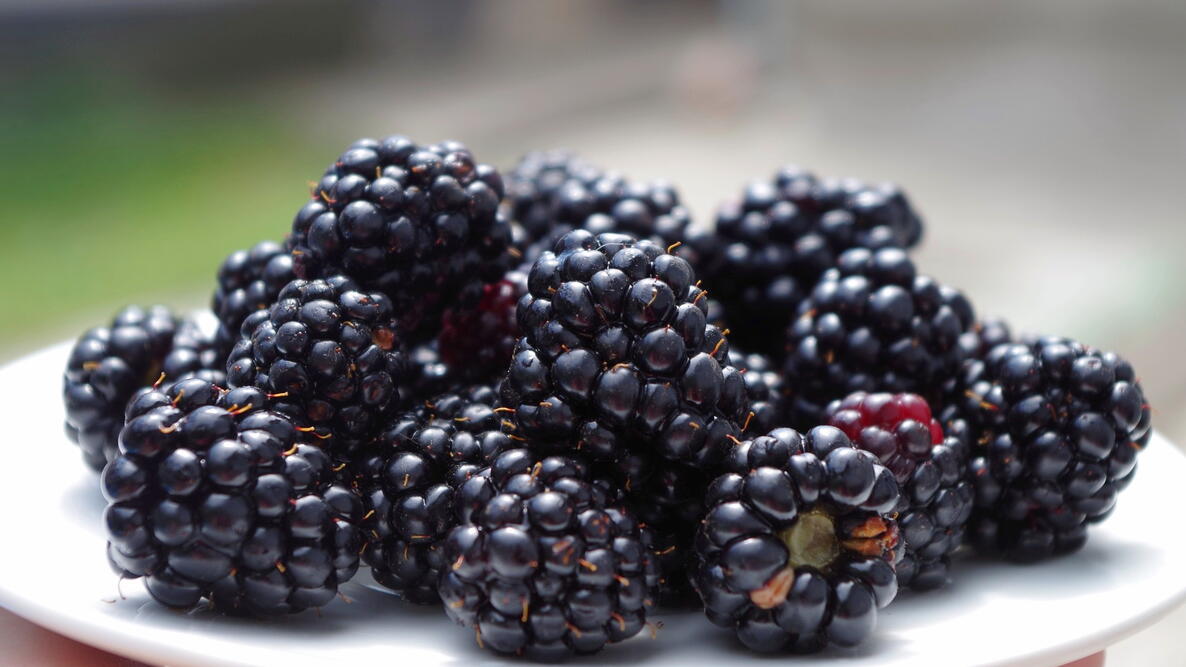
Types
Basically, there are three types of blackberries:
- Erect thorny blackberries
- Erect thornless blackberries
- Trailing thornless blackberries
Erect blackberries are bushes that support themselves, while the trailing blackberries have long canes that must be trellised for support.


Comments

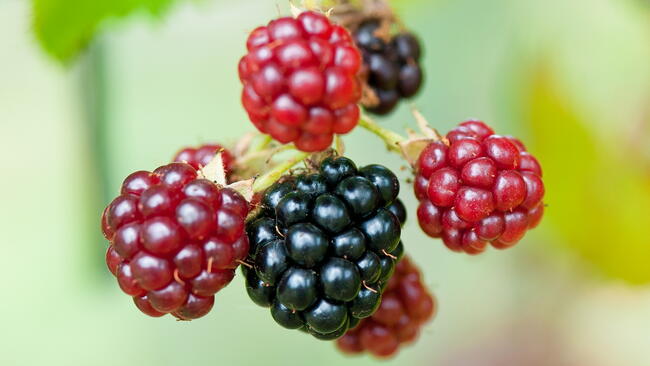
You are correct about the white or tan drupelets. This discoloration usually happens when the temperatures suddently change (example 70 to 90) and are accompanied with a drop in humidity (think dry air) and are exasperated by wind. All of these factors allow more UV rays to hit the fruits. However, they are still edible (just not marketable).
To avoid this issue, you can use mist the fruits or cool them down with overhead irrigation. Just avoid wetting them down in the evening so that the fruits have a chance to dry.
Blackberries will taste sour if they are picked too early. They turn black before they are ripe but you need to wait until they are dull and soft before picking.
Another reason for sour fruit is due to lack of watering. Your UV/discoloring issue suggests that this may be the case. It's important to provide deep and consistent watering to your blackburry bushes-- about 1 to 2 inches of water a week between May and October, and more if it's hot and dry.
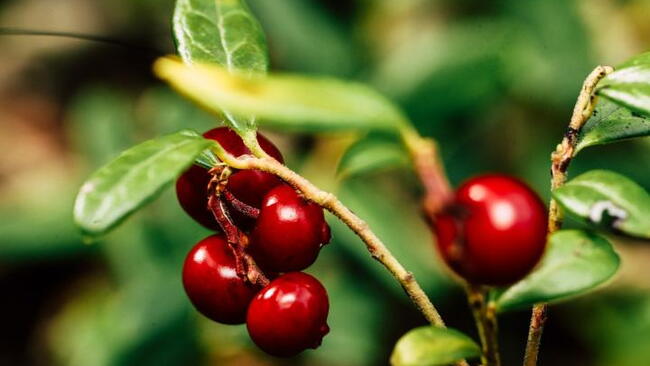
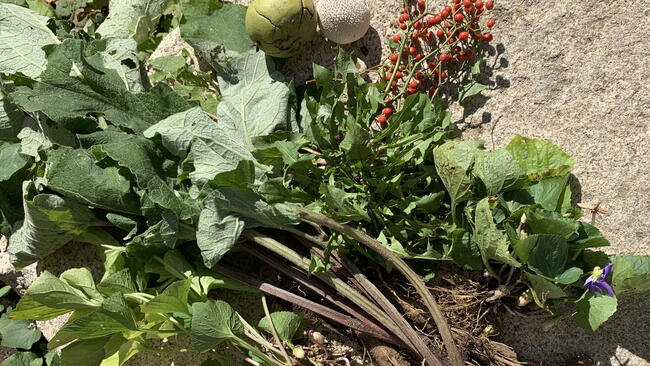
Hi, Kayla, Lots of berries are black, so we can't be sure which you've found. Here's a page with illustrations and details on a variety of berries (black and otherwise). See if yours is in here: http://www.extension.umn.edu/garden/yard-garden/fruit/wild-and-edible-fruits-of-minnesota/ —even if you are not in Minnesota, it may be useful information.
Thornless blackberries are popular in the Washington state area--and known for their large, sweet, abundant berries. You need to regularly prune. When the new canes reach 4 feet tall in summer, tie them back. They'll form some (side) branches which will stick out. In the spring, cut those lateral branches back to 2 feet long. In fall, cut all the canes that produced fruit to the ground. Every year the new canes will produce more fruit in the summer. For the birds, try bird netting a few weeks before the berries ripen. Yes, there are Mulberry Trees suitable to where you live.
- « Previous
- 1
- 2
- …
- 10
- Next »

For starters, you might cut down to the ground any canes that have already fruited (floricanes)--those with dead leaves, or old fruit on them. This is usually done in late summer, after the floricanes have stopped fruiting. At any time, you can remove any other canes that are damaged or diseased, or remove any canes that extend at ground level beyond the area where you want the plant to grow. If possible, you can set up a trellis and tie the canes that you would like to keep to it, to keep them from blocking the doorway. You can also trim back the primocanes (the 1-year-old canes that will fruit the second year) to about 3 or 4 feet. Some gardeners select just 4 to 8 primocanes to keep for next year's harvest, and prune out the other primocanes.
In spring, gardeners often prune off the tips of the canes back to about 24 inches, which encourages branching and more fruit.