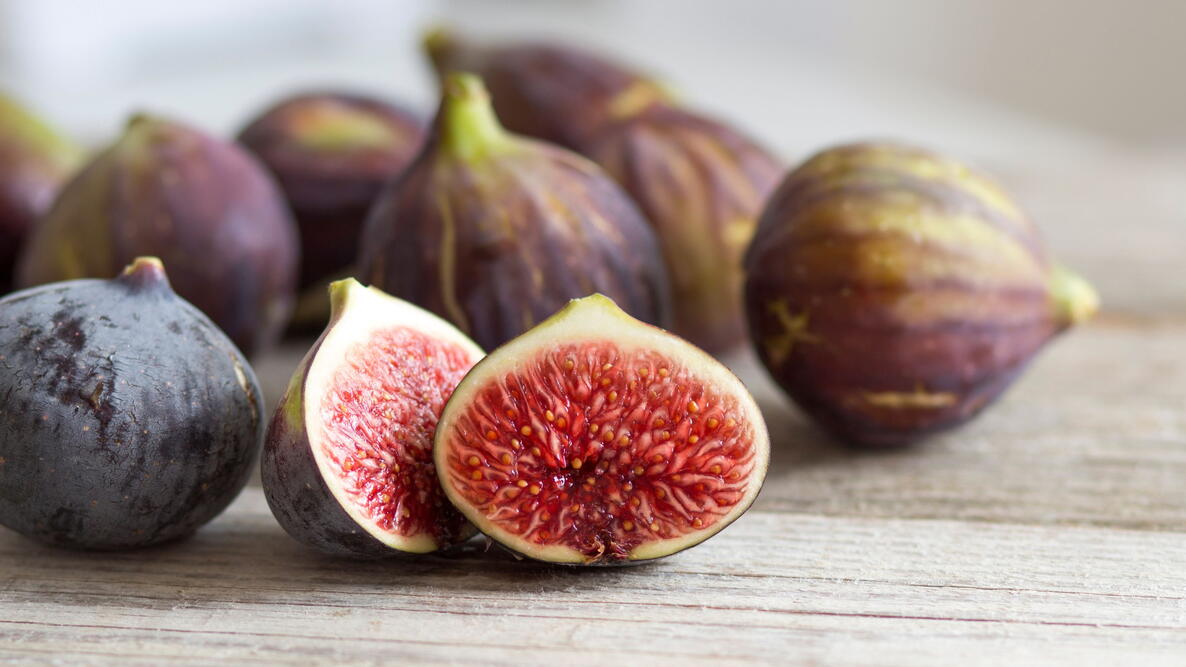
Planting
Figs can be planted outdoors without much trouble in Zone 8 and warmer. In zones where winter temperatures get colder than 10°F (-12 °C) for periods of time, be sure to choose a hardy fig variety.
When to Plant Fig Trees
Plant fig trees outdoors in the early spring or late fall when they are dormant. Alternatively, figs can be grown in large containers and brought inside for the winter.
How to Plant Fig Trees
- For container fig trees, grow them in a soil-based potting mix and add fine bark chips to improve drainage. Keep the tree in full sun in the summer. In the spring and summer, be sure to add a high-nitrogen fertilizer every 4 weeks and water the tree moderately. In the winter, move the tree indoors and keep the soil moist.
- For outdoor fig trees, plant the tree in the spring or early fall in full sun. Fig trees can grow in most types of soil as long as the soil is well-draining and contains plenty of organic material. (Learn more about organic soil amendments.)
- Space fig trees at least 20 feet away from buildings or other trees.
- If given the chance, fig trees put down deep roots, so bear that in mind when choosing a planting spot.
- To plant container-grown trees in the ground:
- Remove the plant from its pot and remove any circling roots by laying the root ball on its side and using shears to cut through the roots.
- Dig a hole that is a few inches deeper and wider than the spread of the roots. Set the tree on top of a small mound of soil in the middle of the hole. Be sure to spread the roots away from the trunk without excessively bending them.
- Plant the tree 2 to 4 inches deeper than it was originally in the pot (check the color of the trunk to see the original soil line).
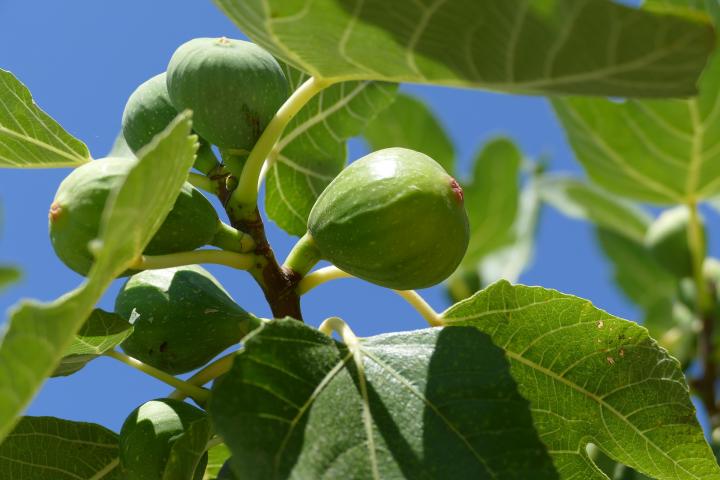
Harvesting
Harvesting Figs
- You should harvest figs only when they are fully ripe, as they will not continue to ripen off the tree. The figs should be fully colored and slightly soft to the touch.
- You may need to invest in netting to protect your crop; figs are a favorite of birds and squirrels.
- When picking figs, wear gloves or long sleeves because the sap from the fig tree can irritate your skin.
- Figs are very perishable. Store figs in the refrigerator; they will keep for 2 to 3 days.
- For long-term storage, you can freeze figs whole for later use. Another storage method is to dry the figs. You can also can your own figs.

Types
- ‘Brown Turkey’ produces abundant medium to large figs. This type works best in warm climates but is fairly tolerant of cooler temperatures, too.
- ‘Celeste’ produces small, sweet, purplish figs. It is one of the more winter-hardy varieties.
- ‘Hardy Chicago’ is a winter-hardy variety that produces purple, medium-size figs.
- ‘King’ is well adapted for the cooler conditions found in the Northwest. It produces medium figs that are sweet and rich in flavor.
- ‘Kadota’ vigorously produces small to medium fruit. Its figs are rich and sweet, and it is the most commonly canned fig.






Hi, Keith: Great question! Fig trees require pruning during (the end of) their dormant season (winter) in order to focus their upcoming growth energy on the production of new branches and new fruit. At this time, you should prune away any dead or diseased branches, plus any root suckers that you can find. You should plan on cutting back your tree by 1/3 each year, but in such a way that you are focusing the tree's energy on a half-dozen or so (symmetrically balanced) branches that you are going to choose to be your "fruit growers" (for lack of a better term). Trim off the old growth so that it is not draining energy that can go to new growth. And while it's true that all old growth starts as new growth, old growth does get tired, producing less and smaller fruit. After a few years, it pretty much gets expended in terms of quality. So, to answer your question: Cut back the old growth as it dies. Use pruning to focus on new growth in selected branches. As that new growth ages and becomes old, in the meantime be starting to focus on a couple of new growth "rookies" each year, to replace worn-out old-growth branches. Speaking of which, this answer has probably worn us all out! Good luck!
Hi, Dianna: Please see above ...
Grow fig plants in half whiskey barrels or other large, suitable containers of about 30-gallon size. Casters on the containers
are helpful for the time when you need to move the fig plants inside. Certain cultivar grow better in containers than others. Try the ‘Petite Negri' fig plant.
To grow figs in a container, make sure that the soil is loose and well-drained with lots of compost or well-rotted manure; You can lighten heavy soils by incorporating a soil-less growing mixture containing perlite and/or vermiculite. Also be sure to water more often; as the fruits form, the plants need 2 to 3 gallons of water each day.
After fig leaves drop in the fall, shape your plant by removing suckers and heading back long branches. You can move into a protected area such as a garage the tree should go dormant.
What kind of figs are you growing? Some varieties require male and female plants to produce fruits.
- « Previous
- 1
- 2
- …
- 10
- Next »

Comments