Planting
When to Plant Morning Glories
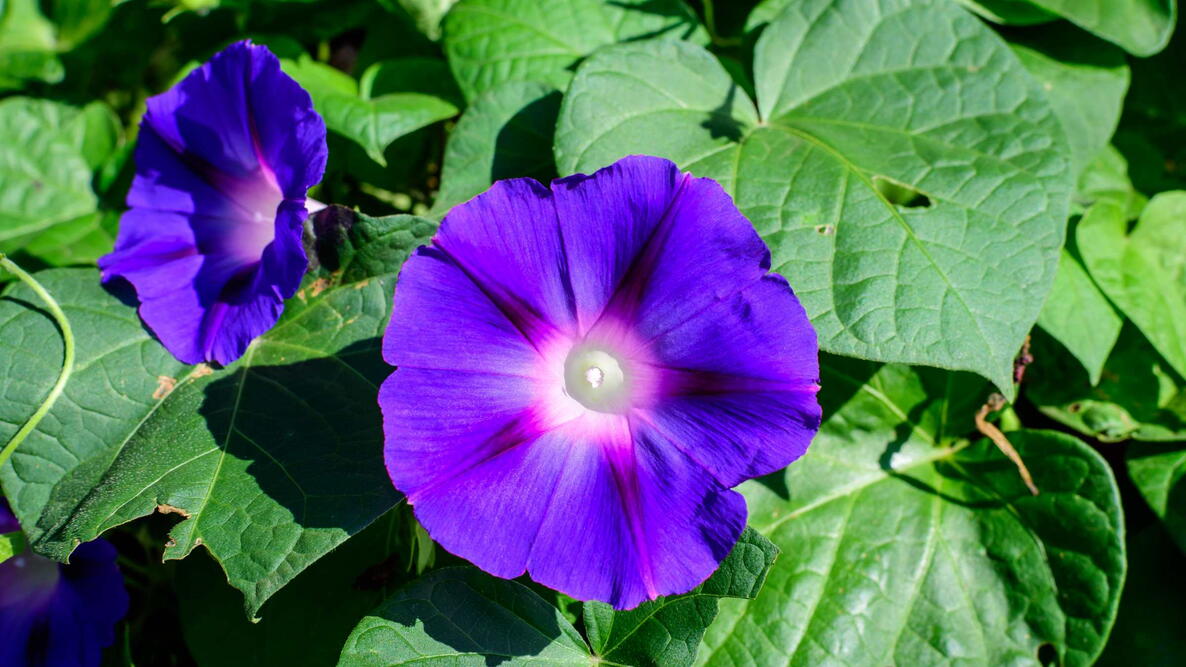
Morning glories are sensitive to cool temperatures and late frosts, and are typically grown as tender annuals in most areas. To get the most out of these plants, direct sow seeds outdoors as early as possible after the danger of frost is over. Don’t be tempted to start morning glory seeds indoors — I tried this once and had vines trailing all over my plant shelves before it was even warm enough to transplant!
Where to Plant Morning Glories
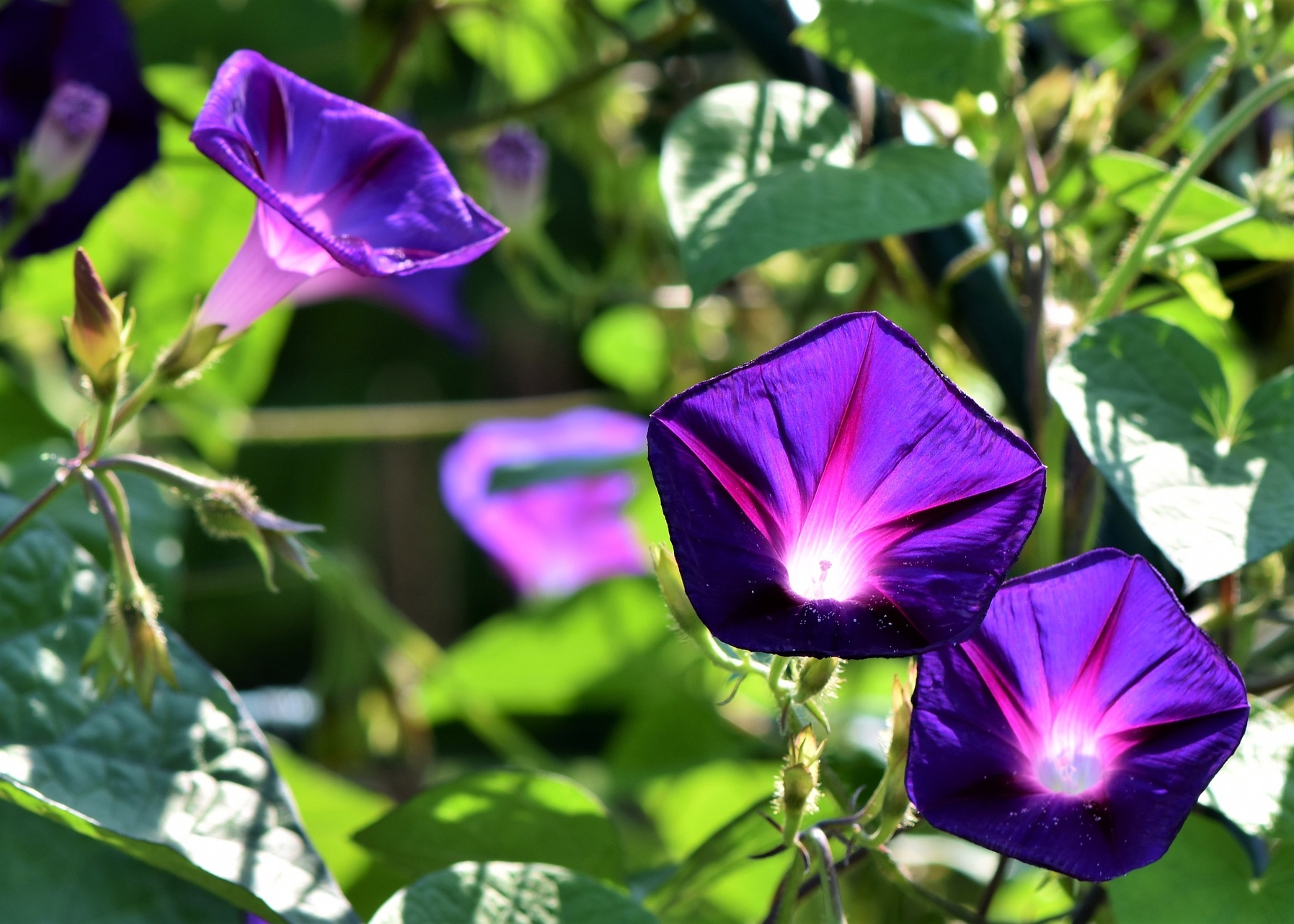
Morning glories are full sun plants that need a minimum of 6 to 8 hours to bloom bountifully. They also crave rich, well-draining soil and require trellising or other support to keep their vines tidy. Growing spots that are sheltered from strong, drying winds are helpful too, as these spaces make it easier for pollinators to feed and help to protect delicate monring glory vines from wind damage.
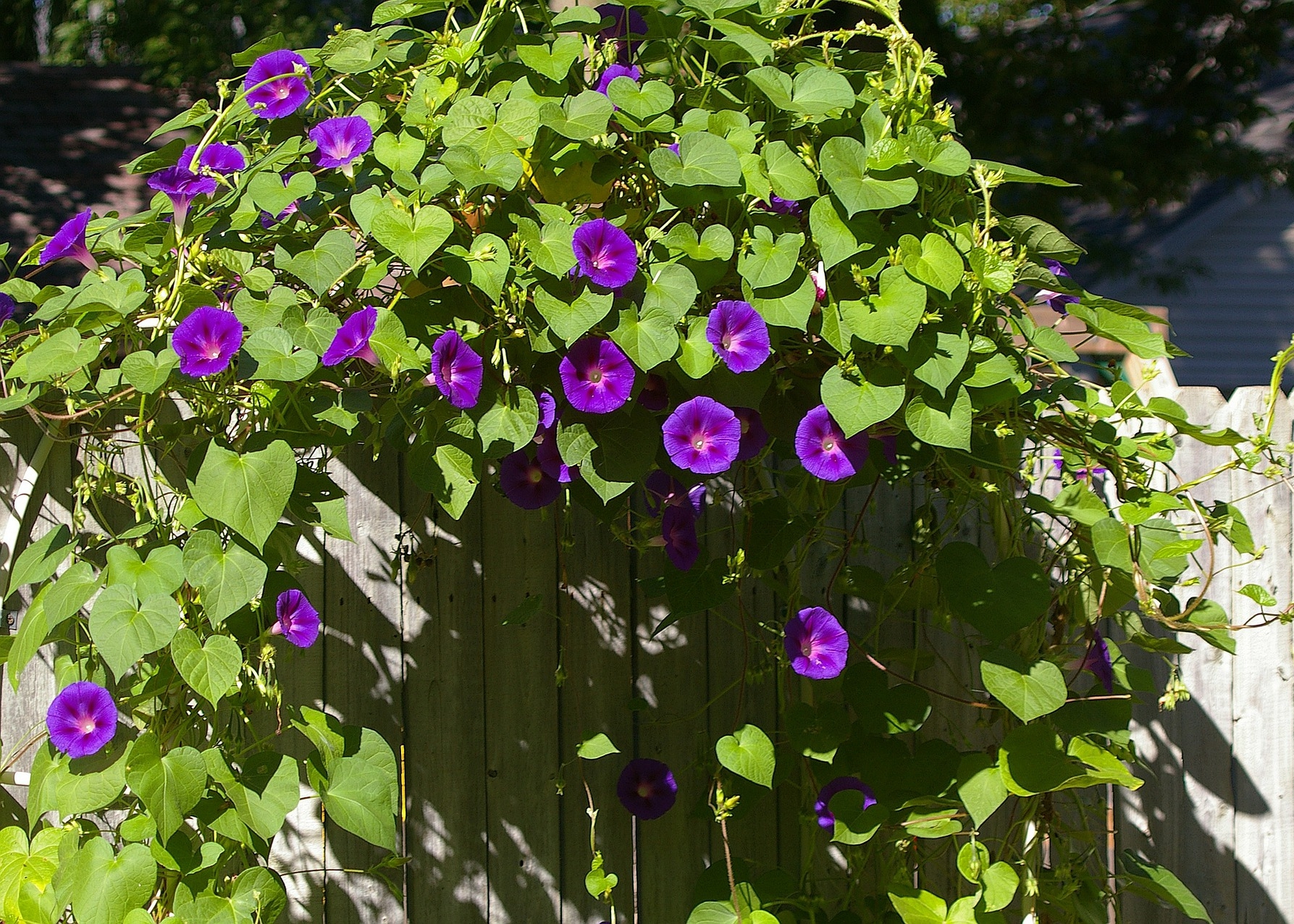
Depending on your growing style, you can either train twining morning glory vines over a pergola, fence, trellis, or arch, or use them as a dense ground cover. Once established, morning glory vines can easily grow up to 10 feet long in one season—and they self-seed easily too — so you’ll want to plant wisely!
How to Plant Morning Glories
- To boost germination rates, scarify or gently file morning glory seeds just enough to break the outer coat. Then, soak the seeds for 24 hours before planting.
- When you’re ready to plant, directly sow the seeds outdoors in your garden and lightly cover the seeds with 1/4-inch of earth. Space multiple seeds 6-inches apart and water thoroughly.
- Seedlings should appear in about a week, although stubborn seeds may take 2 or 3 weeks to sprout.
- If you want to grow morning glories in containers, choose a 3 to 5-gallon pot or grow bag that drains well and pot the seeds up using a rich potting mix or soil blend intended for raised bed gardening.
Growing
Watering
Morning glories are low maintenance and established plants only need supplemental water during particularly dry periods. New plantings and container-grown plants may need a bit more watering. Adding mulch over the soil line is an easy way to retain soil moisture levels and reduce watering, while keeping weeds at bay!
Fertilizing
Adding compost to planting sites before sowing morning glory seeds can help new plantings establish faster. After that, apply a balanced liquid fertilizer as needed, but take care not to overfertilize. Overly rich soil can cause vines to grow more foliage than flowers.
Pruning or Maintenance
Morning glories need support to keep their vines manageable. Vines will happily wind their way over trellises, pergolas, arches, netting, porch railings, and more. If desired, you can also skip the supports entirely and allow morning glory plants to trail over the ground.
If you don’t want plants to self-sow, pinch off the old flowers before they turn into seedpods. This can also encourage plants to rebloom.
Seasonal Care
In most areas, morning glory vines die back with the first frost and can be cleared away and composted when they do. If you live in a warm climate where morning glories grow perennially, cut back dead, damaged, and overgrown vines when the plant’s growth slows in winter, reduce watering, and skip fertilizing entirely until spring returns.
Types
Morning glories come in different colors, sizes, and bloom times, and mixing and matching a few different varieties can make your garden even more bewitching!
- ‘Heavenly Blue’ are the classic morning glories with rich azure flowers and white throats. These plants climb to 12 feet.
- ‘Scarlett O’Hara’ has bright red flowers with a white throat. It climbs to 15 feet.
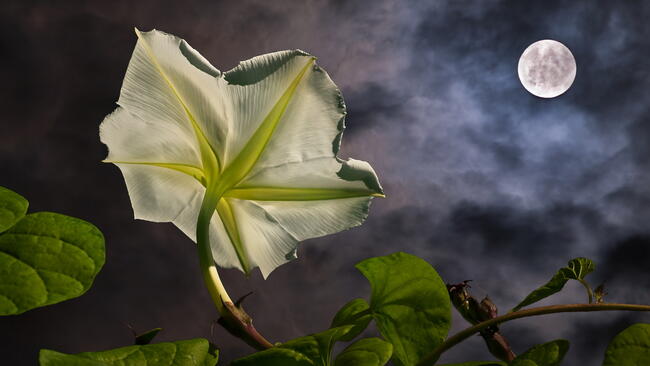
- Moonflowers are a night-blooming variety of morning glory with big trumpet-shaped, white blooms that moths and other nocturnal pollinators can’t resist!

Wit and Wisdom
- Morning glories are one of September’s birth flowers.
- If you’ve ever grown sweet potatoes, you may notice a resemblance between their leaves and flowers and those of the morning glory. Unsurprisingly, the plants are related — they both belong to the genus Ipomoea.
- Interestingly, morning glories can help predict the weather. Their flowers open wide in sunny conditions and close when rain and stormy weather draws nigh.






Hi Anne,
Glad to hear that your morning glory is growing well and there could be a few reasons why it has not resulted in flowers. If you started your plant from seed this year, it can take a few months, up to 120 days to flower. In many regions, morning glories are one of the last annuals to bloom, especially if you planted a late variety. If that is the case, they might not produce flowers until August, or even September.
It could also have to do with its growing conditions. While many plants thrive in rich, fertile soil, morning glories are not one of them. They prefer well-draining average, or even poor, soil to grow in. You want to be avoid fertilizer because too much nitrogen (either from fertilizing or in the ground) will cause it to grow beautiful foliage, but at the expense of blooms. If you have not fertilized, it might be worth testing your soil.
They do best in full sun, so a shady spot will also hinder the plant's ability to produce flowers. You also want to make sure that you are providing one deep watering per week and avoid watering too often.
Hope this helps!
- « Previous
- 1
- 2
- …
- 10
- Next »

Comments