Types
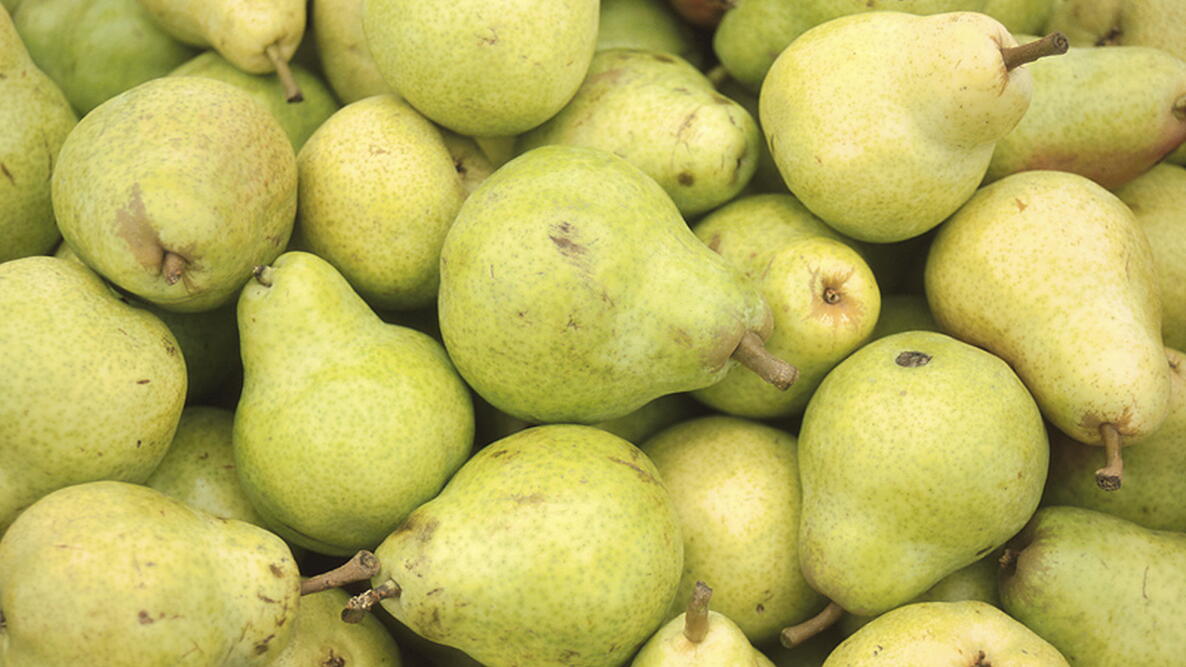
- ‘Bartlett’, which is the standard choice for pear trees. This tree type is average-size and produces medium to large fruits. These pears ripen to a yellow color. However, this variety is very vulnerable to fire blight.
- ‘Kieffer’, which is resistant to fire blight. This type produces medium fruit and can be used in canning.
- ‘Anjou’, which produces light-green fruit with a sweet flavor. This type is a good choice for late-blooming pears. Good for canning and fresh use. This type can store for up to 6 months with little loss in quality.


Hi, Pam: Bartlett should work just fine for your Clapp's Favorite, as would Red Sensation, Beurre Bosc, Seckel, or Moonglow. Thanks for asking!
Hi, Jeannine: It depends a little bit on the variety and a lot on the depth of the freeze, but in general pears can withstand some cold (a few days of light frost) if you can cover them. Folks often use old bed sheets clothespinned to the branches or even safety pinned to themselves and dropped over/around a small tree like a skirt. But moisture is moisture, and the moisture in a pear is no friend of freezing, by any means. So.... What did you end up doing? What happened? And thanks for asking....
Hi, Trish: Pretty mysterious, but if indeed you have three different types of leaves on the same tree, no doubt this is a reflection of something having to do with your scion's rootstock and/or some sort of genetic mutation. Another possibility is that the leaves are still too immature to be fully developed and identified, but you sound like you would have recognized this if it were a possibility. Thanks for asking, and keep us posted!
Sorry, pears will only pollinate pears, apples will only pollinate other apples, and so on. Further, it must be a different variety of the same fruit species within 500 feet of each other. Two trees of the same variety will not pollinate each other. Pears especially need a lot of pollinators (bees) to make sure it all happens!
- « Previous
- 1
- 2
- …
- 10
- Next »

Comments