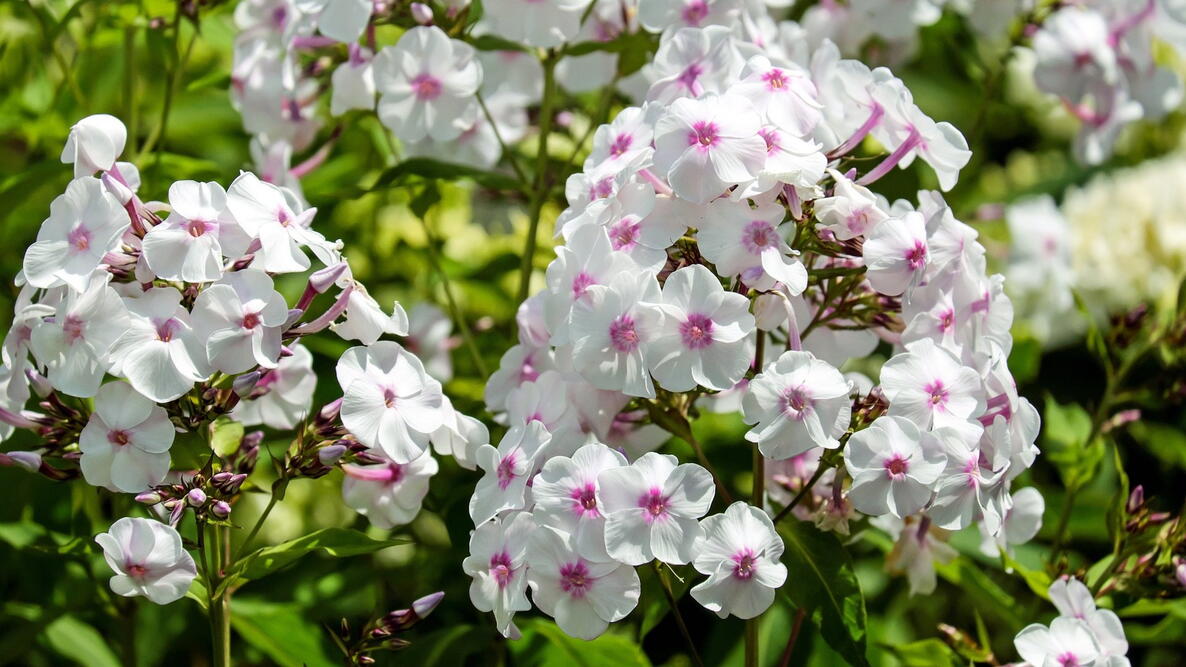
Planting
When to Plant Phlox
Plant phlox in the spring after the threat of frost has passed, or plant in the fall at least a month before your first frost.
Where to Plant Phlox
Because there are so many different types of phlox, sunlight requirements vary. Tall garden phlox do best in full sun, while woodland species thrive in partial shade.
In general, phlox prefer soil that is nutrient-rich and evenly moist. They do not like to sit in wet soil, however. Use a garden fork or tiller to prepare your garden bed prior to planting. Loosen the soil to about 12 to 15 inches deep, then mix in a 2- to 4-inch layer of compost to improve soil consistency and fertility.
How to Plant Phlox
- It is easier to grow phlox from cuttings/transplants than from seeds, although established plants will readily spread by seed in the garden.
- Space plants according to their mature size.
- If you are transplanting a plant from a pot, dig a hole about twice the size of the pot’s diameter and place the plant so that the top of the root ball is even with the soil’s surface. Fill in around the root ball, and remember to water it thoroughly.
Types
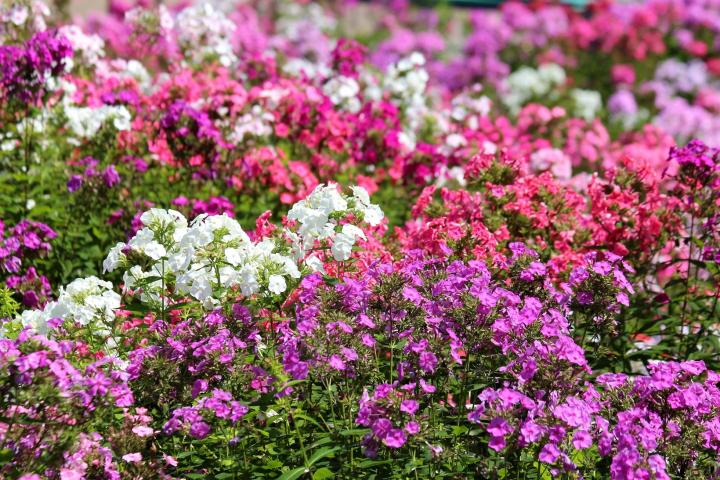
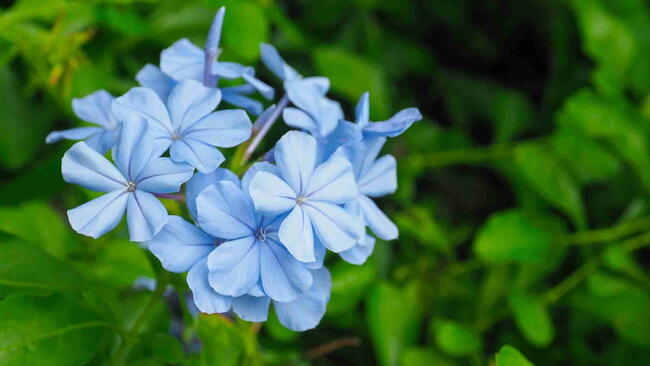
These perennials sport copious star-shaped, colorful flowers from spring through summer, depending on the variety. Because there are so many types (many of which are native to North America), you can find a phlox for almost any garden. Truly, their versatility can’t be overstated.
- Low-growing creeping phlox works great as ground cover in sunny yards.
- Ankle-high woodland phlox is perfect for dappled, shady beds.
- Medium-height garden phlox is often the “backbone” of the perennial garden, providing a layer of color midway through the garden and filling in gaps.
- Tall garden phlox is excellent as a colorful backdrop, with large, often-fragrant flower clusters.



Comments

Tall garden phlox tends to spread by seed. To prevent this in the future, remove flowers once they've started to fade and before seeds are produced. If you pull out the unwanted phlox and are able to get most of the root system, it should not return.
- « Previous
- 1
- 2
- …
- 10
- Next »

If they normally perform well in those spots, it's likely just the lack of water that's causing issues. If you're able, give them some supplemental waterings in order to get them through autumn. Hopefully, next year will bring a bit more rain and they're spring back to life!