Celebrate “National Sneak Some Zucchini onto Your Neighbor’s Porch Day” (August 8) the right way by mastering the art of growing zucchini, crookneck, and other summer squashes that boast perfectly tender skin and luscious summertime flavor. In this guide, you’ll learn everything you need to know to grow zucchini and summer squash from seed, how to keep these plants in containers or your garden, and how and when to harvest zucchini to maximize yields!
Note: All types of summer squash require very similar care and the tips in this guide can be applied to zucchini, yellow summer squash, crookneck squash, pattypan squash, and more.
Image: Alvintus/Getty Images
Planting
When to Plant Zucchini
Zucchini and summer squash are heat-loving plants that don’t handle cold weather well and don’t take kindly to transplanting either. It’s generally best to sow these plants directly from seed in mid- to late spring when the risk of frost has passed, the soil has warmed to at least 65° to 70°F, and air temperatures are at a comfy 60ºF or above. Don’t start the seeds earlier than this, as they won’t germinate!
If desired, zucchini seeds can also be started indoors in biodegradable pots about 2 to 4 weeks from the last spring frost date — or they can be grown from nursery-started plants. Either way, don’t rush transplanting. The weather should be warm and the plants properly hardened off before they’re moved outside.
Gardeners who regularly struggle with pests like squash vine borers may want to skip spring planting altogether and sow zucchini seeds outdoors in midsummer instead. This can help to minimize pest problems as long as you start the seeds early enough that the plants still have time to mature before frost.
Where to Plant Zucchini
Zucchini need to be bathed in warmth and sunshine to thrive, so make sure to locate them in an area that receives at least 6 hours of direct sun per day and has rich, moist soil. It’s also wise to position these plants in a sheltered location that’s protected from strong winds to make it easier for bees and pollinators to move between zucchini blossoms. Growing these plants near flowers and herbs can also increase pollinator activity and help you get a larger harvest!
Depending on your space, you can grow zucchini in raised beds or in-ground gardens or you can plant them individually in containers that are at least 5-gallons in size. Just make sure to mix plenty of compost or well-rotted manure into planting sites beforehand to give these heavy feeders something to grow on.
How to Plant Zucchini
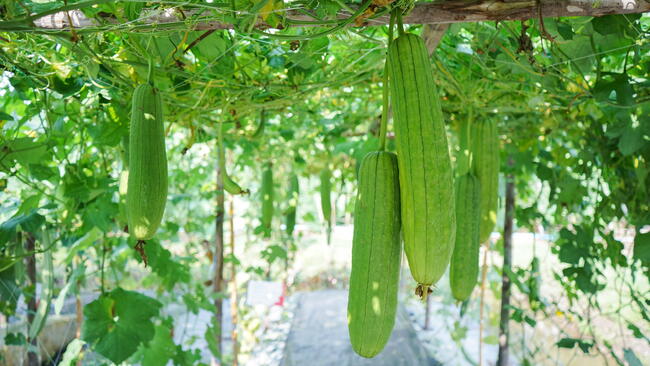
To sow zucchini seeds outside, plant bush-type zucchini seeds 1-inch deep and 2 to 3-inches apart in rows spaced 2 to 3-feet from each other, or plant 3 to 4 seeds together in mounds spaced 3 to 6-feet apart. If necessary, use row covers, plastic milk jugs, or cold frames to shield these tender plants early on and then thin the seedlings out to 2 to 3-foot spacing or 1 ot 2 plants per mound once the seedings sprout leaves. Vining-type zucchinis, on the other hand, can be planted slightly closer together if you install a trellis at planting time to keep the vines more manageable.
To sow zucchini seeds indoors, plant 2 seeds per 4-inch biodegradable pot and thin to one plant per pot when the true leaves form. Harden the seedlings off carefully when the weather warms and be gentle with the roots when transplanting. As with directly sown seeds, bush-type transplants should be positioned about 2 to 3-feet apart for proper growth.
After planting zucchinis, keep them well-watered and add a layer of mulch to reduce weeds and conserve soil moisture.
See our video showing how to grow the perfect zucchini every time!
Growing
Watering
Zucchini thrives in moist soil and should be watered thoroughly, frequently, and consistently with at least 1-inch of water per week. Watering deeply and diligently is best for fruit set and can help you avoid misshapen or underwhelming harvests. Plants grown in pots need more frequent watering than plants in the garden, but you can significantly slash watering needs by adding a 1 to 3-inch layer of mulch when zucchini plants are a few inches tall.
Powdery mildew can be a big problem with zucchinis, but you can reduce mildew issues by watering plants at the soil line and keeping their leaves as dry as possible!
Fertilizing
Like other heavy-feeders, zucchinis and summer squash grow best when the soil is enriched with compost or aged manure before planting. When the first flowers appear, simply side dress the plants with a balanced or low-nitrogen fertilizer.
Pruning or Maintenance
During the growing season, remember to stay on top of weeds to reduce plant competition. Mulching can make this task much easier. If you’re growing vining zucchinis on a trellis, you may need to gently help the vines start to climb.
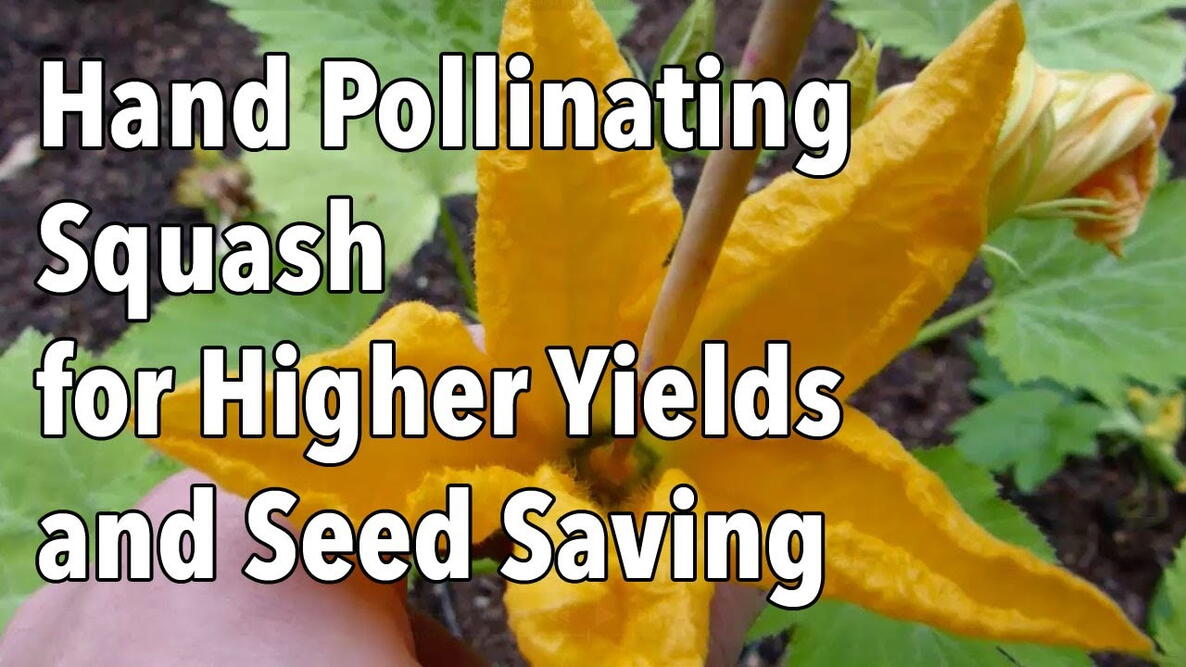
Unlike some veggies, zucchinis often won’t fruit without pollinators or they may produce a misshapen harvest when pollination is inadequate. Companion planting and keeping your garden pesticide-free should naturally increase pollinator activity and fruit set. If you don’t see any pollinators around, you may need to hand-pollinate the flowers yourself with a Q-tip or old makeup brush.
Seasonal Care
Zucchinistend to produce only male flowers at first and pollination can be slow to start — particularly in cool or damp weather. Warming the soil before planting with black plastic mulch can speed things along, as can row covers and grow tunnels. However, zucchinis should be uncovered completely once their flowers start to bud out to ensure pollinators can get to work.
Harvesting
When to Harvest
Most varieties of zucchini and summer squash take about 60 days after planting to start bearing fruit and those fruits are usually ready to be picked about a week after flowering. That said, there is some variabiliy in harvesting times, so always check seed packets for more exact information.
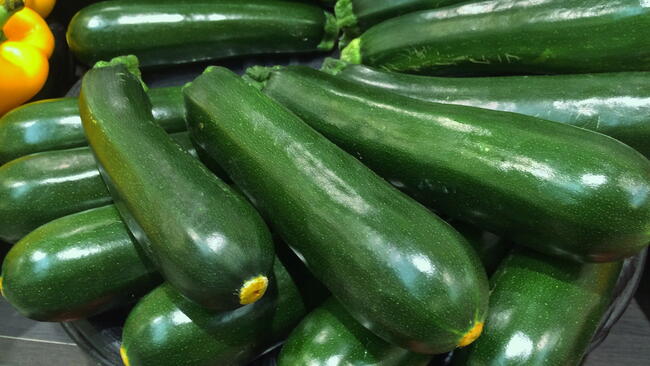
For best flavor and texture, harvest zucchini and squash when the fruits are about 6 to 8-inches long. Larger fruit can look impressive, but it has little flavor and the skins get quite tough. Once fruiting begins, check zucchini plants regularly and often as it’s easy to overlook a hidden zucchini and wind up with massive, but tasteless, fruit!
How to Harvest
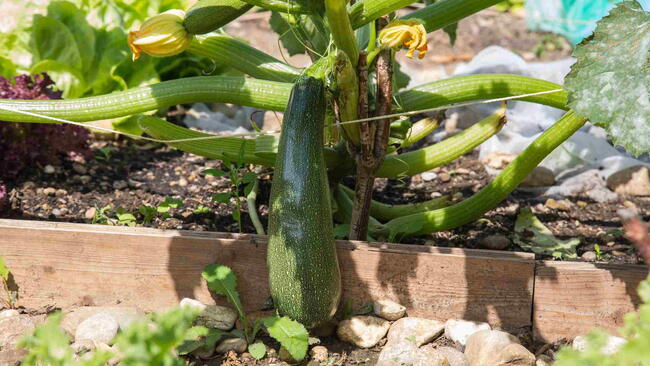
When harvesting, cut zucchinis off the vine with a sharp knife and leave about 1-inch of stem attached to each fruit. Resist the temptation to harvest zucchini by pulling on the fruit as this can damage your plant.
If your zucchini are producing too well, you can slow down production by harvesting the fruit when it’s still small or removing all the male flowers. Zucchini flowers are perfectly edible and can be used as salad toppers or stuffed, battered, and fried. Towards the end of the season, harvest all remaining zucchini before frost hits as the plants and fruit won’t survive a cold spell.
Storage
Fresh zucchini and summer squash has a relatively short shelf life and can be stored, unwashed, in a plastic or paper bag in your fridge’s crisper drawer for about 10 days. If you end up with more zucchini than you can use straight way, you can also pickle it or blanch and freeze it for up to 3 months.
Pests and Problems
Zucchini produces well, but you MUST keep an eye on the plant for pests. If you ignore your plants, the pests will come, and you must get ahead of them before they arrive!
Common Problems
Fruit and flower drop can occur if plants are temperature-stressed or underwatered, or if they’re struggling due to lack of pollination. It’s also perfectly normal for the first few zucchini flowers to fall off the plants without producing fruit.
Wilting may indicate that zucchinis need more water, but it can also occur due to activity from pests like squash vine borers.
Common Pests
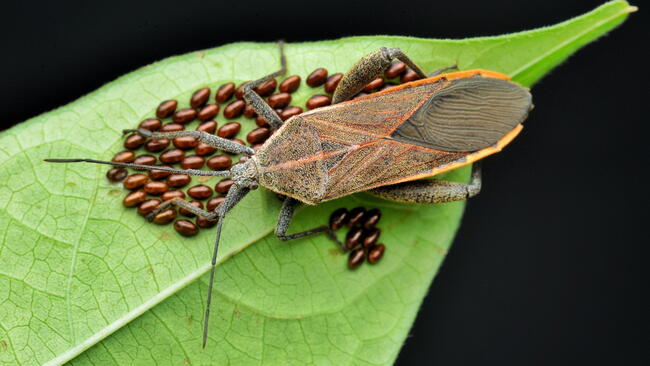
Squash bugs feed on sap, weakening plants and threatening fruit production. Protect plants when the bugs are most active in early summer by using row covers or fleece, and then continue to check for eggs at least twice a week. If you find any eggs, rub or scrape them off with your fingers, while adult bugs can be dispatched by knocking them into a bucket of soapy water.
Squash vine borers burrow into zucchini stems, which causes stems to rot and foliage to wilt. These pests are most active earlier in the summer and can be rebuffed with row covers or by wrapping plant stems in foil to prevent eggs from being laid. If you suspect the grubs have found their way into your plants, cut them out by making vertical cuts into the zucchini stems with a sharp, sterilzied knife or inject BT thuricide directly into the stem itself.
Plant Diseases
Powdery mildew can be an issue on zucchini leaves late in the season and is most common when plants are overcrowded, watered from the top-down, or exposed to extended periods of high humidity. If plants become infected, remove the damaged leaves immediately and treat plants preventatively with a spray made of 1 part milk and 2 parts water appied at 2 week intervals.
Blossom-end rot can turn the base of squash and zucchinis black and mushy with rot and spoil your havest. This condition is usually caused by irregular watering, but it can also indicate that zucchini plants are calcium starved.
Watch this excellent video for tips and tricks to sidestep common squash problems so there’s no barrier to your successful harvest!
Types
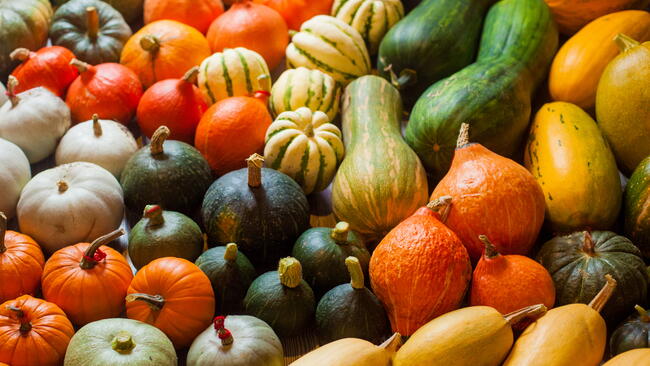
Zucchini come in bush-type forms, which are best for containers and growing in rows, or vining-type plants that can be grown on trellises. Here are popular picks and what makes each stand out.
‘Cocozella (di Napoli)’: A heirloom zucchini with dark green, slender fruits and excellent flavor.
‘Goldbar’: A yellow summer squash variety with a sweet and nutty flavor.
‘Ronde de Nice’: A funky, French heirloom, this plant produces globular fruits — and lots of them!

Wit and Wisdom
The word “squash” derives from askutasquash, the Narragansett Native American word meaning “eaten raw or uncooked.”
So-called squash bees—Peponapis and Xenoglossa—are excellent pollinators, especially for zucchini. Look for them among the flowers in the first few hours after sunrise.
Squash is technically a fruit because it contains the plant’s seeds, but for culinary purposes, it is treated as a vegetable.
Catherine Boeckmann loves nature, stargazing, and gardening so it’s not surprising that she and The Old Farmer’s Almanac found each other. She leads digital content for the Almanac website, and is also a certified master gardener in the state of Indiana.
<a title="View user profile." href="/author/editors">The Editors</a>Tue, 07/10/2018 - 12:00
It sounds like blossom end rot, an unfortunately common occurrence due to excess moisture and inadequate calcium in the soil. See here for more specific information: https://www.almanac.com/pest/blossom-end-rot
I have a zuchinni plant that has so far only bloomed female flowers. I have 2 females so far and it looks like the next one to bloom will also be female. They have 2-3" fruits on them but they don't seem to be getting bigger since the bloom opened. Should i be concerned?
Reply to comment
<span>Lioza</span>Tue, 07/03/2018 - 08:29
It sounds like they have not been pollinated. If you don't have bees to move the pollen from the male flowers to the female ones, the fruit will not continue to grow. You can do this with a Q-tip or other small object. I have never had a zucchini that did not have male flowers along with the female ones, this is a necessity for the fruit to continue to grow.
Reply to comment
<span>Sali</span>Thu, 06/07/2018 - 21:22
I am having a hard time with a couple of my zucchini plants already. My plants are less then a month old and I think a couple already have powdery mildew. They are in a raised bed. I made sure to prep the soil, added compost and manure, etc but yet 3 out of my 6 squash plants are showing signs of disease. I have Battled PM but this time it looks different. The leaves are growing with white along the veins. Is it still mildew or am I doing Somethjng wrong? The size of the plants are beautiful and all my other plants are growing well. Please advice.
Ps. I did use a copper fungicide and it helped one of the plants.
Reply to comment
<a title="View user profile." href="/author/editors">The Editors</a>Tue, 07/10/2018 - 12:04
We think you have identified the problem. See these pages for more information:
• How to identify—and confirm—that it's PM: https://www.almanac.com/pest/powdery-mildew
• More pictures/examples of PM and remedies: https://www.almanac.com/blog/gardening/garden-journal/powdery-mildew-remedies-plants
Reply to comment
<span>Juniper</span>Tue, 05/29/2018 - 17:55
I am planting a three sisters garden in the arid southwest. I would like to have a combination of summer and winter squash. My corn is about 6 inches tall and I am ready to sow squash and beans. Can I plant both summer and winter squash in the same garden? With moderation of course...
Reply to comment
<a title="View user profile." href="/author/editors">The Editors</a>Wed, 05/30/2018 - 16:50
Yes, there's no reason not to plant more than one type of squash if you have the space.
Reply to comment
<span>Adrienne</span>Fri, 04/27/2018 - 17:55
I live in growing zone 9 but it has been unseasonably cool this spring. I planted my seedlings of which most were very slow to germinate. All have finally germinated however each plant has been so slow to grow and are rather stunted. I just noticed that the plants, while still very small are trying to produce flowers (of which I know will yield a very poor crop of any at all). Now that the temps are a bit warmer, should I just start over and replant or will the existing plants eventually recover?
I would suggest keep trying with the plants you have. If you want, go ahead and plant one more to see which one seems better, but I have zucchini started in a little 6" pot, and since the warmer temperatures have come around, they are definitely starting to thrive more
Reply to comment
<a title="View user profile." href="/author/editors">The Editors</a>Tue, 05/01/2018 - 10:09
It's hard to say, but they might possibly recover fine if the temperatures keep on the warm side, although there is the possibility that they may not be as vigorous. You might pinch off just these early flowers, so that the plant can focus on growth. You could also certainly add a few new plants, though, to be sure of a good harvest.
It sounds like blossom end rot, an unfortunately common occurrence due to excess moisture and inadequate calcium in the soil. See here for more specific information: https://www.almanac.com/pest/blossom-end-rot