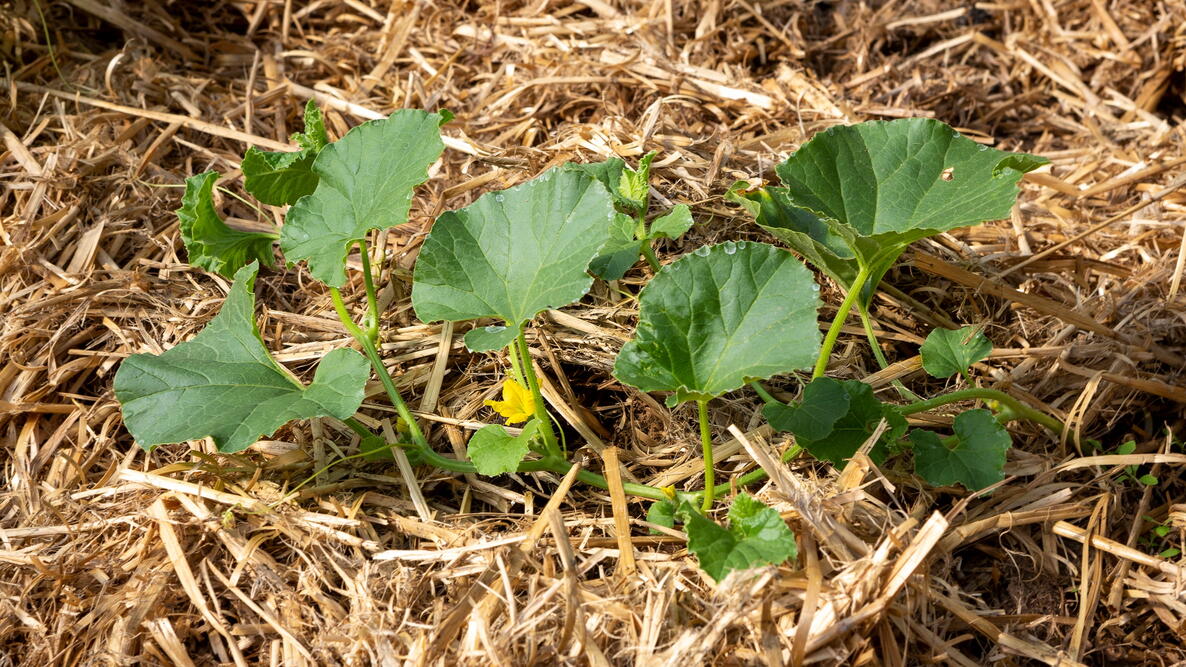
Using straw as mulch in the garden saves money, crops, and sanity. (Note: Straw is not hay.) See the many benefits of mulching with straw bales in the vegetable garden.
No, I’m not Rumpelstiltskin, the cranky gnome in a Grimm fairy tale; I can’t spin straw into gold. But straw bales are inexpensive gold for gardens. I only pay $7 a bale, and the straw saves me hours of weeding, watering, and worrying. I get it from a farmer nearby. Numerous garden centers stock straw, too. Bales are huge; one will usually cover the garden. Just be sure that you are buying straw, not hay.
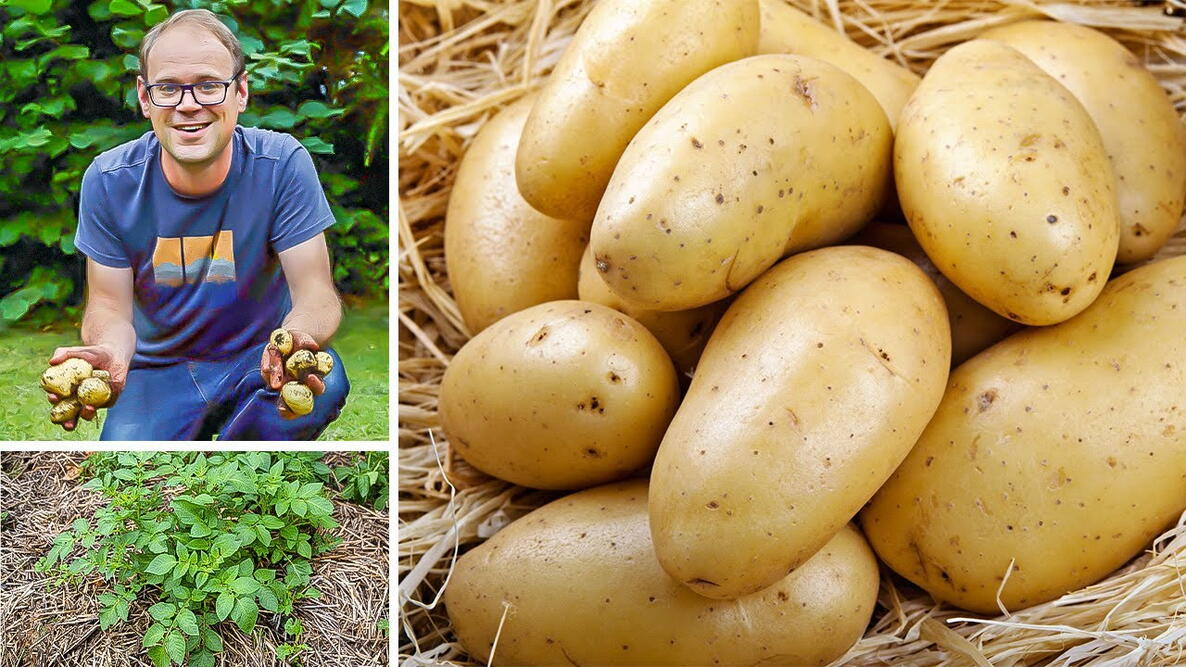
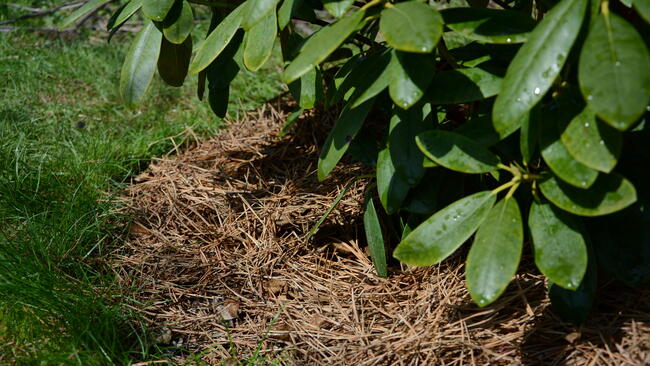
Everything in the vegetable garden is mulched with a 6-inch layer, including blueberries, Alpine strawberries, and cranberries. I use a foot or two of straw atop the potato bed to grow clean potatoes that can be easily harvested. Tubers form in the straw, and crops are always bigger when I use the straw mulch.
Straw is Not Hay
First, let me explain that straw is not hay. You don’t want to use hay, as it will cause nightmares and plenty of weed pulling. Hay is a grass that is primarily grown and cut for livestock. It is difficult to cut hay without at least some of the grass going to seed.
According to the University of Maryland Extension Service, “Straws are the dry hollow hay stalks remaining after cereal crops such as wheat or barley have been harvested. They contain few or no seed heads, especially when compared to hay”. Straw stalks don’t compact or mat. They’re also slow to decompose and don’t tie up nitrogen or other nutrients in the soil, making the perfect mulch.

Photo: OlgaSolo
The Benefits of Straw Mulch
1. Straw Lets You Water Less Often
A thick blanket of straw keeps the moisture in the soil, radically slowing evaporation. Watering the garden once a week will be the norm rather than every day or two. They dry out a lot slower in hot, sunny weather.
If you live in an area of the country experiencing a rainfall shortage or drought, straw mulch is gold! I do. We’ve received only a tenth of normal rainfall and had a huge snow shortage last winter. The ground is so dry that it’s cracking in spots. But despite high temperatures and a lack of rain, I water the vegetable garden only once a week.
2. Straw Mulch Reduces Weeds
Straw blocks out the sun, preventing most weeds from germinating and growing. First, remove the weeds from your garden bed. Then, lay down the straw immediately.
If you’ve already seeded your vegetables, don’t lay straw on top of the seeds or seedlings. But everywhere else, there is exposed ground; lay down a nice thick layer of straw
It will not only keep weeds from growing but also keep the soil moist, soft, and workable.

Photo: Volodymyr Nikitenko
3. Straw Mulch Reduces Pests and Diseases
Straw also saves crops like tomatoes, peppers, and squash from developing blossom-end rot and cat-facing, blueberries from shriveling, and sweet peppers from turning hot.
Soil moisture stays even, and calcium can be transferred from the soil to tomatoes easily, preventing diseases.
Straw mulch at the base of tomato and pepper plants also prevents the transfer of soilborne diseases such as early blight to plant leaves. No water splashes up from the soil to the leaves because the straw absorbs it.
A thick straw mulch also fosters the growth of large pumpkins, winter squash, and watermelons. The mulch provides a clean blanket upon which melons and pumpkins can grow unblemished.
4. Straw Mulch Increases Nutrients in the Soil
Straw decomposes like any other organic material, but it’s much slower. As straw rots, it releases nutrients, feeding the plants growing in it. Straw actually makes your garden better. Genius, right?
Have you used straw for mulch? What other materials do you use to hold moisture in and prevent diseases?

More Like This
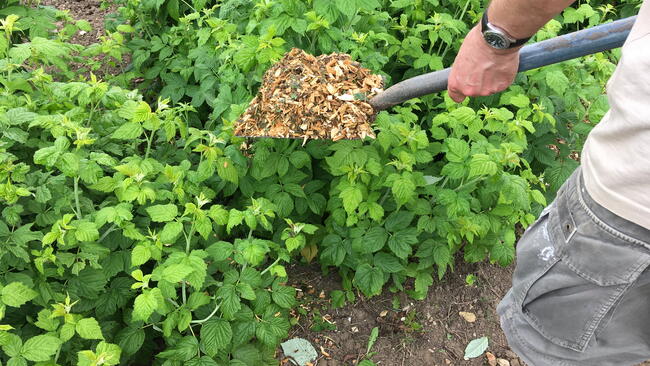
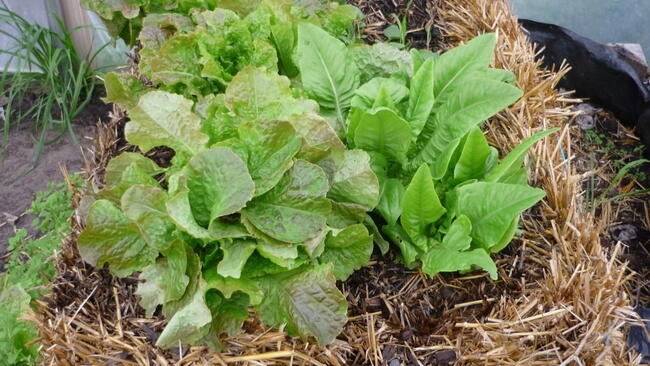
A thick layer seems to hold itself together. I've never had a problem with wind, and I live an area where it gets very gusty. After I apply the straw, I soak the area throughly to keep it from blowing. After that, I don't to a thing.
Plant potatoes 4-6 inches deep in the soil. As sprouts with leaves appear, bury them with straw. Keep doing that until you have a straw layer at least 18 inches tall. Higher will produce more potatoes. Always leave the top two sets of leaves on each stem unburied so they can use sunlight for photosynthesis.
Neither will kill nut grass. Best way to kill it and all the rhizomes that make it spread is to douse plants with 20 percent agricultural-grade white vinegar in early spring before planting.
- « Previous
- 1
- 2
- …
- 10
- Next »

Comments