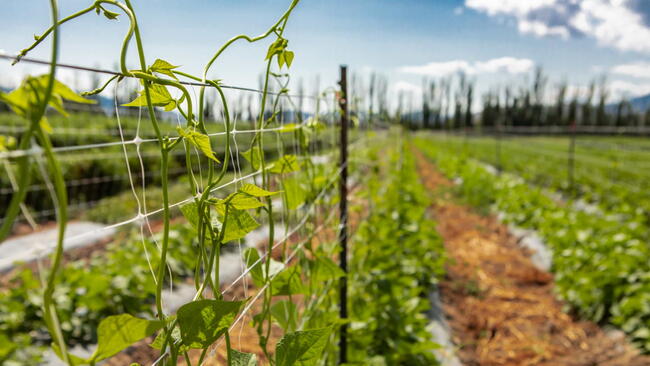
Growing plants vertically is one of the easiest ways to maximize garden space and improve harvests. Trellises, stakes, tepees, and support frames help climbing vegetables such as beans, peas, squash, and cucumbers grow upward instead of sprawling across the ground. Not only do plant supports make harvesting easier, but they also improve air circulation, reduce disease problems, and create an attractive garden display. Learn how to build simple DIY trellises and supports for climbing plants, along with tips for choosing the best structure for your garden.
Best Supports for Climbing Plants
| Support Type | Best for | Difficulty | Cost | Benefits |
|---|---|---|---|---|
| Bamboo Tepee | Beans, peas | Easy | Low | Simple and attractive |
| Stakes and Canes | Tomatoes, peas, beans | Easy | Low | Quick setup |
| Cattle Panel Trellis | Beans, cucumbers, squash | Moderate | Moderate | Extremely durable |
| A-Frame Bean Support | Pole beans | Moderate | Moderate | Easy harvesting |
| Wire Trellis | Peas, cucumbers | Easy | Low | Space-saving |
| Arbor or Arch | Grapes, roses, gourds | Advanced | Higher | Decorative and functional |
Types of Plant Supports
Stakes and Canes
The simplest supports include sturdy stakes, poles, and bamboo canes. Push them securely into the ground at the base of plants to offer an immediate vertical hook for vining veggies to grip onto. You may need to tie in young plants to their supports at first to encourage them in the right direction.
Canes or poles can be arranged in traditional rows with a horizontal cane linking the tops to create a rigid structure. With string, twine, or wire, tie in the canes where they cross.
Bamboo Tepees
Or why not create an attractive bamboo tepee? Space four to eight canes or poles around a circle marked out in the ground. Tie the canes together about a foot from the top using string or wire. Bamboo and willow tepees are perfect for climbing peas and beans, while taller, sturdier tepees made of thicker poles are recommended for heavier climbers such as squashes and melons.
Trellises and Arches
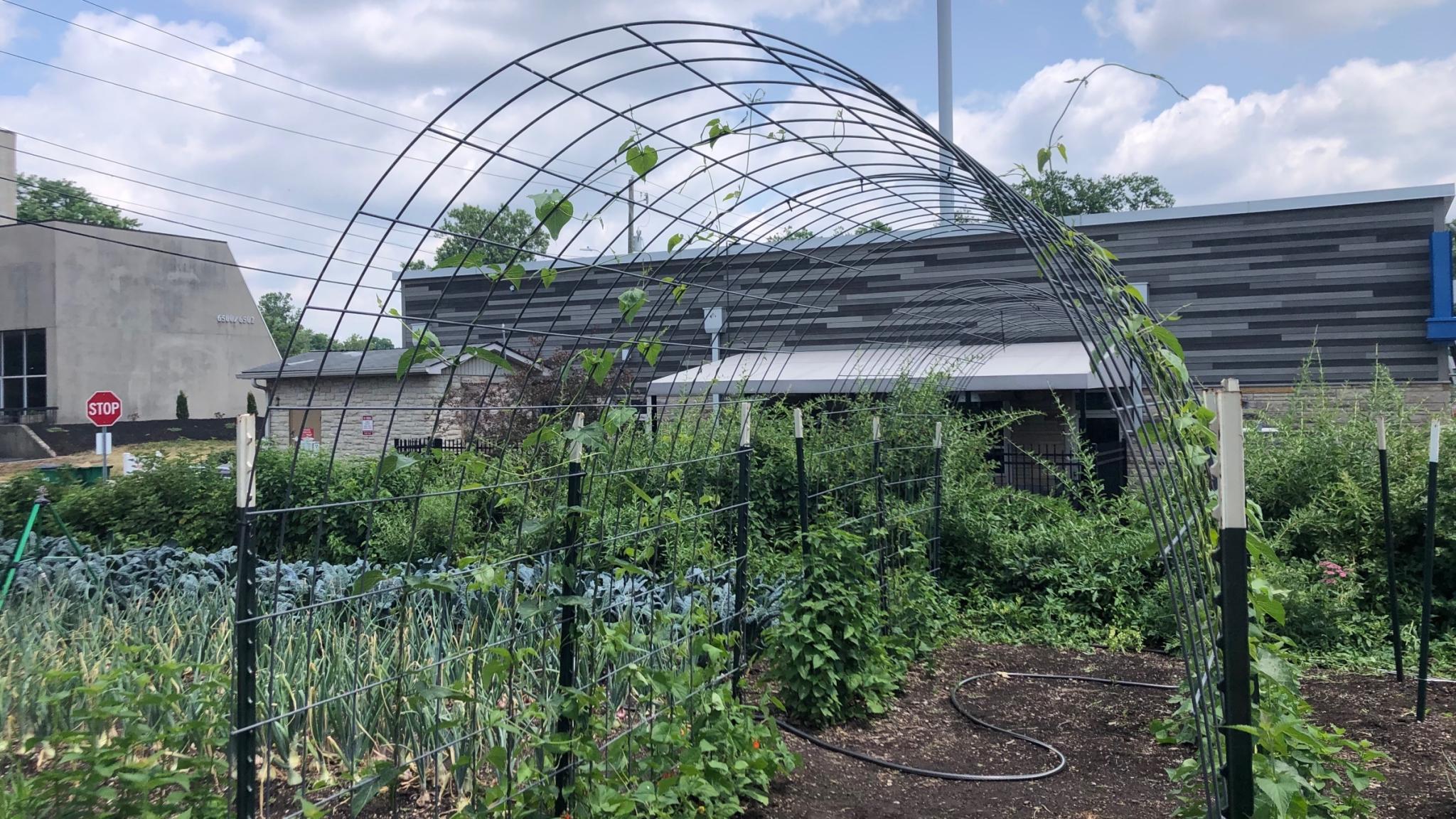
Use trellises for growing beans, peas, squashes, and more. A simple cattle panel trellis does the job effectively for a reasonable cost. It’s a wire arch made from a piece of common farm fencing you can find at a Tractor Supply or other farm supply store. The panel is bent into an arch and attached to stakes hammered into the ground.
How to Build the Ultimate Bean Frame
We’ve discovered the ultimate solution for growing beans, using bamboo canes positioned in such a way that the pods hang outward, away from the frame, which makes them much easier to spot and pick. The stems are also less likely to grow into a thick, tangled mess.
We demonstrate how to make the bean frame in the video.
To make the frame you will need the following materials and tools:
- Two lengths of timber: 2” x 2” x 32”
- Two lengths of timber: 1” x 2” x 5’
- Two lengths of timber: 2” x 2” x 7’4”
- Two 4” screws
- Two 2.5” screws
- Screwdriver
- Drill with drill bit to match width of the screws
- Sandpaper
- Pencil
- Tape measure
- 12 or 14 bamboo canes, 7’ long
- Garden wire or string
How to make the frame:
- Start by sanding down any rough edges to the timber using the sandpaper. Now join together the top of the frame, screwing the 5-foot lengths of timber to the 32-inch lengths. To prevent the wood from splitting, drill pilot holes 1 inch in from both ends of the two 5-foot lengths of timber. Screw these to the ends of the 32-inch lengths using the 2.5-inch screws.
- The rectangular top of your frame is now ready to screw to the 7-foot 4-inch uprights. Measure and mark halfway along the two 32-inch sides of the top section. Drill pilot holes through these two points. Screw the top section to the uprights using the two 4-inch screws.
- Next, dig two holes to accommodate the uprights. Then lift up the frame and bury the uprights into the ground, backfilling the holes and firming in with your boot to get a good, tight finish. A hole that’s at least 1 foot deep will work best.
- Set the bamboo canes at equal distances along both sides of the frame. Push them into the ground to get an even finish along the top of the frame, and tie them in with wire, twine, or string.
- Now plant your beans, one to each cane. It won’t take long for the stems to latch onto the canes and begin twining round.
Share Your Ideas
Climbing vegetables are a must for gardeners looking to pack more into their plot. If you’ve got any ideas for home-made supports please do share them by dropping us a comment below!

More Like This

If your climate allows you to have fall plantings, then no problem! You can certainly use the seed from an earlier crop of the same year to plant again later on, as long as they had been harvested/stored properly. One thing you do have to be aware of is that if your bok choy was a hybrid, then its seeds may not come true, meaning that the offspring may not have the same characteristics as the parent plant. Planting in late summer will give you a fall harvest. Or, if your climate allows, you can plant in fall for a winter harvest. Be sure to keep soil cool and moist in the summer to reduce stress for these cool-loving plants and deter bolting. Good luck!
- « Previous
- 1
- 2
- …
- 10
- Next »
