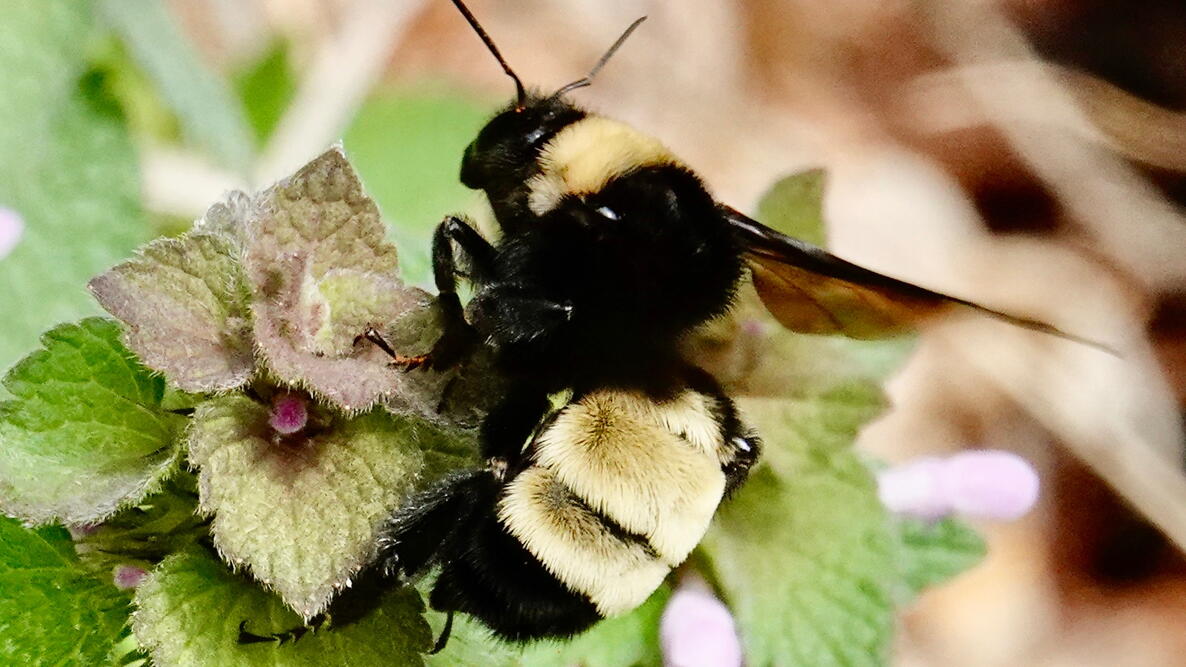
Caption
American bumblebee queen on red dead-nettle. Hanover County, VA.
Bumblebees are among the hardest-working pollinators in the garden—and they’re much gentler than most people think. From buzz pollination to their surprising nesting habits, these fuzzy native bees help tomatoes, peppers, berries, and hundreds of wildflowers thrive. Here are 10 fascinating bumblebee facts, plus tips for attracting more of these important pollinators to your yard.
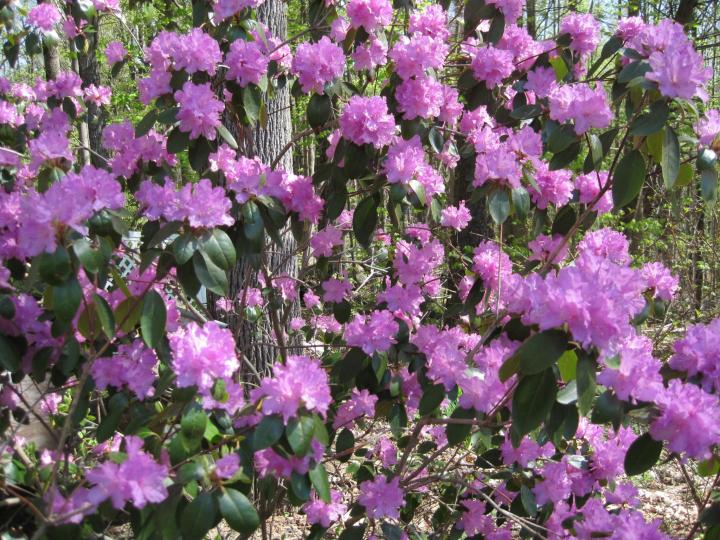
After reading about the drastic decline in bumblebee populations in my state, I feared I would not see the black-and-yellow bombers this spring, so I was greatly relieved when they visited my early-blossoming ‘Purple Gem’ and ‘Olga Mezitt’ rhododendrons.
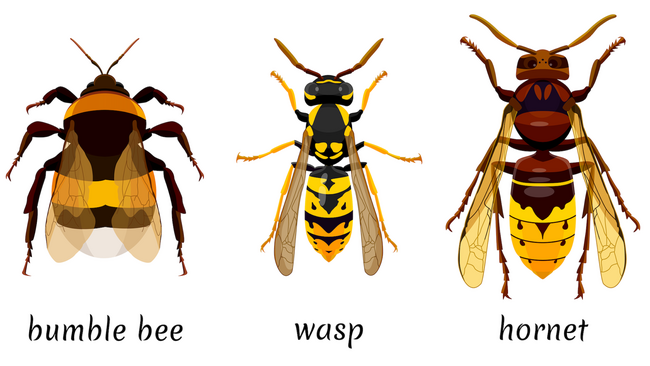
There were so many bumblebees, and they moved so fast from flower to flower in search of pollen and nectar that it was hard to get one to stand still long enough to get a good picture. They are fast workers and, because of their larger bodies, can carry larger loads. Learn the difference between bees, wasps, and hornets.
1. Are Bumblebees Good Pollinators?
Yes! Bumblebees are excellent pollinators—much more efficient pollinators than honeybees, in fact. They mainly forage for pollen rather than nectar, and transfer more pollen to the pistils of the flowers with each visit.
Many crops are well suited to natural pollination by bumblebees, including cucumbers, peppers, tomatoes, seed crops, strawberries, blueberries, raspberries, melons, and squash. They are especially attracted to tube-shaped flowers, and some flowers have evolved to be pollinated almost exclusively by these beefy bees.
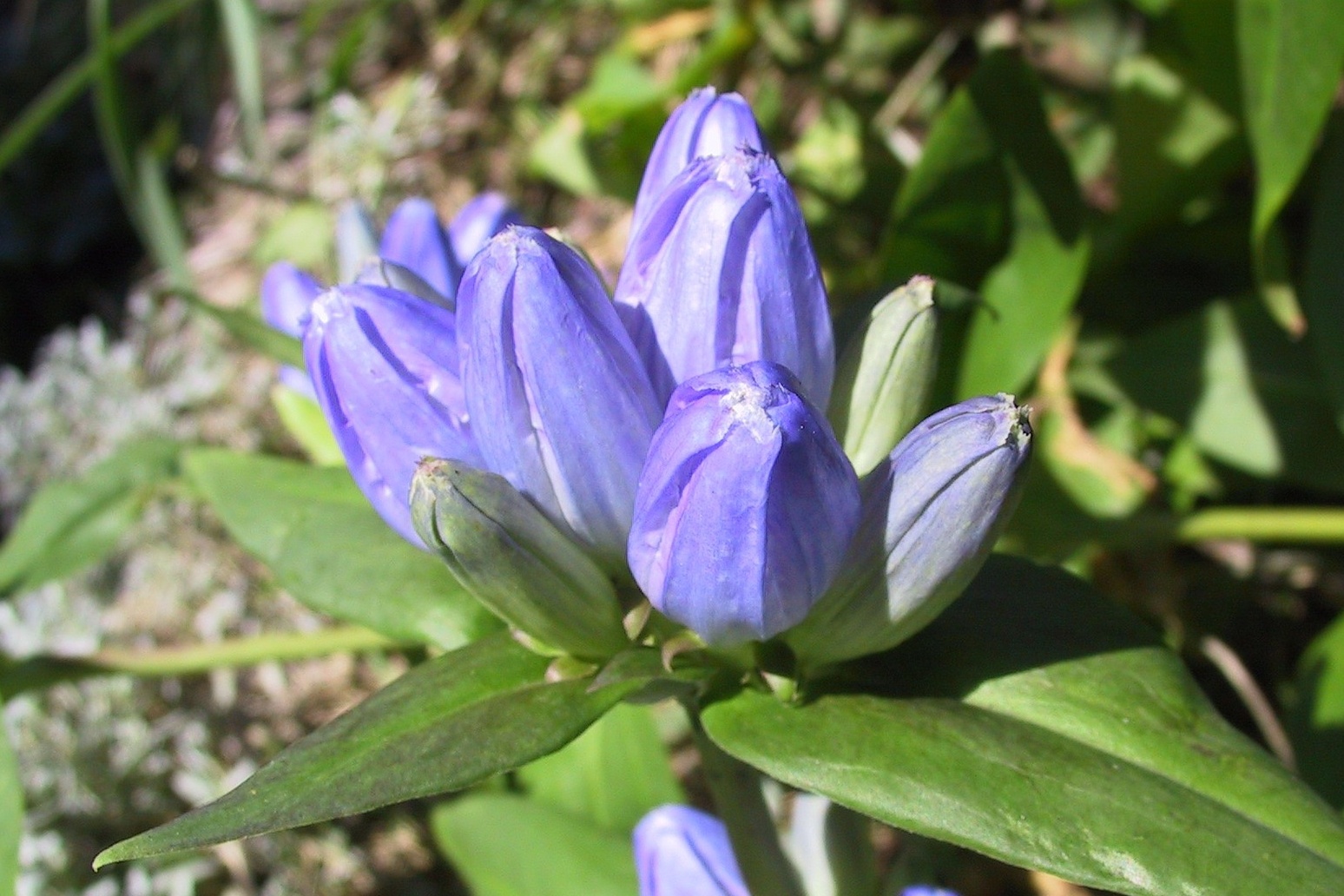
The bottle gentian (Gentiana andrewsii), for example, has developed bottle-shaped flowers that never open fully, which means that a strong bee must pry its way into the flower to pollinate it.
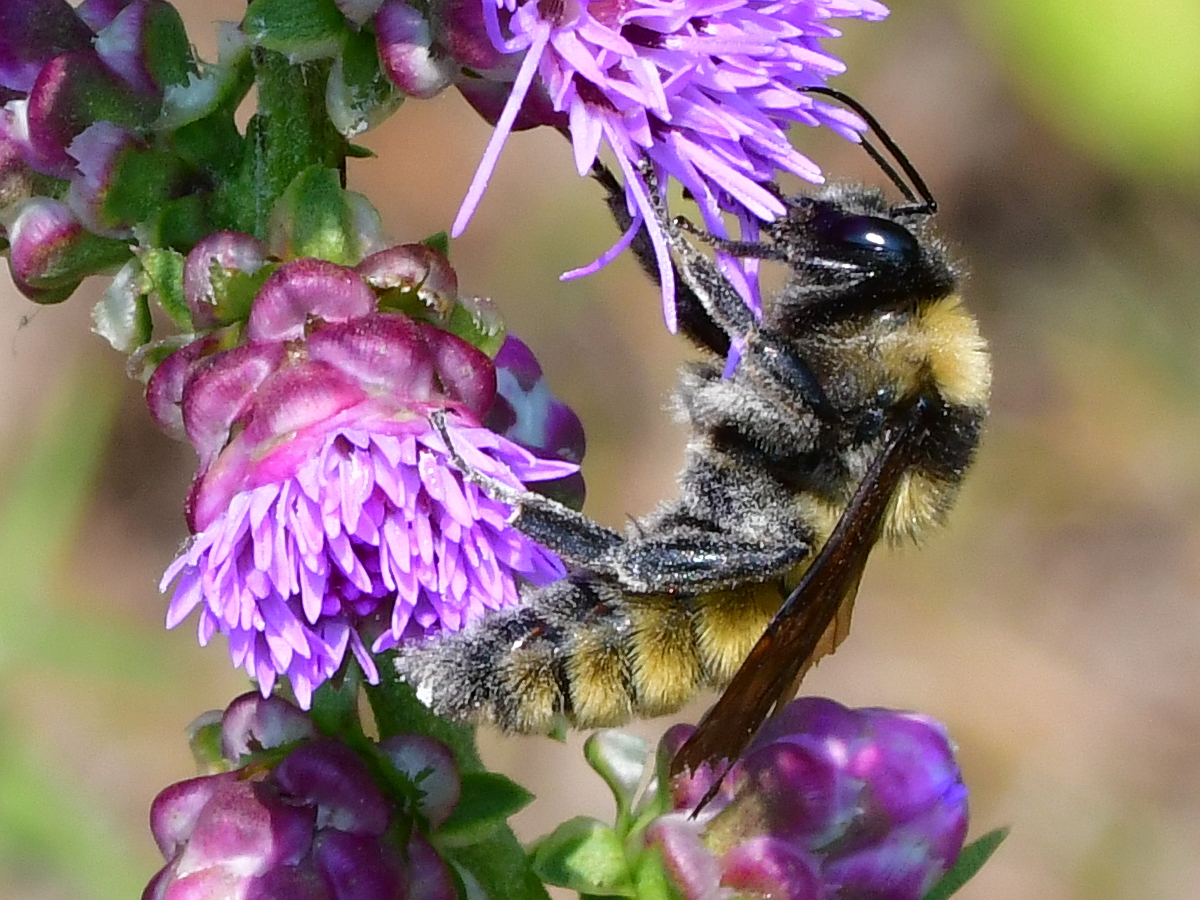
Female worker bees do the collecting of nectar and pollen. They perform a unique service called “buzz pollination” by grabbing the pollen-producing part of the plant in their jaws and vibrating their wing muscles to loosen trapped pollen. Bumblebees’ wings beat more than 130 times per second!
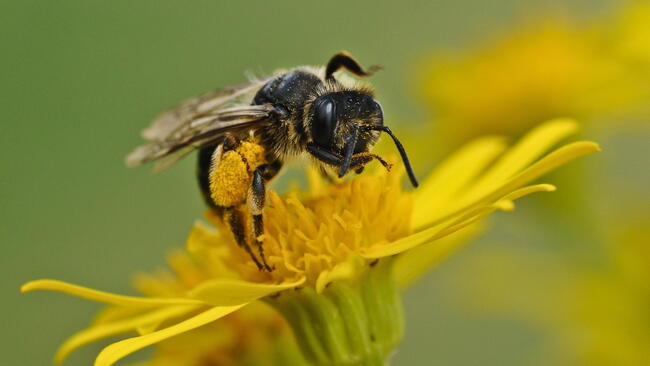
If you can get one to hold still long enough, look closely, and you’ll notice the pollen basket (or “corbicula”) on its rear legs, where it stashes a load of pollen to carry back to the nest. Crops such as tomatoes, peppers, berries, and cranberries bear better fruits if they are buzz-pollinated. The flowers on berries are enclosed, so it takes a bumblebee’s long “tongue” to get to the plant’s nectar.
2. Which Flowers Attract Bumblebees?
Bumblebees have to work harder than ever to find food and shelter due to habitat loss and the overuse of pesticides.
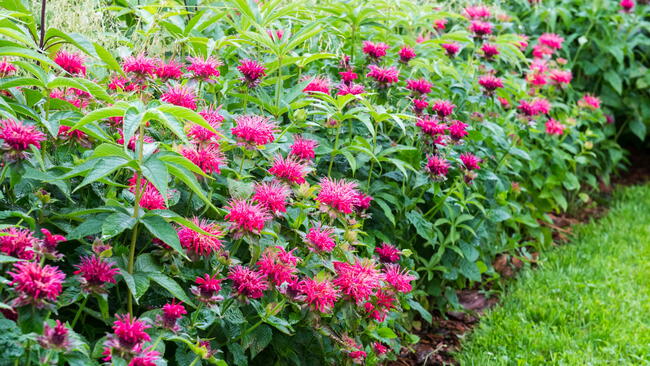
To attract bumblebees and other native bee species, consider native plants—such as asters, coneflowers (Echinacea spp.), lupines, bee balm (Monarda spp.), and spring ephemerals. However, bumblebees are not fussy; anything that produces nectar and pollen works for them! If you plant even a small area or a few containers with flowering plants, the bees will find them.
Plan your garden to have a long season of bloom. Bumblebees are able to fly in cooler temperatures and lower light conditions than other bees, making them among the first pollinators you’ll see in the spring and the last ones flying in the fall. Unfortunately, this ability also makes them more vulnerable to agricultural pesticides and herbicides, which are usually sprayed in the early morning and later in the day to avoid harming the honeybees that are active during the middle of the day. See the best flowers for bees.
- For spring, try planting crocuses, Virginia bluebells, lungwort, comfrey, hellebore, California poppies, columbine, low-growing phlox, or spring ephemerals.
- For early and late summer, plant coneflowers, sunflowers, black-eyed susans, bee balm, gentian, larkspur, or tall phlox.
- For fall, when it gets harder to find nectar, try planting fall bloomers such as salvia, wild geranium, anemone, basil, chives, cilantro, and parsley.
3. How Do Bumblebees Fly?
There are about 45 species of bumblebees (Bombus) in the United States alone. These large bees are round and fuzzy with short, stubby wings.
You have to wonder how these big round bees fly so well. A recent study showed how the tiny wings keep the bees aloft: Bumblebees flap their wings back and forth rather than up and down. Apparently, bumblebees’ wings are more similar to a helicopter propeller than an airplane.
4. Do Bumblebees Make Honey?
Yes, but not enough to be a source for human consumption. Bumblebees make a small amount of honey, just enough to tide them over a few days of bad weather. They can maintain about a week’s worth of food in their bodies, so they need to forage regularly to survive. Early-blooming trees and shrubs, like fruit trees, pussy willows, and serviceberry, are especially necessary to give the newly emerging queens some nourishment as they wake up and start their new colonies. The whole hive dies off in late fall, leaving just new, mated queens to start new colonies in the spring. If even one new queen dies, a whole potential colony will be lost.
Despite the fact that they don’t produce much honey, the pollination service that bumblebees provide is worth far more than any amount of honey!
Want to raise honeybees? Check out our Guide to Beekeeping.
Honeybees vs. Bumblebees
| Bumblebee | Honeybee |
|---|---|
| Native | Introduced from Europe |
| Small colonies | Large hives |
| Buzz pollination | Cannot buzz pollinate |
| Makes very little honey | Produces surplus honey |
| Nests underground | Lives in hives |
5. Do Bumblebees Sting?
Bumblebees rarely string, though they are able to. They are generally very docile. They do not form swarms like other communal bees, and they only sting when truly provoked.
Only female bumble bees have stingers. But they are so good-natured that getting a female to sting you is a major undertaking.
According to BumbleBee.org, a bumblebee will even warn you before it stings. It will stick up a middle leg if it’s annoyed by your presence, which means “back off!”.
They will really only become aggressive if you are bothering their nest. Bumbles can sting more than once, however, their sting lacks barbs and a stinger is not left behind.
Ever noticed how bumblebees just “bumble around” in the early morning, moving slowly? Their Teddy-bear fur and their ability to regulate body temperature allows bumble bees to be out and about on cold mornings, but they can’t fly until they have warmed up.
At this point, they may even sit quietly in your hand and let you gently pet their furry bodies.
6. So, Are Bumblebees Friendly?
We can’t speak to human-bee friendships, but bumblebees are naturally social bees, living together in groups called colonies. According to the National Wildlife Federation, colonies may contain between 50 and 500 individuals, whereas honeybee hives may have 50,000!
7. Where Do Bumblebees Live?
Bumblebees have small nests, between the size of a baseball and a softball. Unlike a honeybee hive, bumblebees usually nest close to the ground or even underground, in stone walls, under clumps of grass, or in hollow trees and stumps. Abandoned mouse holes are a favorite since they come complete with a warm fur lining.
Bumbles stay close to home. After foraging at various flowers, they carry their collected pollen and nectar back to the nest to feed.
Unlike honeybees, the bumblebee colony dies in late fall. The queen (who rules the colony) is the only member of a bumblebee colony who can survive the winter! She hibernates underground during the winter months and starts a new colony in the spring.
8. Do Bumblebees Sleep?
Yes, of course! Male bees will also sleep outside, after they leave the nest (never to return). Sometimes, it’s the female who’s caught outside the nest because the temperature cooled so rapidly that she couldn’t fly back; she’ll wait until morning to bring her pollen back to the nest. Usually, you’ll find resting bumblebees under flowers or even inside them!
9. Bee Populations Are in Decline. Are Bumblebees in Trouble, Too?
Yes. Many bumblebees are listed as endangered, vulnerable, or near threatened.
A few years ago, the rusty patched bumblebee (Bombus affinis) was the first bee listed as an endangered species in the continental U.S., and it is thought to be extinct here in New Hampshire—the last recorded sighting of it was in 1993! According to the Dept. of Agriculture, the decline in bumblebee populations can be blamed on the 5 “P’s”—parasites, pests, pathogens, poor nutrition, and pesticides.
10. How Do I Attract Bumblebees to My Yard?
If you notice a lack of bees in your yard, consider whether your neighborhood uses a lot of pesticides in their lawns and gardens. You may have your answer!
At a minimum, try to eliminate pesticides from your garden. A group of insecticides called neonicotinoids have been shown to have a devastating effect on all types of bees. It is a systemic insecticide that can come from pre-treated seeds or sprays applied to bedding plants. The chemical is present in every part of the treated plant—flowers, stems, leaves, etc. Buy organic whenever possible or ask your local nursery to make sure that no systemics were used on the plants you are purchasing.
To provide nesting sites, leave some part of your yard a little wild and brushy. Don’t mow or rake there, and leave some plant stems standing over the winter to give the new queens places to hibernate and spots to establish new colonies in the spring.


Please don't buy them. Bumblebees that have been commercially raised have been shown to introduce parasites, viruses, and other diseases not only to native bumblebees but to honeybees as well. Penn State has done extensive testing of commercial bees and found most of them to be infected even though the companies selling them claim that they are disease-free. Better to make your yard enticing to bumblebees by providing the habitat and food sources they prefer. It may take some time but if you plant it they will come.
Worker bees live for just a few weeks so you may be seeing some of those that have died. When fall approaches the males leave the nest looking to mate and many of those die as well. Not to diss the lawn care pros but they do spray a lot of chemicals around to make the grass look perfect. It might be worth asking them exactly what chemicals they are using.
Carpenter bees look like bumblebees but are from a different genus Xylocopinae, not Bombus. Bumblebees nest in the ground not in wood.
- « Previous
- 1
- 2
- …
- 10
- Next »

Comments