Caption
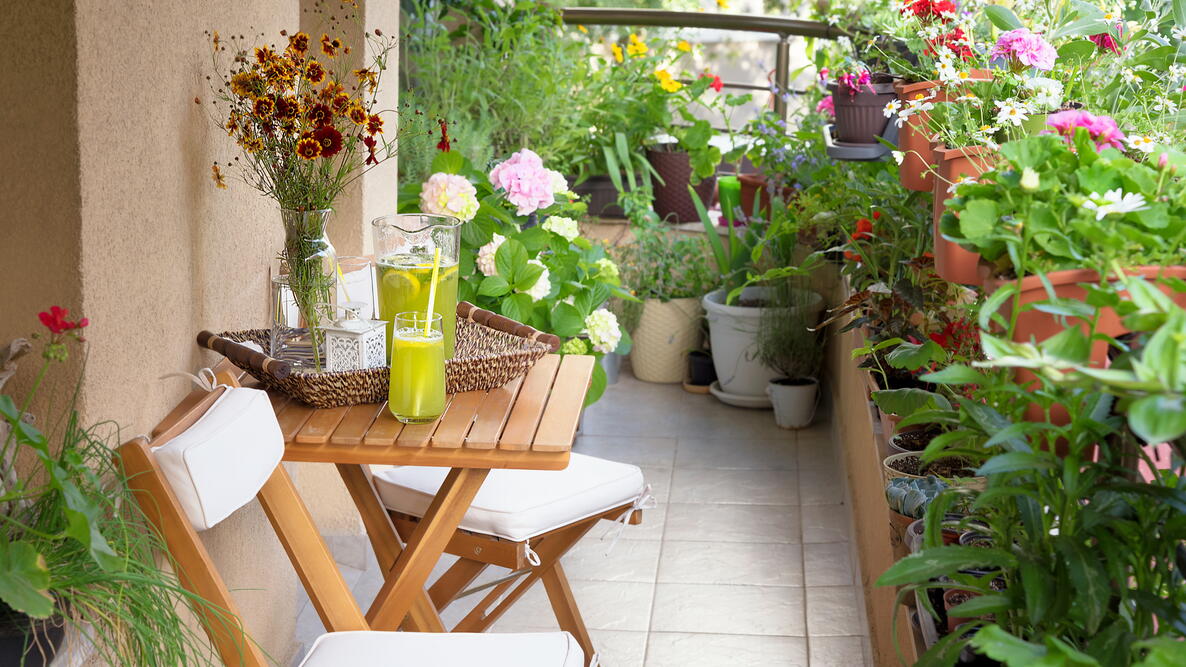
Beautiful terrace and balcony garden
How do you start a balcony garden in an apartment, townhouse, or condo without a yard? Balcony gardening makes it possible to grow vegetables, herbs, flowers, and plants in small urban spaces using containers. If you have a balcony, rooftop, terrace, or patio, you can create a thriving container garden with the right planning and setup. Here are 10 important things to consider before starting balcony or rooftop gardening.
10 Things to Consider When Balcony or Rooftop Gardening
1. Check Building Rules
Before you begin, be sure to check the rules for your building. Some buildings don’t allow any plants on balconies or only allow flowers (as vegetables may attract birds or pests).
2. Balcony Weight Limits
Terra cotta and ceramic pots are heavy, so you might need to use resin pots, plastic or fiberglass containers, or fabric grow bags combined with lightweight soil mixes.
3. Water Access for Plants
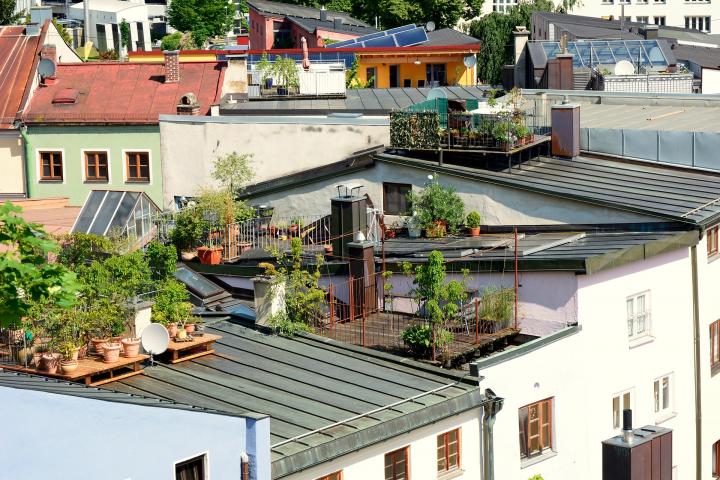
If you are growing on a rooftop, it is a long way to be lugging jugs of water! You might want to consider drip irrigation or self-watering pots. You can also invest in a watering can that is easy to fill from the bathtub.
Will excess water from your plants rain down on neighbors below? Be courteous and put saucers or trays under your plants to collect the overflow.
4. Best Plants for Balcony Gardening
Choosing the right plants for your site is most important. Don’t waste space on something that is not going to thrive. The amount of sunlight is the most critical question.
- Does your balcony face south and receive DIRECT sun all day long? Cacti, many flowers, and most vegetables—if kept well-watered—will love it there.
- If your balcony faces north or is shaded by other buildings for most of the day, look to low-light plants such as coleus, ferns, impatiens, hostas, and begonias.
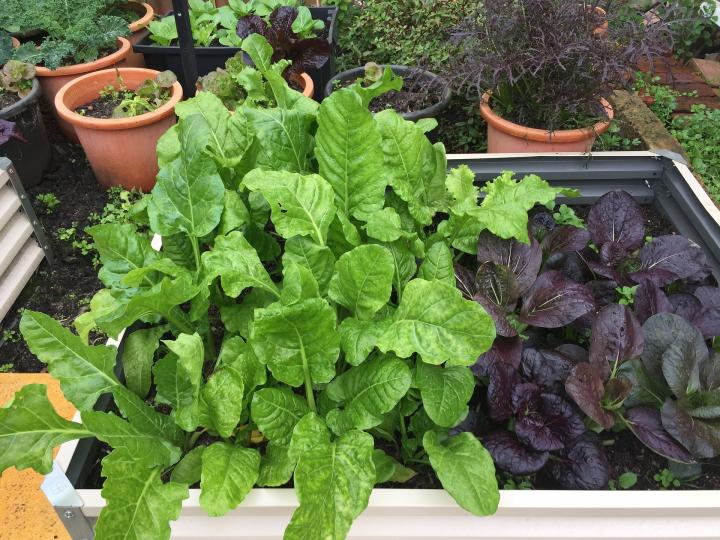
- Some greens like chard, spinach, or lettuce can grow with less than a half day of sun. Some herbs manage, too, which is great for culinary uses!
Many people overestimate the amount of sun they get. Keep in mind that most veggies need a minimum of 6 to 8 hours of sun a day to really grow well and produce!
5. Wind Protection
Be aware of any extreme conditions. The higher up you are, the more wind you are likely to have, and hot drying winds can quickly parch your plants. Get double-duty from a lattice or wire trellis that can block prevailing winds while providing support for climbing vines, too. It will also add a touch of privacy. Since the wind is drying, you really have to stay on top of watering. Look into self-watering pots.
Some of your houseplants might appreciate an outdoor summer vacation. Expose them gradually to their new location to avoid the sun and windburn on the leaves.
6. Heat and Sun Exposure
Without the sun reflecting from windows, heat tends to be an issue. Lettuce would simply wilt. If heat is an issue, maybe go exotic with tropical plants! Just one pot of alocasia, banana, or canna can impart a jungle feel to the space. Succulents will thrive!
Think of your balcony as a tiny outdoor room. If you have space, add a table and chairs and enjoy sitting among the greenery. If your location is too noisy, a burbling fountain or some wind chimes may help add a bit of soothing sound to the background noise.
7. Space and Layout
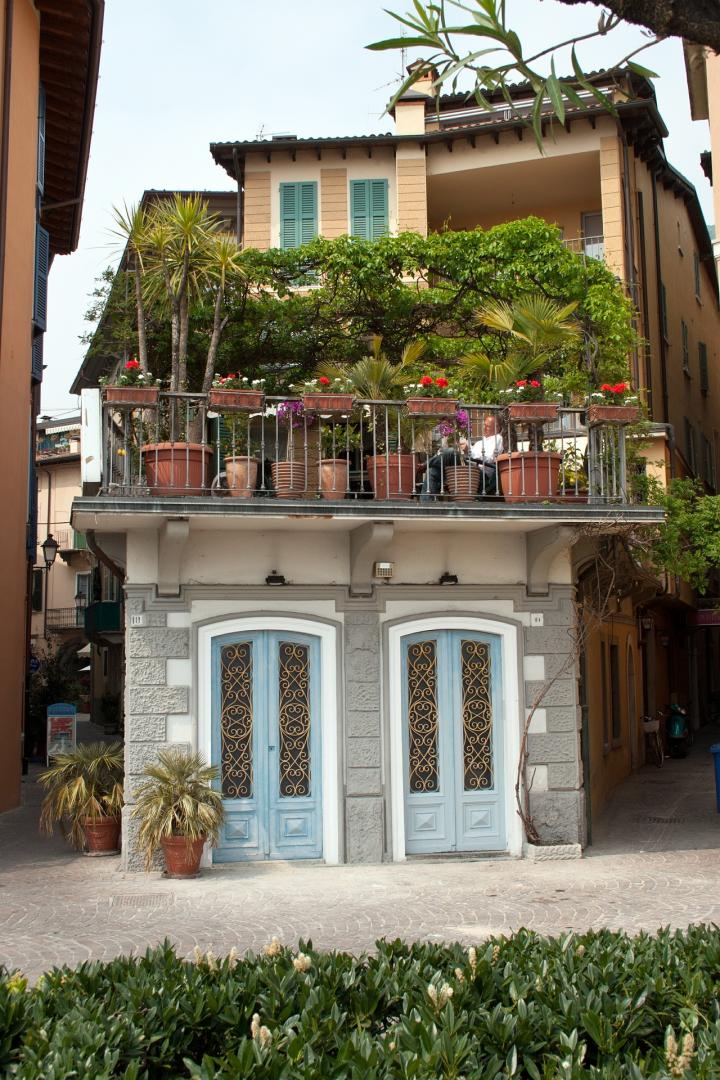
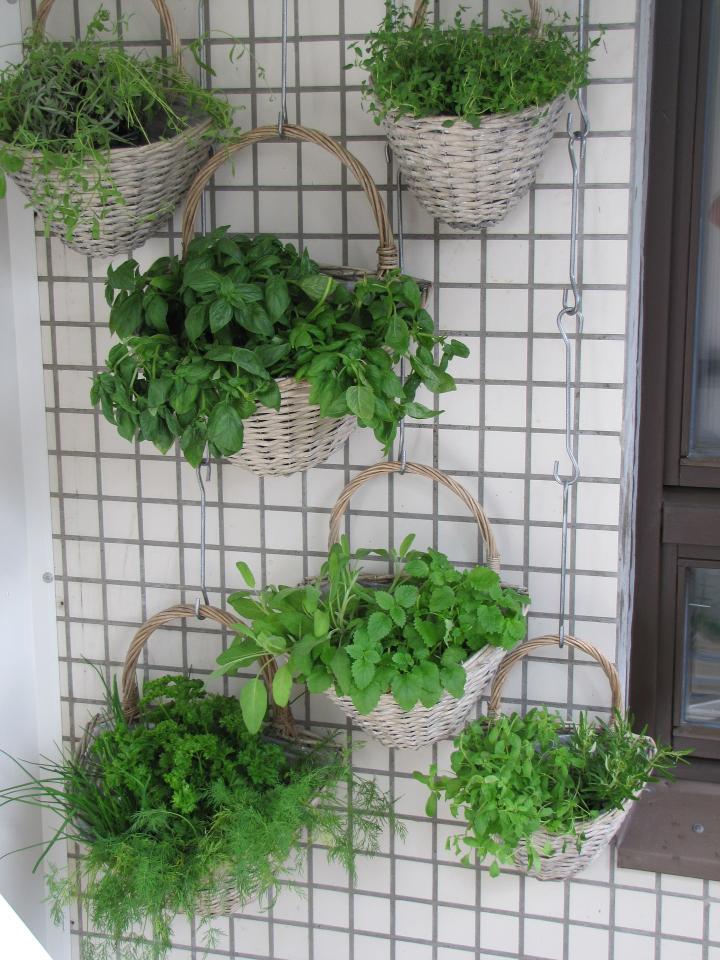
If it’s small, we would suggest starting small. Yes, you can eventually think of vertical gardening, but a beginner should start with a few pots. You need to get a sense of how much time you have to garden and not overdo it. Arrange beds and larger containers around the outside edges to define the space and spread out the load. Make use of wall space to hang half-baskets and wall pockets.
8. Growing Vegetables on a Balcony
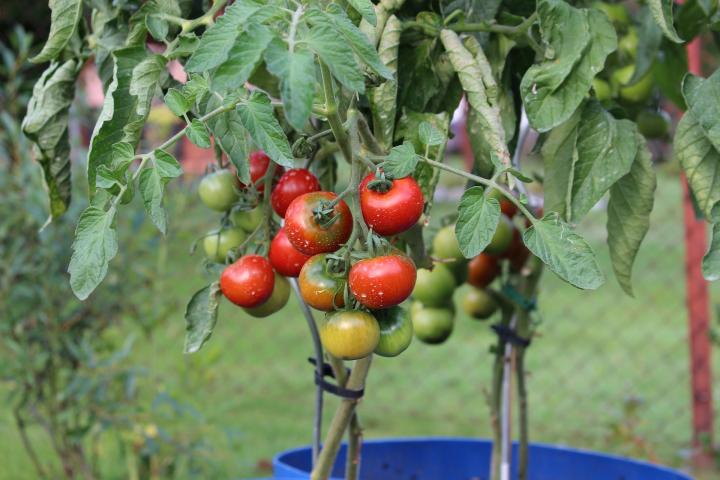
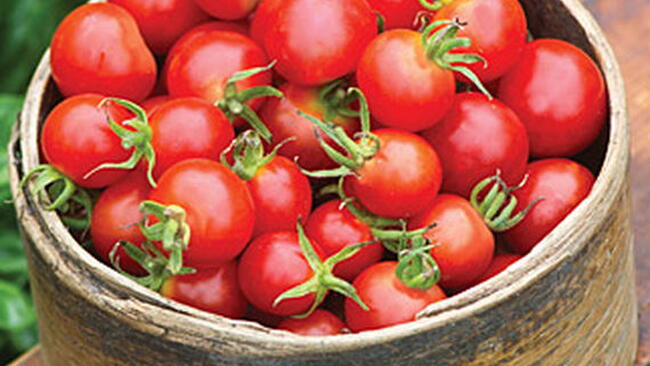
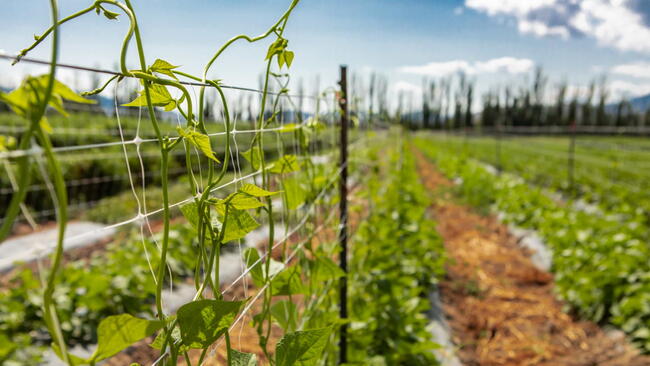
You probably won’t be able to grow enough food to meet all your needs, but some pole beans, a pot of lettuce, cherry tomatoes, and a pepper plant or two will give you a fresh taste of summer. Be sure they are located in your brightest spots. Learn more about container gardening with vegetables.
9. Time and Maintenance
Maintenance is important in a small garden. When plants are in containers instead of the earth, they need to be watered more often. This is another reason to consider self-watering pots or drip irrigation. Fertilize, deadhead, and pinch back leggy plants to keep them in bounds and encourage bushiness. Be sure vegetables get picked when they ripen to keep the plants productive.

10. Budget and Supplies
Be careful not to just buy ready-grown plants unless you want to spend a fortune. Try finding pots at yard sales. Buy seeds or ask friends to share seeds. Get discarded seed flats from nurseries. Turn coffee tins into cute containers (poking holes in the bottom). The only thing you need to truly spend good money on is quality potting soil. Regular “dirt” is not sterile and brings disease and problems. Learn how to make your own potting soil.
Small-Space Gardening Ideas
Container Gardening for Herbs and Flowers
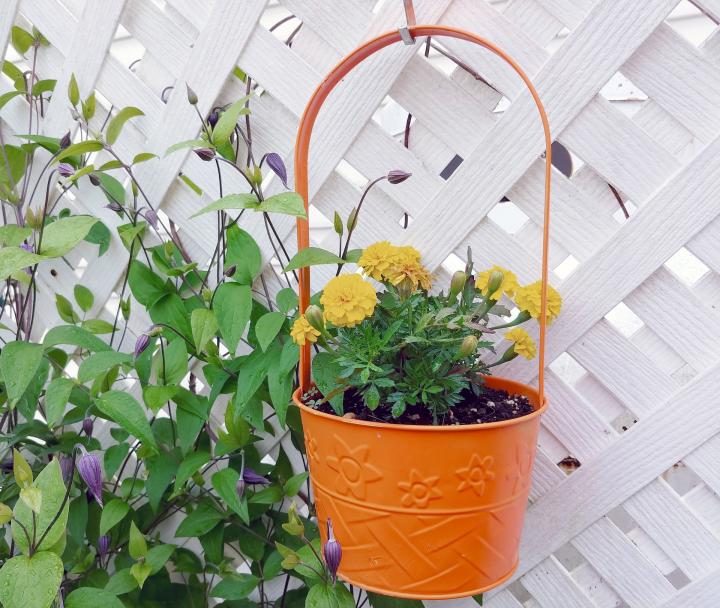
Don’t forget a container or hanging basket filled with your favorite herbs. See how to make a container gardening planter!
Window Box Gardening Tips
Even a window box, if well-planned, can still make a big impression. See our best plants and flowers for window boxes!

Start small and see how tending those plants fits into your schedule; you can always add more. Limited space and time can be challenging, but a bit of planning this winter will go a long way toward making your tiny garden a big success next summer.
Frequently Asked Questions
Can you grow vegetables on a balcony?
Yes, many vegetables like tomatoes, lettuce, peppers, and beans grow well in balcony container gardens.
How much sun does a balcony garden need?
Most vegetables need 6 to 8 hours of sunlight per day.
What are the best plants for balcony gardening?
Herbs, flowers, cherry tomatoes, lettuce, and peppers are great choices.
Are you planning to start a balcony garden this season? Share what plants you want to grow and where you live in the comments. Your ideas can inspire other small-space gardeners.
More Like This

Hi Patrick,
Herbs are definitely a good bet when it comes to indoor gardening. We'd recommend getting some grow lights to hang over your plants. Improper lighting is one of the most common problems when growing indoors. We hope this helps!

Comments