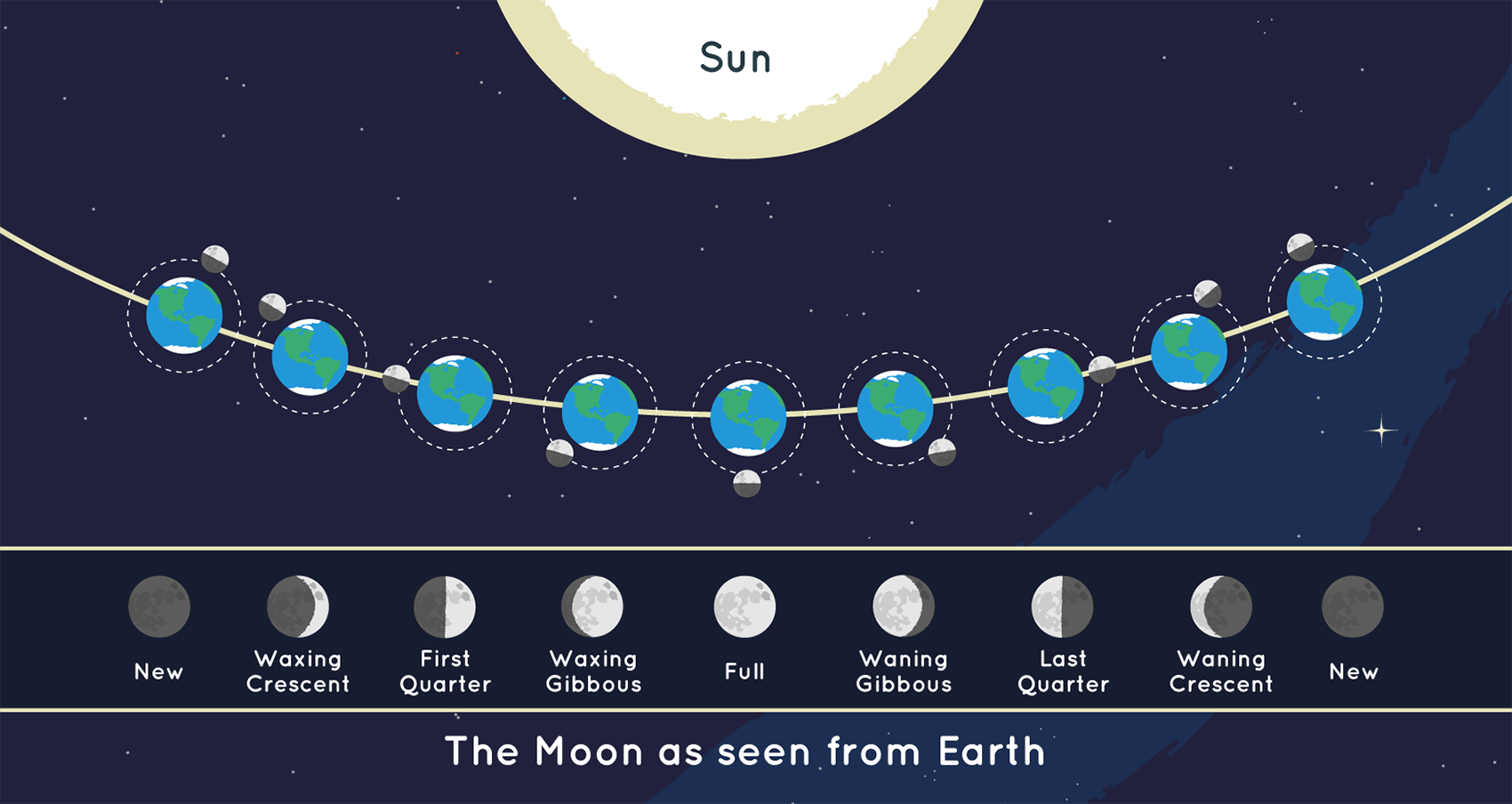
Never miss a full moon, eclipse, or meteor shower with reminders from the Almanac Daily newsletter.
When Is the Next Full Moon? Full Moon Dates for 2026 Places in Saskatchewan
Select a City in SK
- Assiniboia, SK
- Biggar, SK
- Canora, SK
- Carlyle, SK
- Carnduff, SK
- Dalmeny, SK
- Esterhazy, SK
- Estevan, SK
- Foam Lake, SK
- Fort Qu'Appelle, SK
- Gravelbourg, SK
- Hudson Bay, SK
- Humboldt, SK
- Indian Head, SK
- Kamsack, SK
- Kindersley, SK
- La Ronge, SK
- Langenburg, SK
- Langham, SK
- Lanigan, SK
- Lumsden, SK
- Macklin, SK
- Maple Creek, SK
- Meadow Lake, SK
- Melfort, SK
- Melville, SK
- Moose Jaw, SK
- Moosomin, SK
- Nipawin, SK
- North Battleford, SK
- Outlook, SK
- Oxbow, SK
- Pilot Butte, SK
- Preeceville, SK
- Prince Albert, SK
- Regina, SK
- Rosetown, SK
- Rosthern, SK
- Saskatoon, SK
- Shaunavon, SK
- Shellbrook, SK
- Swift Current, SK
- Unity, SK
- Wadena, SK
- Warman, SK
- Watrous, SK
- Weyburn, SK
- Wilkie, SK
- Wynyard, SK
- Yorkton, SK
The Full Beaver Moon, will occur on Tuesday, November 24, 2026.
Find out exactly when the next Full Moon will light up the night sky where you live. Enter your ZIP code or postal code above to get the date, time, and Moon name.
Below, you'll find a complete list of Full Moon dates, times, and names for 2026, from January's Wolf Moon to December's Cold Moon.
2026 Full Moon Tracker: Dates, Times, and Names
Although the Full Moon is a single moment in the Moon's orbit that occurs everywhere at once, local clock times (and occasionally, the date) vary by location.
See the table below showing the Full Moon dates and times for each month in 2026 in U.S. Eastern Time and Universal Time. Select a Moon name to explore its meaning and folklore.
Date | Moon Name | U.S. Eastern Time | Universal Time |
|---|---|---|---|
| January 3 | Wolf Moon | 5:03 A.M. EST | 10:03 |
| February 1 | Snow Moon | 5:09 P.M. EST | 22:09 |
| March 3 | Worm Moon (total lunar eclipse) | 6:38 A.M. EST | 11:38 |
| April 1 | Pink Moon | 10:12 P.M. EDT | 02:12 (April 2) |
| May 1 | Flower Moon | 1:23 P.M. EDT | 17:23 |
| May 31 | Blue Moon | 4:45 A.M. EDT | 08:45 |
| June 29 | Strawberry Moon | 7:56 P.M. EDT | 23:56 |
| July 29 | Buck Moon | 10:36 A.M. EDT | 14:36 |
| August 28 | Sturgeon Moon (partial lunar eclipse) | 12:18 A.M. EDT | 04:18 |
| September 26 | Harvest Moon (Corn Moon) | 12:49 P.M. EDT | 16:49 |
| October 26 | Hunter's Moon | 12:12 A.M. EDT | 04:12 |
| November 24 | Beaver Moon | 9:53 A.M. EST | 14:53 |
| December 23 | Cold Moon | 8:28 P.M. EST | 01:28 (December 24) |
How many Full Moons are there in a year? Most years have 12 Full Moons—one for each month. But every 2 to 3 years, there are 13. The second Full Moon in a calendar month is commonly called a Blue Moon.
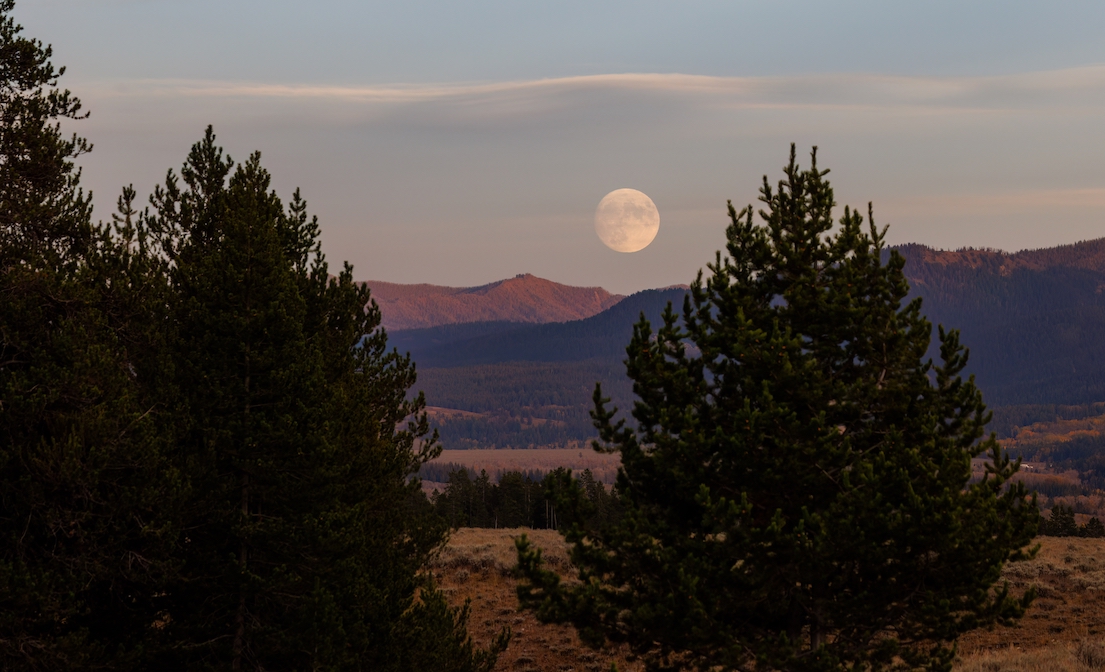
How to See the Full Moon
Look up at the sky between about sunset and sunrise to see the Full Moon in all its luminous glory. The Moon is the brightest object in our night sky, so it's hard to miss!
Although the exact moment of full illumination happens at a specific time, the Moon appears full to the eye the night before and after its peak.
When does the Moon rise tonight? Use The Old Farmer’s Almanac’s moonrise and moonset tool to find the exact time for your location.
Understanding the Full Moon
A Full Moon is one of the four primary Moon phases. It occurs when the Moon is opposite the Sun in the sky, and the side facing Earth is fully illuminated, about every 29.5 days.
For centuries, people have used the Full Moon to track seasons, guide planting, and mark religious and cultural events.
Where is the Moon in its cycle tonight? Check The Old Farmer’s Almanac’s Moon Phase Calendar.
Where do names like Wolf Moon and Harvest Moon come from? See The Old Farmer’s Almanac’s guide to Full Moon names.