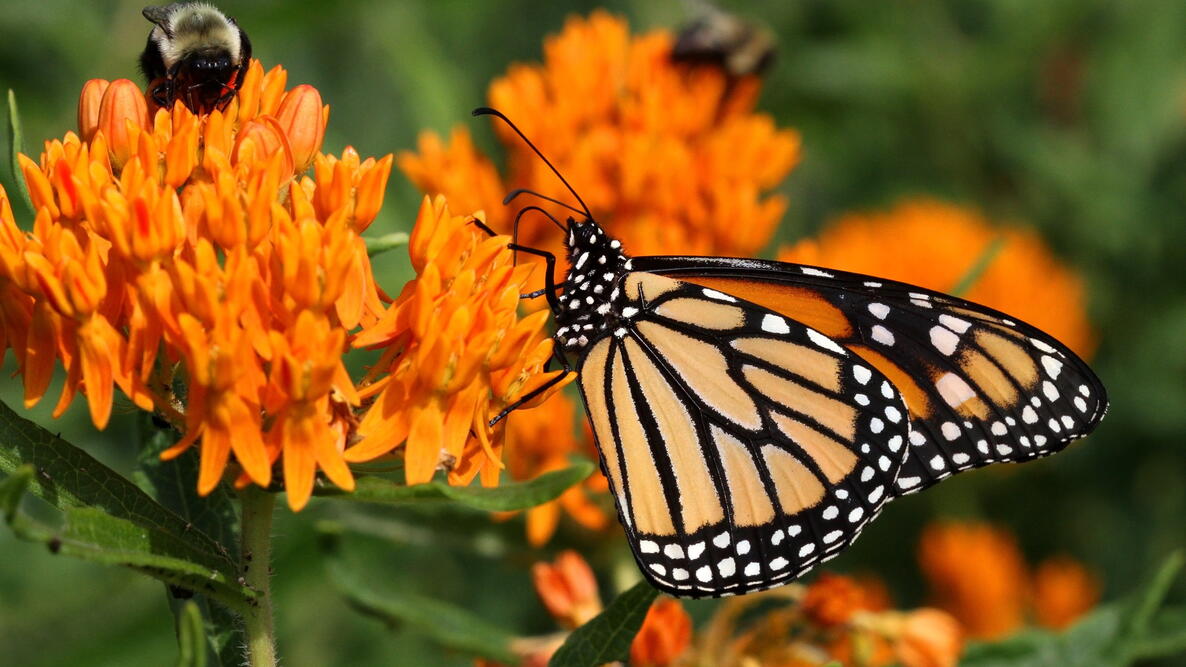
Caption
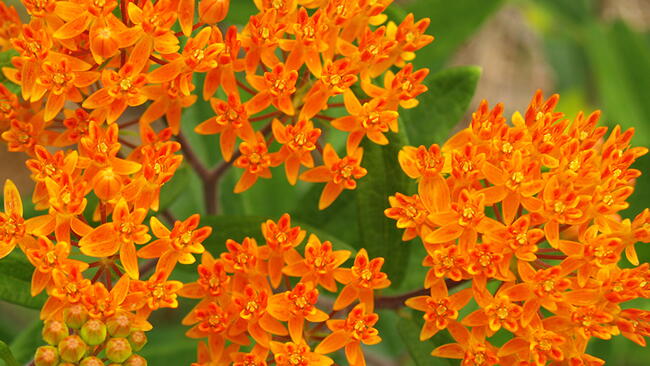
Butterfly weed (Asclepias tuberosa) is one of several native milkweed species gardeners can grow to support monarch butterflies.
Milkweed is the only host plant for monarch butterfly caterpillars, but not all milkweed species are equally suited to every garden. Native Asclepias varieties vary in height, bloom color, moisture preference, and regional adaptability. Choosing the right milkweed for your climate and growing conditions increases the likelihood of attracting monarchs while supporting a wider range of pollinators.
If you’re looking for the best milkweed to plant for monarch butterflies in your region, start with native species adapted to your soil, sun exposure, and hardiness zone. See maps showing the native ranges of many types of milkweed.
Below are some of the top milkweed varieties to consider, along with tips to help you select the right one for your own garden and landscape.

How to Choose the Best Milkweed for Your Garden
Before selecting a species, consider:
- Soil moisture – Dry and sandy? Choose butterfly weed. Damp or rain garden? Try swamp milkweed.
- Space available – Common milkweed spreads aggressively; clump-forming types are easier in small gardens.
- Sun exposure – Most milkweeds require full sun.
- Hardiness zone – Select species suited to your USDA growing zone.
For step-by-step planting and care instructions, see our complete guide on how to grow milkweed.
The Missing Monarchs
What has happened to our monarch butterflies? Their populations have declined by almost 90% over the past 20 years. Many factors have contributed to this horrific loss, including climate change, weather extremes, loss of winter habitat in Mexico, and widespread use of pesticides. While these are problems that will take years to change, one thing we can do in our own yards today is use fewer or no chemicals. A very easy thing we can do is to plant milkweed!
Not only will you help these valuable pollinators, but you’ll treasure the presence of fluttering friends in the garden!
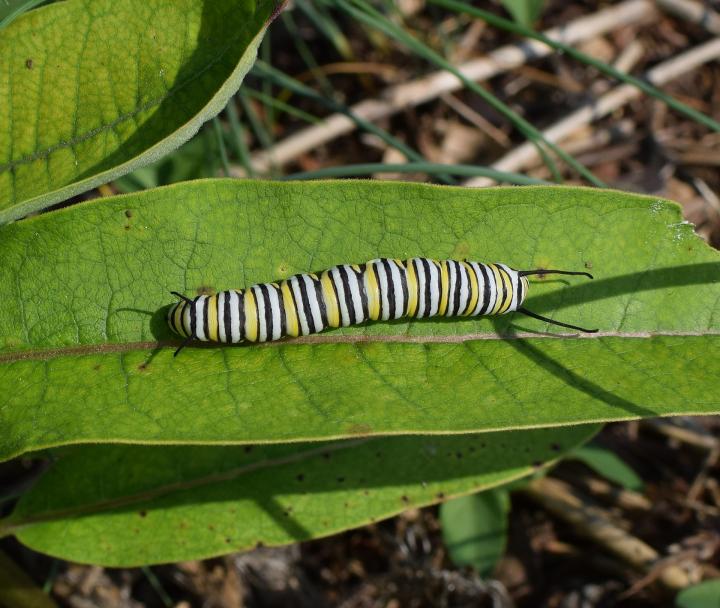
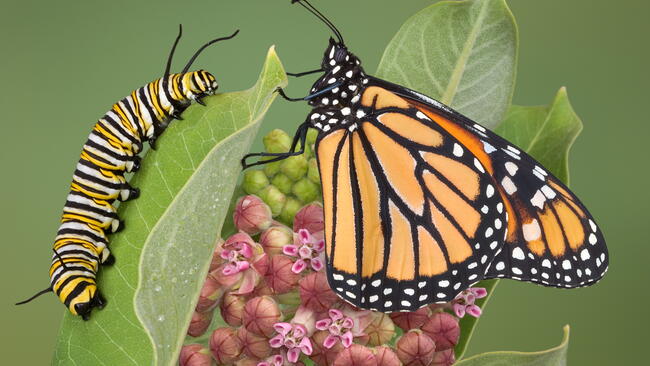
Milkweed is the only food monarch “babies” eat! It’s that simple. When the caterpillars hatch, they can start feeding immediately on milkweed leaves. Toxins in the plant make the adult monarchs and their larvae taste bitter to predators, protecting them from hungry birds. It is such an effective deterrent that predators, including the similarly colored Viceroy, also avoid it, just in case it is bitter. If you decide to grow milkweed in your yard, be aware that the cardiac glycosides contained in the plants are toxic to pets and people, too.
Because monarch caterpillars rely exclusively on milkweed leaves, planting the right species in your region makes all the difference.
Milkweed Varieties
The milkweed genus (Asclepias) is fairly large, with 73 species native to the US and over 100 in North America. They support 12 species of butterflies and moths, including the monarch. Choose milkweed species that are native to your region and are right for your environment. Here are a few to consider; they have wide native ranges and are frequently available as seeds or plants:
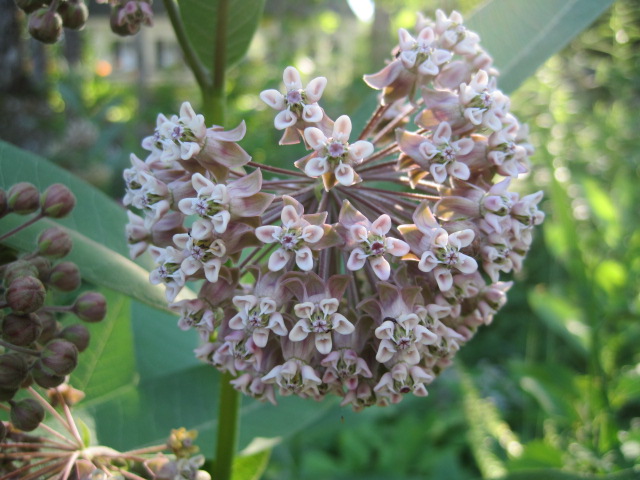
1. Common Milkweed (Asclepias syriaca)
A hardy perennial, common milkweed has pale-pink flowers that are very fragrant and attract many pollinators, including monarchs. It will thrive almost anywhere in the U.S., especially east of the Rockies and into Canada. Common milkweed needs full sun, grows to 2 to 6 feet tall, has wide, gray-green, velvety leaves, and is an aggressive grower. Don’t plant in your flowerbed, or it will take over! It has a wide-spreading root system and needs its own space to stretch out.
Best for: Large naturalized areas in Zones 3–9
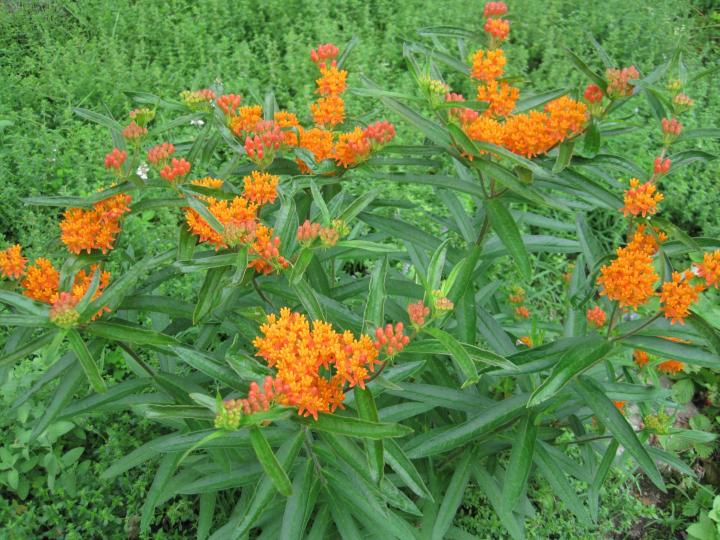
2. Butterfly Weed (Asclepias tuberosa)
Less aggressive than its common cousin, butterfly weed grows only 1 to 2-1/2 feet tall. It is commonly grown in gardens, adapts well to both moist and dry soil, and has very showy orange flowers. It likes full sun and is hardy in Zones 3 to 9.
Best for: Sunny borders and dry, well-drained soil in Zones 3–9

3. Swamp Milkweed (Asclepias incarnata)
Better behaved than common milkweed, swamp milkweed is more likely to form clumps rather than spreading out. It grows 2 to 4 feet tall, has deep rose-pink flowers, and is shade-tolerant. It grows in wet soil near lakesides or in damp marshlands, and it also thrives in average garden soil and is hardy in Zones 3-9.
Best for: Moist soil, rain gardens, and partial shade in Zones 3–9

4. Showy Milkweed (Asclepias speciosa)
A native plant, showy milkweed’s range covers west of the Mississippi into California and north to Canada. It has pastel-pink flowers on 2- to 4-foot-tall plants. It is drought-tolerant, making it a good plant for arid plains and prairies, though it also grows well in moist garden soils. It needs full sun and is hardy in Zones 3-9. Showy milkweed is the best edible milkweed in the West. Learn all about common uses for milkweed.
- Best for: Western regions and drought-prone sites
Quick Comparison of Milkweed Varieties
| Species | Height | Soil Preference | Growth Habit | Zones |
|---|---|---|---|---|
| Common | 2–6 ft | Average | Spreads aggressively | 3–9 |
| Butterfly | 1–2.5 ft | Dry, well-drained | Clump-forming | 3–9 |
| Swamp | 2–4 ft | Moist | Clump-forming | 3–9 |
| Showy | 2–4 ft | Dry to average | Spreading | 3–9 |
Milkweed Varieties to Avoid
Some milkweeds are not beneficial to monarchs.
- Gardeners in southern states should avoid planting tropical milkweed (A. curassavica). It is a beautiful plant with bright yellow/red/orange flowers, but it hosts a parasite that infects the caterpillars and weakens the butterflies when they emerge from their chrysalis. Since the plants don’t die back until late into winter, the monarchs stay there until it is too late to make their yearly trip to Mexico. Learn more about the Monarch butterfly migration.

Another no-grow is climbing milkweed (Cynachum nigrum), also called black swallow-wort. It is an incredibly invasive twining weed in the milkweed family. If a monarch lays her eggs on it, those caterpillars won’t grow large enough to turn into butterflies. It is a tough one to get rid of, since it spreads by wind-blown seeds and has a large root crown and deep roots.

Becoming a Monarch Way Station
Planting milkweed and other native wildflowers, especially late-season nectar plants such as goldenrod and asters, will increase the survival chances of visiting monarchs and other pollinators by providing an energy source, shelter for adults, and host plants for larvae.
You can create a Monarch Way Station in your backyard in a 100 sq. ft. sunny space with well-draining soil. Plant at least 10 plants of two or more flower species native to your region that flower at different times, including some milkweed. Once it is up and growing, register it at MonarchWatch.org. Over 31,000 gardeners across the country have done it so far!
One reader said, “Think of it as an Airbnb for butterflies!”
Frequently Asked Questions About Milkweed for Monarchs
What is the best milkweed for monarch butterflies?
Native species such as common milkweed, butterfly weed, and swamp milkweed are among the best choices. Select a variety suited to your soil and climate.
How many milkweed plants should I grow?
Plant at least 10 milkweed plants in clusters to increase visibility and habitat value for monarchs.
What milkweed is best for small gardens?
Butterfly weed or swamp milkweed (clump-forming)
What milkweed grows in wet soil?
Swamp milkweed
Is common milkweed too aggressive?
Yes, it spreads by rhizomes
Does milkweed come back every year?
Yes, most native species are perennial in Zones 3–9
Should I plant tropical milkweed?
Gardeners in southern states should avoid tropical milkweed because it can interfere with monarch migration and host harmful parasites.
Related Content

More Like This


They are oleander or milkweed aphids (Aphis nerii). They are not native to the US, coming from areas around the Mediterranean where oleander grows prolifically. They are easy to spot, bright orangey-yellow with black legs and 2 black stalks called cornicles on their back end. They can quickly form a huge colony since they do not need fertilization to reproduce and they give birth to live nymphs. Parasitic wasps will lay their eggs in them and ladybug larvae will chow down on them but to keep ahead of an infestation it is best to start squishing them as soon as you see a few.
It is a shame your book never materialized. I hope you find a suitable home for your extensive collection!
- « Previous
- 1
- 2
- …
- 10
- Next »

Comments