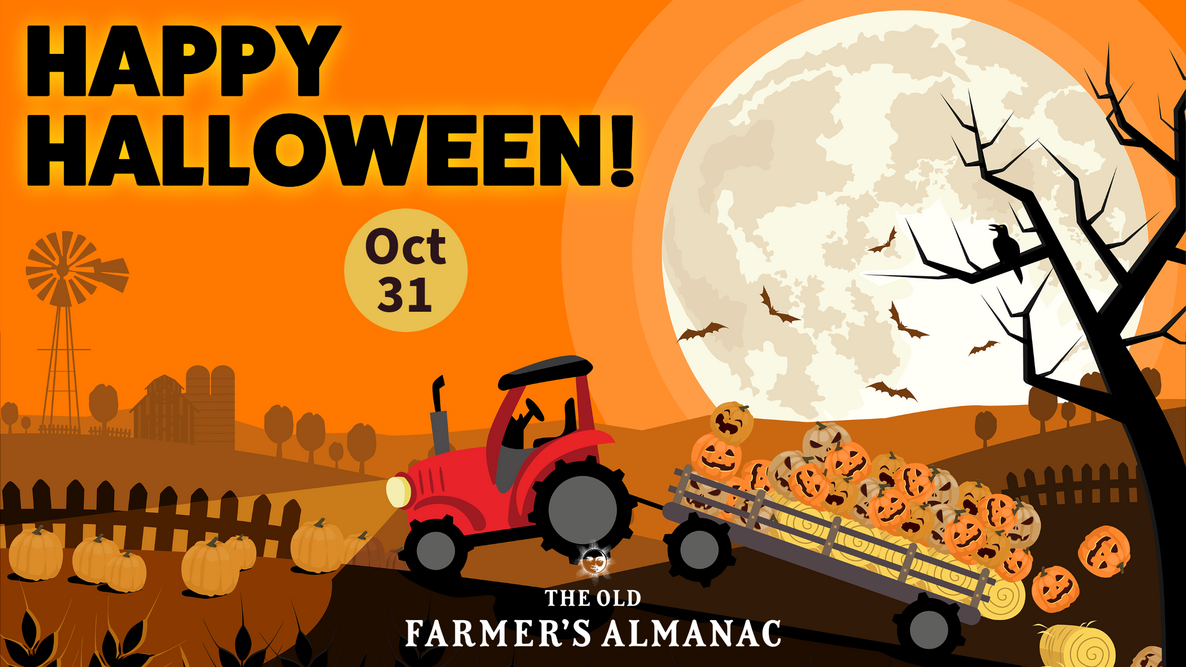
Halloween falls on a Saturday this year—Saturday, October 31, 2026, to be precise. As always, the October 31 date stays the same, but the day of the week likes to keep us guessing. This time around, all your pumpkin carving, costume donning, and ghostly gatherings get a prime weekend night spot. That’s a treat in itself!
Did you know Halloween has ancient roots tied to farming? Folks marked October’s end as the final days of the harvest season and the beginning of winter, the “darker half” of the year. Explore the spook-tacular history of Halloween and find simple ways to celebrate, from carving jack-o’-lanterns to roasting up a big old batch of pumpkin seeds.
When Is Halloween in 2026?
Mark your calendars: Halloween is on Saturday, October 31, 2026.
Curious about future Halloweens? Take a peek at the table below to see the date and day of the week for Halloween in upcoming years.
| Year | Halloween Date |
|---|---|
| 2026 | Saturday, October 31 |
| 2027 | Sunday, October 31 |
| 2028 | Tuesday, October 31 |
| 2029 | Wednesday, October 31 |
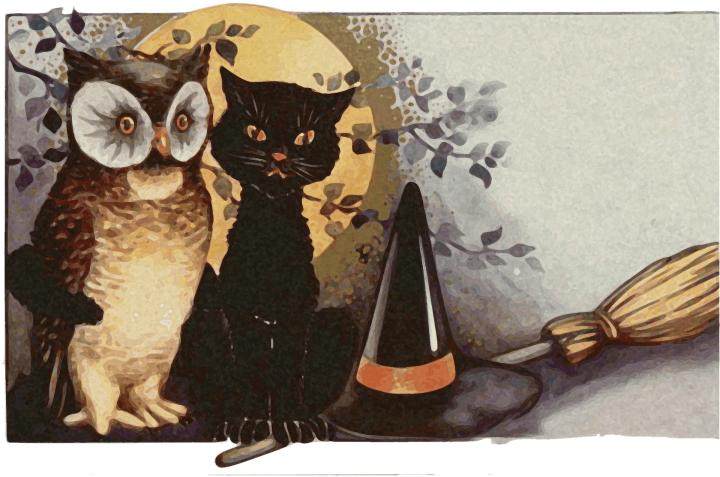
Why Is Halloween Celebrated on October 31?
Halloween is celebrated on October 31 because it’s the night before All Saints’ Day (also called All Hallows’ Day) on November 1. The night before became known as All Hallows’ Eve before it was eventually shortened to Hallowe’en.
Halloween’s roots run even deeper than that, though—all the way back to the ancient Celtic festival of Samhain. That’s pronounced sow-in, like a “cow in” the pasture, and it’s generally understood to mean “Summer’s End.”
Samhain signaled the end of the Celtic year, when the last of the season’s crops were harvested, and winter’s long shadow crept in. Folks believed that on this night, evil spirits roamed the Earth, so it’s no wonder Halloween would become linked with tales of ghosts and graveyards.
To honor Samhain, the Celts lit huge bonfires and wore spooky disguises, hoping to scare away any wandering spirits. We can all thank them for the modern tradition of wearing Halloween costumes!
Halloween isn’t the only holiday with an interesting story behind it—learn about other holidays that trace their roots back to ancient Celtic celebrations.
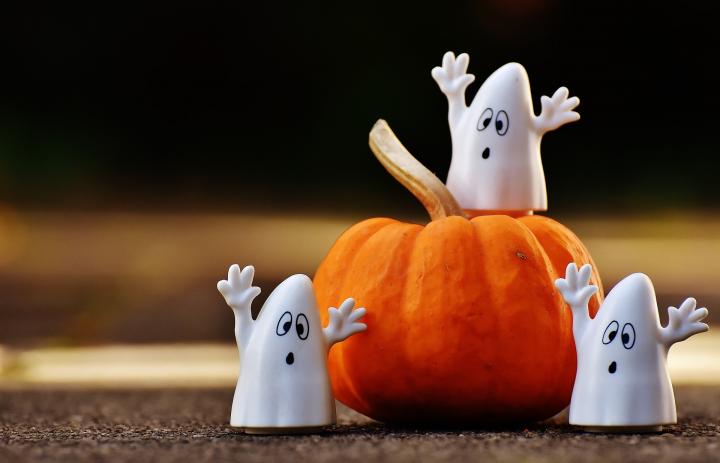
Ways to Celebrate Halloween
There are lots of ways to celebrate Halloween this year.
We won’t wander too far down memory lane, but if you’re just dying to know more, you can find the stories behind witches on broomsticks, bobbing for apples, and more in Halloween Traditions Explained.
For now, here are a few fa-boo-lous ways to enjoy Halloween in 2026:
1. Carve Pumpkins
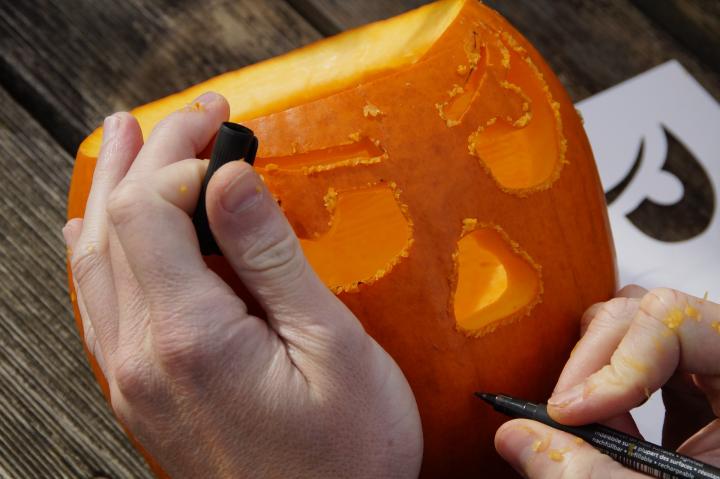
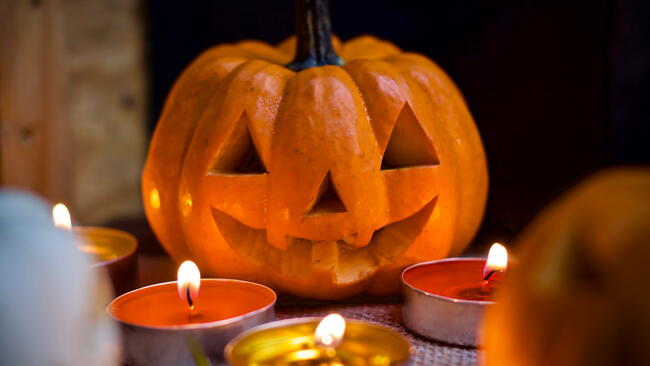
Carving pumpkins is North America’s most popular Halloween custom. Every year, children enjoy scooping out the insides of the pumpkin with a spoon and carving their pumpkin with a little help from parents.
See beginner carving tips, how to keep your carved pumpkin fresh, and other great tips!
2. Roast Pumpkin Seeds
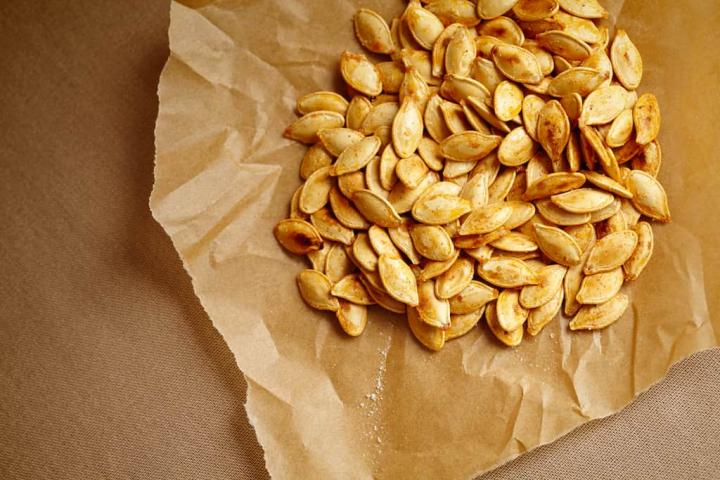
If you do carve your pumpkin, save the pumpkin seeds when you scoop out the insides. See our recipe for Roasted Pumpkin Seeds. Be careful; these salty and crispy snacks go fast!
If you don’t like to eat seeds, you can also save those pumpkin seeds to make a colorful pumpkin seed necklace.
3. Wear Halloween Costumes
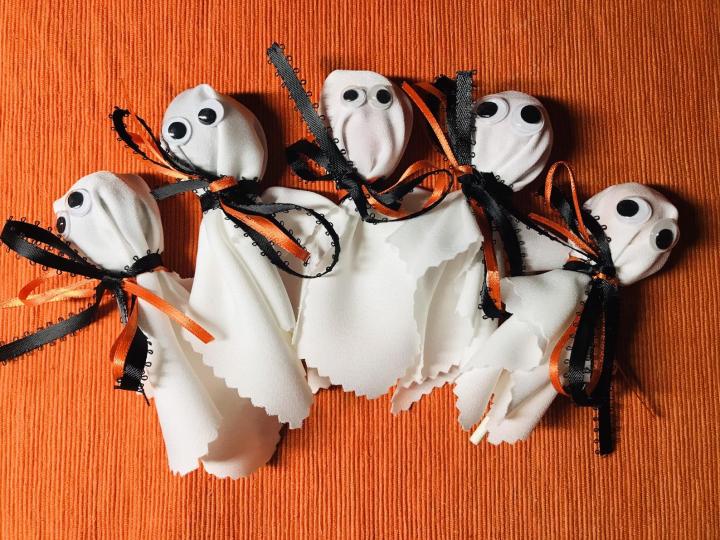
Everyone loves a chance to dress up in Halloween costumes. Traditional costumes are spooky or Halloween-related, such as witches, zombies, ghosts, and vampires.
But in the United States, the costumes get silly, too, from giant bananas to superhero characters to whatever your imagination conjures!
DIY-ing your Halloween costume this year? See ideas for Halloween Makeup and Fake Blood From the Pantry.
4. Cook Up Yummy Treats
Of course, you’ve all heard the saying, “Trick or Treat?” The “treats” are much preferred to the “tricks.”
Here are some classic favorites from before the days of packaged candy:
There’s more where that came from—feast your eyes on our best Halloween recipes!
Witch-ing you a Happy Halloween!
What’s your favorite Halloween tradition? Let us know in the comments!
Frequently Asked Questions
-
When is Halloween in 2026?
Halloween is celebrated on Saturday, October 31, 2026. The holiday always falls on October 31, regardless of the day of the week.
-
Why is Halloween celebrated on October 31?
Halloween is celebrated on October 31 because it is the evening before All Saints’ Day, traditionally called All Hallows’ Day. The night before became known as All Hallows’ Eve and, eventually, Halloween.
-
What does the word “Halloween” mean?
The name “Halloween” is a shortened form of “All Hallows’ Eve.” “Hallow” is an old word for a holy person or saint, while “eve” means the evening before a special day.
-
What was Samhain?
Samhain was an ancient Celtic seasonal festival marking the end of the harvest and the beginning of winter. Some customs and folklore associated with Samhain later became connected with Halloween traditions.
-
Is Halloween connected to All Saints’ Day?
Yes. Halloween, or All Hallows’ Eve, takes place the night before All Saints’ Day on November 1. All Saints’ Day is a Christian observance honoring saints and holy people.
-
Why do people carve jack-o’-lanterns?
The tradition developed from an Irish custom of carving frightening faces into turnips and placing lights inside them. In North America, pumpkins became the preferred choice because they were larger and more plentiful.
-
Why do people wear costumes on Halloween?
Halloween costumes developed from traditions involving disguises, masks, spirits, and seasonal celebrations. Today, people dress as everything from ghosts and witches to animals, superheroes, and popular characters.
-
How did trick-or-treating begin?
Modern trick-or-treating developed from several older customs, including going door to door in costume, performing for food, and offering prayers in exchange for treats. The familiar American tradition became widespread during the 20th century.
-
Is Halloween always on October 31?
Yes. Halloween is always celebrated on October 31, the final day of October and the evening before All Saints’ Day.
-
Is Halloween a federal holiday?
No, Halloween is not a federal holiday in the United States. But lots of people choose to celebrate it each year on October 31.
Sources
- Library of Congress — The Origins of Halloween Traditions
- NASA — Halloween History
- BU Today — The History of Halloween

More Like This



- « Previous
- 1
- 2
- …
- 10
- Next »

Comments