You don’t have to be deep in the forest to be an animal tracker. Animal footprints are often as close as your backyard or garden. Take a look at these animal track pictures and charts—showing footprints in both snow and mud. Now, you can identify which wild animal walked through your yard last night!
How to Track Animals and Identify Animal Tracks
Tracking is something that you learn best by doing. Get out there and look! Here are a few tips:
- Animal tracks are easiest to find in mud, soft garden soil, sand, and snow.
- Study the ground closely. Get down on your hands and knees. Note the size of the track and whether it shows claw marks. You may wish to make a sketch.
- Track early in the morning or late in the day when shadows make prints easier to see.
- Watch for animal droppings called scat. The scat will also help you track the animal. If the scat is dry all the way through, the tracks may have been left a while ago. On the other hand, if it’s still moist, it indicates recent activity. Not only can it provide valuable information about the timing of the animal’s presence, but it can also give clues about their diet. Scat can tell you if you’re tracking a vegetarian or a meat eater.
- In case you lose the trail, don’t panic. Simply widen your search by scanning the area in a circular motion around the last track you found. This method increases your chances of picking up the trail again. Remember, patience is key when tracking animals.
- The most important tip of all: don’t get lost! While tracking animals can be an exciting adventure, it’s crucial to prioritize your safety. Always be aware of your surroundings and avoid getting lost. Carry a map, compass, or GPS device to ensure you can find your way back. Additionally, inform someone about your tracking plans and estimated return time.
By following these tips and staying cautious, you can enhance your tracking skills and gain a deeper understanding of the wildlife around you. So, grab your gear, head out into nature, and embark on a thrilling animal tracking expedition.
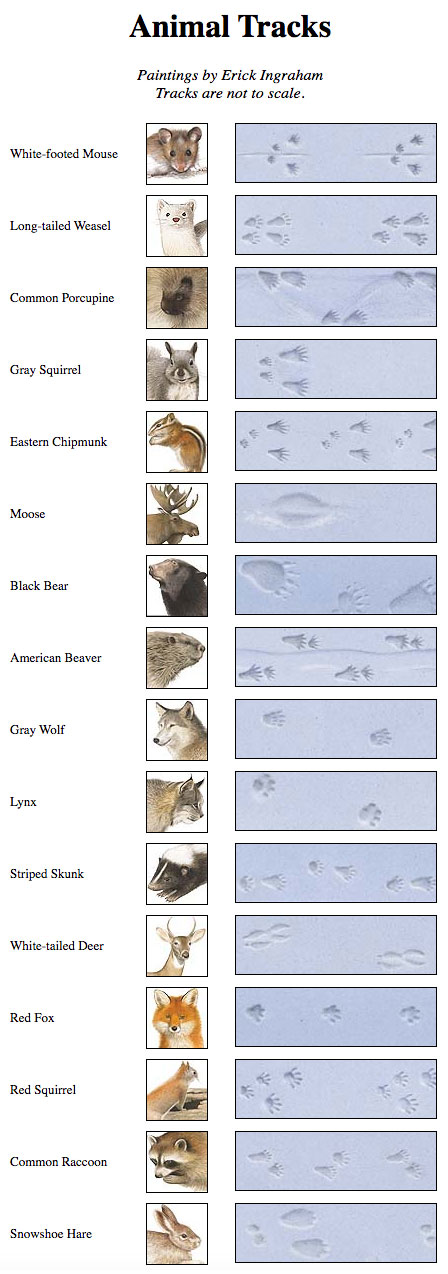
Animal Track Pictures in the Winter Snow
For those living in snowy regions, winter can be a great time to observe and identify animal tracks. The white canvas of snow makes it easier to spot tracks and decipher their characteristics. Take a moment to examine these common animal tracks and familiarize yourself with their distinct patterns.
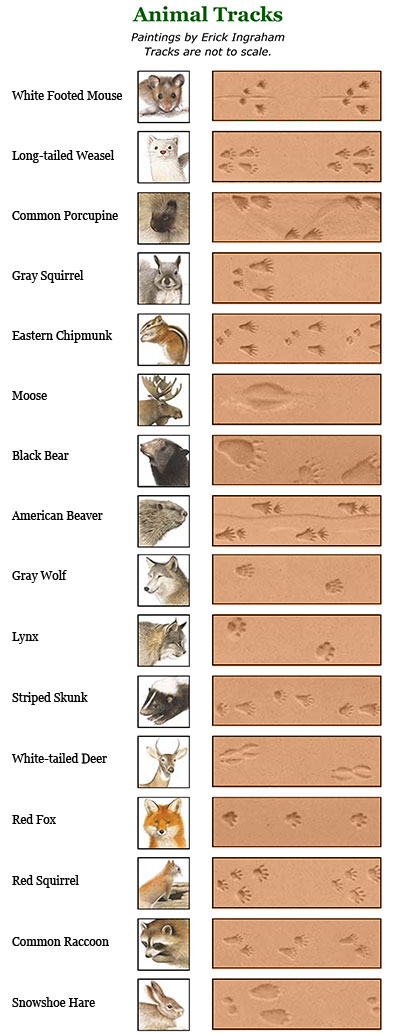
Animal Track Pictures in the Mud
Here are the same animal tracks as they might look in a muddy garden or backyard!
We love all these animals, but if they are destroying your garden, here are simple ways to deter common critters:
Deer, mice, moles, rabbits, raccoons, skunks, squirrels, voles, and woodchucks or groundhogs.
Have you seen any animal tracks in your backyard lately? Tell us about it below!

More Like This





Dear Josh, A good clue to this track is that it is showing five toes, with perhaps a hint of claws. My best guess would be a member of the weasel family, with my first choice perhaps a wolverine, if you think the print is the right size. If the print is smaller, then my guess would be an American marten or mink. If you need further help, you might try asking a park ranger in the Washington area, or a nature center. They may be more familiar with the animals in your area, and what might be about in winter. All the best, Heidi S., OFA staff

Comments