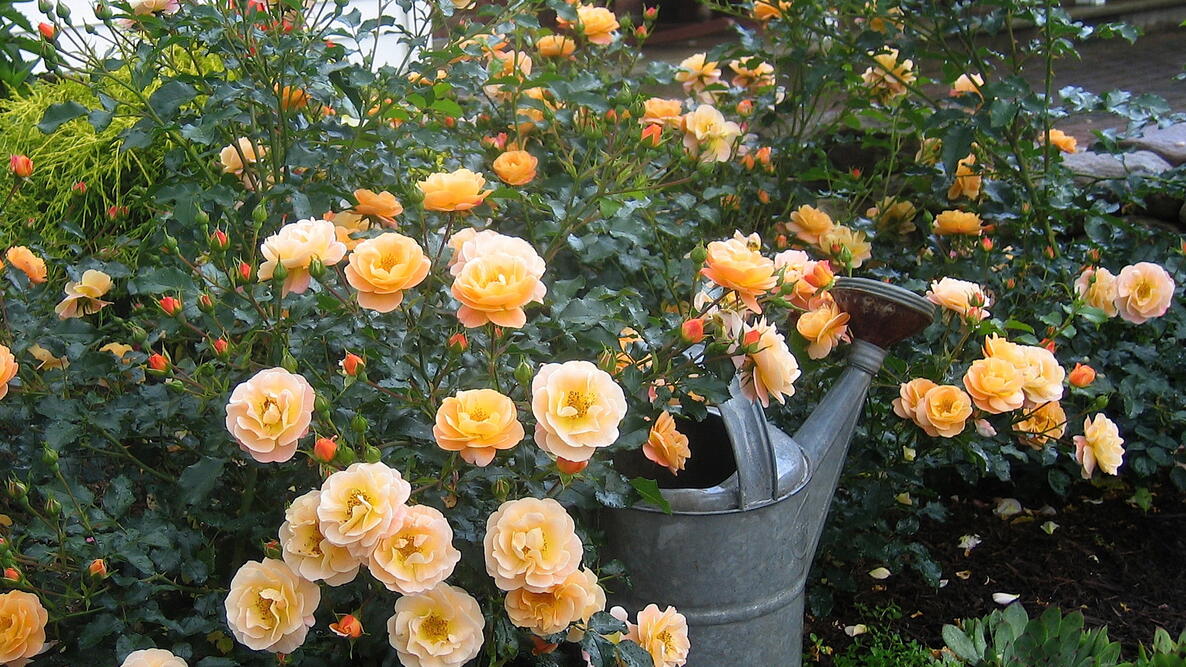
Caption
Rose ‘Flower Carpet Amber’ is fragrant and attracts butterflies! Credit: Anthony Tesselaar Plants
Roses have a reputation for being fussy and high-maintenance—but that isn’t true for all roses. Thanks to modern breeding, many roses today are easy to grow, disease-resistant, and well-suited to beginners. This guide focuses on roses that are especially forgiving and reliable.
Some beautiful rose types, such as traditional hybrid teas, climbing roses, and miniature container roses, can be more difficult to grow and are often better explored after you’ve gained some experience.
Are Roses Difficult to Grow?
Short answer: Some are, some aren’t.
Many older or traditional roses require careful pruning, regular feeding, and close attention to pests and diseases. That level of care can feel intimidating at first.
Fortunately, many modern roses are bred to be disease-resistant and low-maintenance. By choosing the right type of rose, beginners can successfully grow roses without expert-level skills.
Traditional Roses vs. Modern Beginner Roses
| Traditional Roses | Modern Beginner Roses |
|---|---|
| Often fussy | Bred for ease |
| May need spraying | Often disease-resistant |
| Precise pruning | Forgiving pruning |
| High-maintenance | Low-maintenance |
Rose Care at a Glance (For Beginners)
This is a quick overview—planting, pruning, and seasonal care are covered in our Rose Growing and Care Guide.
You don’t need a long rulebook to grow roses successfully. Focus on these basics:
Sun
Roses need at least 6 hours of full sun per day.
Water
Water deeply, not frequently.
Aim for the base of the plant, not the leaves.
Soil
Well-draining soil matters more than perfection.
Amend with compost if needed.
Pruning
Most roses are pruned mainly in early spring to remove dead wood and shape the plant. Upright shrub roses need a fairly thorough cutback, while groundcover roses usually need only light trimming to keep them tidy.
Roses are sold either bare-root or in containers. Both can work well for beginners; our Rose Growing and Care Guide explains when and how to plant each type.
Don’t worry about making mistakes—roses are resilient, and choosing the right type makes success much easier.
Best Rose Bushes That Are Easy to Grow
If you want roses that thrive with minimal effort, start with varieties bred specifically for durability, disease resistance, and reliable blooming.
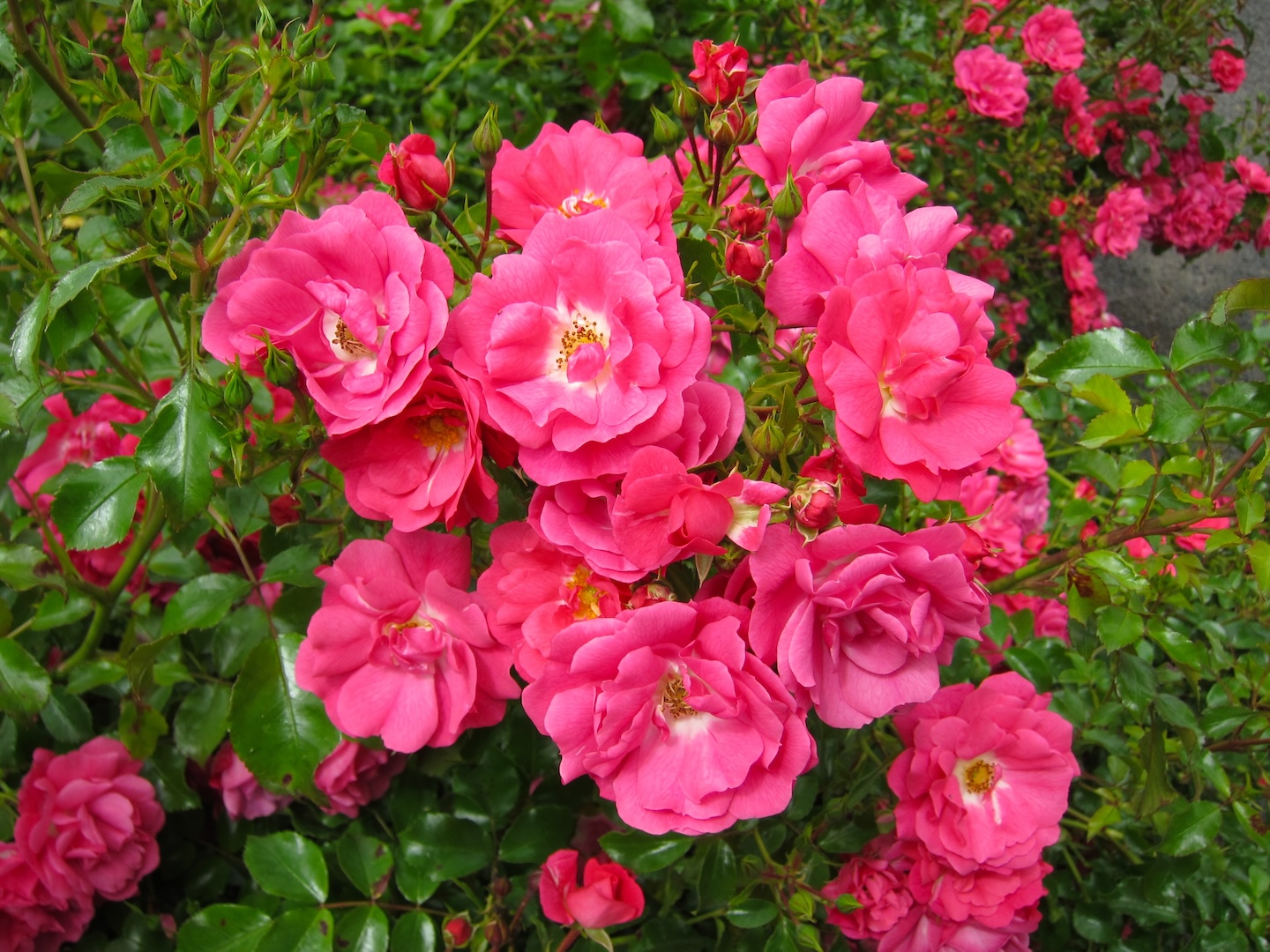
Flower Carpet® Ground Cover Roses
Best for: edging, slopes, containers, and gardeners who want roses that stay compact and spread gently.
Flower Carpet® Roses are among the easiest roses to grow and an excellent choice for beginners. These compact ground-cover roses typically grow to about 2 feet tall and 3 feet wide, making them easy to place in almost any garden.
They are especially valued for their long, prolific bloom period, flowering from spring through fall—and nearly year-round in warmer climates. Their dense, glossy foliage looks attractive even when the plants are not in bloom.
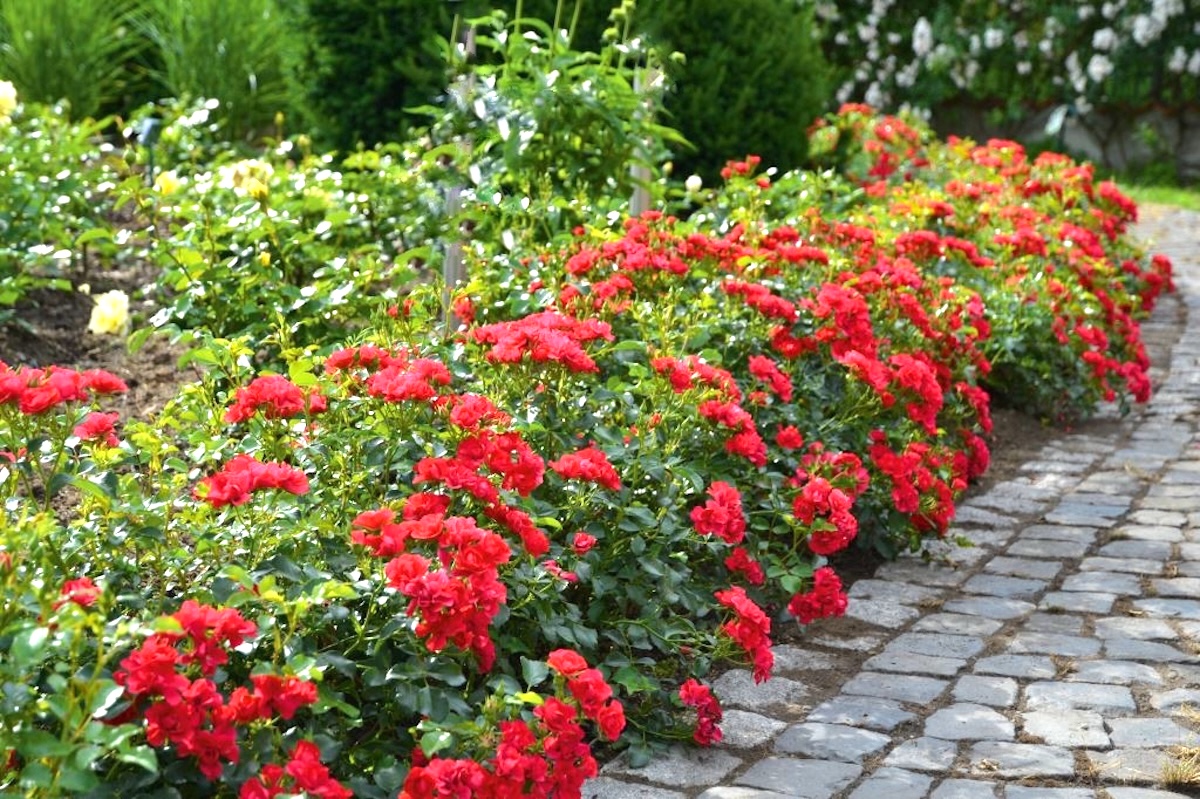
Flower Carpet roses are extremely versatile. They work well in:
- Garden beds and borders
- Containers
- Mass plantings on slopes (no mowing required)
- Along sidewalks, driveways, and walkways as an alternative to turf
One of their biggest advantages is excellent disease resistance, including resistance to common rose problems like black spot and powdery mildew. This means no spraying is usually needed—making them a great choice for low-maintenance or organic gardens.
Pruning is simple and optional. A light cutback in early spring—by about one-third using hedge shears or even electric trimmers—is enough to keep plants tidy and blooming well. Even without pruning, Flower Carpet roses continue to flower generously on a slightly larger plant.
Knock Out® Roses
Best for: borders, foundations, and gardeners who want a bold, upright flowering shrub.
Knock Out® roses are another popular choice for beginners who want reliable, long-lasting color with relatively little effort. These are larger shrub roses, typically growing about 4 feet tall, and they look best planted as borders or along fences, walls, or foundations. In garden beds, planting in groups of three creates the strongest visual impact.
For best flowering, Knock Out roses need 6 to 8 hours of full sun daily. They are hardy in Zones 5 to 10, making them more cold-tolerant than many traditional roses.
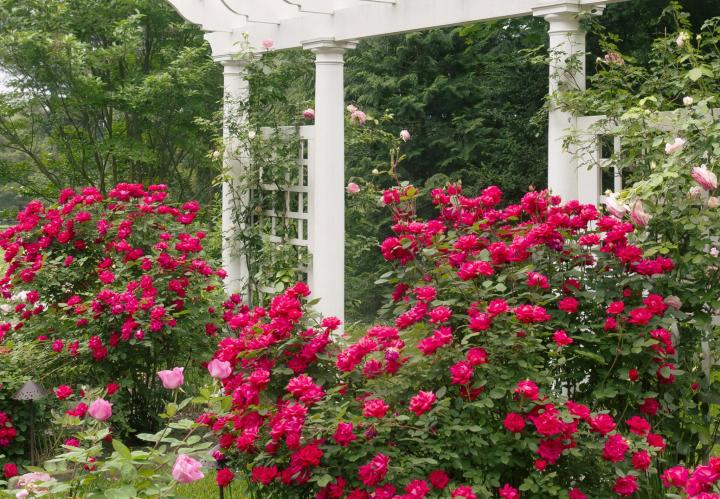
Knock Out roses are known for their strong disease resistance and tolerance of heat and humidity. In many climates, they thrive without spraying or dusting and perform reliably from spring through summer.
While often described as “no-prune” roses, Knock Out shrubs benefit from some pruning. Left completely unpruned, they can grow tall and less floriferous. For best results, wait until the second season, then prune in early spring—cutting back by as much as one-half after the danger of frost has passed. See the Knock Out® Family of Roses.
Other Easy Landscape Shrub Roses
Best for: mixed beds and “regular garden” settings where you want repeat blooms without a fussy routine.
Many modern landscape shrub roses are bred for reliability, repeat bloom, and strong disease resistance. They form rounded shrubs that work beautifully in borders and garden beds and often come in a wide range of flower colors and sizes.
When choosing, look for labels such as disease-resistant, repeat blooming, or low-maintenance, and avoid older exhibition-style roses if you’re just starting out.
If you want roses that thrive with minimal effort, start with varieties bred specifically for durability, disease resistance, and reliable blooming.
Choosing Rose Shapes That Work in Your Garden
These beginner rose types serve different roles in the garden—many gardeners grow more than one, depending on space and style.
| Type | Best for | What to expect |
|---|---|---|
| Groundcover roses (Flower Carpet) | Edges, slopes, containers, walkways | Low and spreading; lots of flowers; minimal pruning |
| Upright shrub roses (Knock Out) | Borders, foundations, fences | Taller structure; bold presence; benefits from annual pruning |
| Landscape shrub roses | Mixed beds and everyday garden plantings | Rounded shrubs; repeat bloom; bred to be dependable |
Why Disease Resistance Matters for Beginner Roses
One of the biggest challenges for new rose growers is disease. Roses that resist common problems such as black spot and powdery mildew are far easier to grow and rarely require chemical sprays.
Choosing disease-resistant roses is one of the simplest ways beginners can enjoy healthier plants and more consistent blooms with less effort.
Start Simple—and Enjoy the Flowers
Roses don’t have to be intimidating. By choosing modern, disease-resistant, low-maintenance roses, providing sun and water, and keeping expectations realistic, beginners can enjoy months of beautiful blooms with minimal effort.
Start with roses bred for ease, build confidence as you grow, and let the flowers do the rest.

More Like This


Beth, you don't say where you live. Bougainvillea needs plenty of heat during the day and mild nights to bloom. It's tropical plant. If you live in a cooler climate, plant it in a large container, place it in full sun facing south and mulch the soil in the container with white pebbles or turkey grit (crushed oyster shells). The white mulch gathers heat and reflects it upward to the plant leaves, plus heating the soil. You could even try an aluminum foil mulch!
You live in a tough climate for many plants. I thought mine was cold! Have you considered containers? Plant in at least a 16-inch diameter pot and put the rose bush outside after night temperatures stay above 30F. A south exposure will give you more heat, as will mulching the container with white pebbles or turkey grit, which is crushed oyster shells. You can store pots in the basement after they drop their leaves in fall. No light needed, as the bush will go dormant. Water the container every 3-4 weeks to keep the roots hydrated. I do this with a number of perennials that die in my winter, like bananas, hibiscus and a fig tree.
I live a few miles away from you and have the same problem with Japanese beetles. I, too, tried neem with little luck. I tried the milky spores for the lawn to kill the grubs and traps. They worked, but all the beetles from the neighboring land still flocked to my abundant garden full of food they like. So, I've accepted that the roses bloom and look wonderful until the end of July, and then the plants start looking tattered. I still get blooms and plenty of color, too. Sometimes we just have accept what Mother Nature dishes out, like the April Fool's snow we had and the cold long spring that went immediately to summer. Maybe that weather pattern will slow down the beetles this year! We can hope.
- « Previous
- 1
- 2
- …
- 10
- Next »

Comments