
Harvesting
When to Harvest
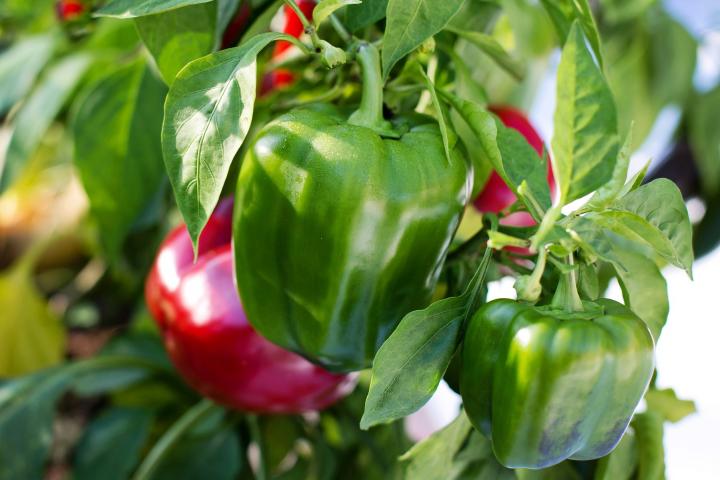
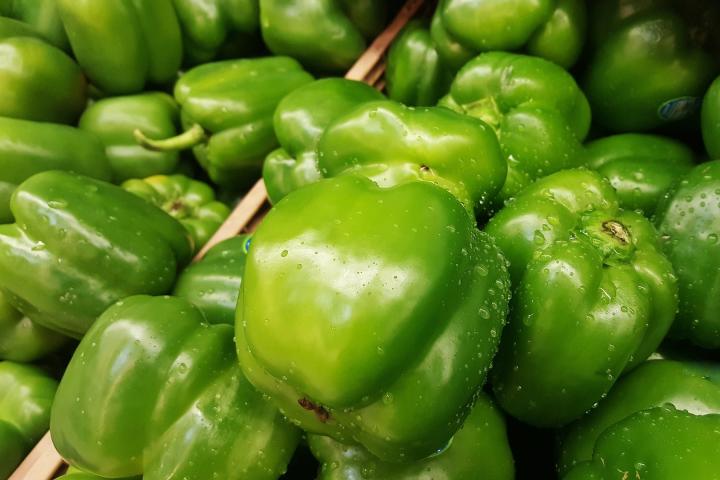
Begin harvesting bell peppers as soon as the plants begin fruiting and the peppers reach a usable size. You can harvest bell peppers when they’re green or when they reach their mature color, which may be red, orange, yellow, or even purple depending on the variety. Harvesting regularly prompts pepper plants to produce more fruit and safeguards harvests from pest damage; however, bell peppers get sweeter the longer they stay on the plant.
How to Harvest
To harvest bell peppers, hold the pepper stem and snip the stem off the plant with a clean pair of pruners, scissors, or a sharp knife. Don’t pull bell peppers off the plant as this can cause significant damage and make peppers less productive.
Storage
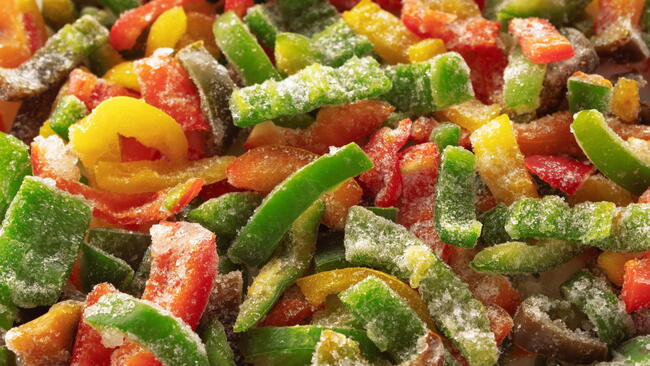
After harvesting, bell peppers should stay fresh in the cripsper drawer of your fridge for up to 10 days. For longer storage, you can also chop and freeze bell peppers, or wash, de-seed, chop and dry them in an oven or dehydrator set at 140°F for 4 to 6 hours.
Types
Look for varieties that ripen to their full color quickly; fully mature peppers are the most nutritious—and tastier, too!
- Green peppers that turn Red: ‘Lady Bell’, ‘Gypsy’, ‘Bell Boy’, ‘Lipstick’
- Orange: ‘Milena’, ‘Orange Sun’
- Yellow: ‘Golden California Wonder’


A hot topic, it appears, on the Web. No. It's a hoax. Pepper plant flowers contain both mail and female reproductive parts, and so the developing fruit is neither male nor femaile. The number of lobes does not affect flavor. Don't believe everything you read on the Web...but you can believe this.
They may be purple, Ken, because they ARE purple peppers! If you started them from seeds, we can not explain the confusion; the packet should have been marked...or it was and you did not know. If you bought them as seedlings, it's possible that the plant stick was moved from other peppers inadvertently; it happens occasionally.
They are different from other bells in so far as the contain a pigment called anthocyanin, which give them their inky color. They may be slightly more bitter than red, yellow, or orange bell peppers...or that may be a matter of taste.
Harvest, eat, and enjoy!
It sounds likely that they are diseased. In that case, it may be best not to eat them since it is not known what exactly is infecting the fruit. Even if the spotted areas are removed (cut at least 1 inch further out from the affected area), unblemished areas may still harbor fungus, bacteria, or viruses that may cause trouble, depending on the pathogen. Quality will likely not be as good either, perhaps affecting taste etc. Unfortunately, when in doubt, throw it out.
Had you experienced cool or hot temperatures earlier and now temperatures have moderated? Nighttime temperatures below 60F or above 75F can hamper fruiting. Also, if you had very hot daytime temperatures, such as 90F or above, that can cause blossoms to drop or pollen to become sterile, reducing fruit production until plants recover. Ideal daytime temps are between 70 and 80 (hot peppers can take about 5 degrees higher). Drought or other stress, too much nitrogen, or other factors can also discourage fruiting.
- « Previous
- 1
- 2
- …
- 10
- Next »

Comments