
Harvesting
When to Harvest
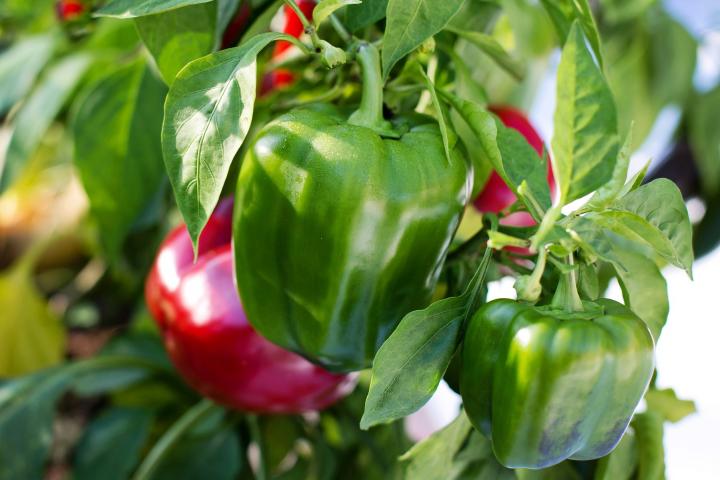
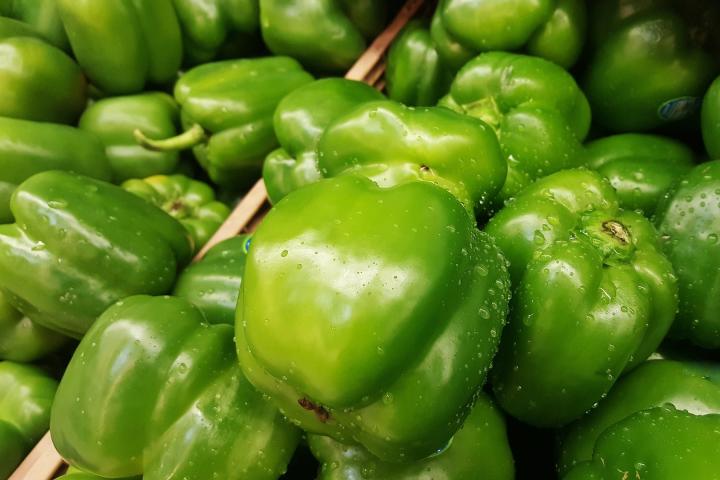
Begin harvesting bell peppers as soon as the plants begin fruiting and the peppers reach a usable size. You can harvest bell peppers when they’re green or when they reach their mature color, which may be red, orange, yellow, or even purple depending on the variety. Harvesting regularly prompts pepper plants to produce more fruit and safeguards harvests from pest damage; however, bell peppers get sweeter the longer they stay on the plant.
How to Harvest
To harvest bell peppers, hold the pepper stem and snip the stem off the plant with a clean pair of pruners, scissors, or a sharp knife. Don’t pull bell peppers off the plant as this can cause significant damage and make peppers less productive.
Storage
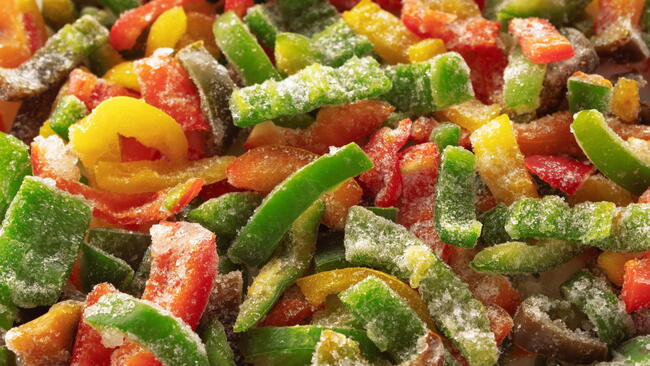
After harvesting, bell peppers should stay fresh in the cripsper drawer of your fridge for up to 10 days. For longer storage, you can also chop and freeze bell peppers, or wash, de-seed, chop and dry them in an oven or dehydrator set at 140°F for 4 to 6 hours.
Types
Look for varieties that ripen to their full color quickly; fully mature peppers are the most nutritious—and tastier, too!
- Green peppers that turn Red: ‘Lady Bell’, ‘Gypsy’, ‘Bell Boy’, ‘Lipstick’
- Orange: ‘Milena’, ‘Orange Sun’
- Yellow: ‘Golden California Wonder’


Small peppers can be caused by several things, including planting them out too early (daytime temperatures should be 65 to 70F, nighttime above 55F), temperature extremes or drastic fluctuations in weather, not enough light or water, fertilizing too early to encourage leaves at the expense of fruit, poor pollination, or some other stress, such as disease or insects. Check your plants for insects and disease; monitor the light, water, and fertilizer; and watch the weather--protect plants from cool and overly hot temperatures as best you can.
Good question. In most of temperate North America, the pepper is grown as an annual. It is a "tender" vegetable and easily killed by frost. However, in tropical regions, the pepper grows as a perennial plant.
If your pepper plants are vigorous and doing well, it may not improve their production and overall health to remove the first round of flowers. However, if the plants are struggling or growing slowly, then it can sometimes help to remove the first round of flowers.
As is mentioned below, bell peppers average about 6 to 8 peppers per plant. Some may yield less (2 or 3), some more (15 or more).
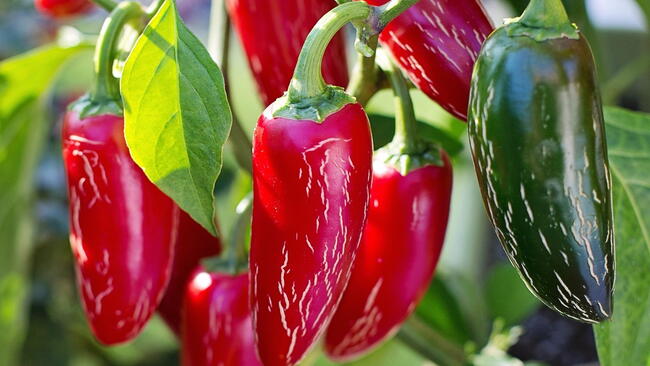
Peppers change color as they near their ripe stage. Check the "days to maturity" on seed packets or in catalogs for a guideline for your particular variety (such as 'Bell Boy' bell peppers mature in about 70 days). This will be the time when the pepper is at the peak of maturity, and fully colored. If you want your peppers immature (for different crispness and flavor), pick them earlier. Some peppers will start coloring up different colors before their final color (such as turning from yellow-green to yellow to orange to red). Timing, though, will depend on variety and local conditions.
- « Previous
- 1
- 2
- …
- 10
- Next »

Comments