Image Credit:
D. Leonis/Getty Images
Sponsored Article:
Cummins
Botanical Name
Capsicum annuum
Grown as
Toxicity
Sun Exposure
Water Needs
Height
Spread
Soil pH
Bloom Time
Flower Color
Special Features
Resilience
Plant Type
Types
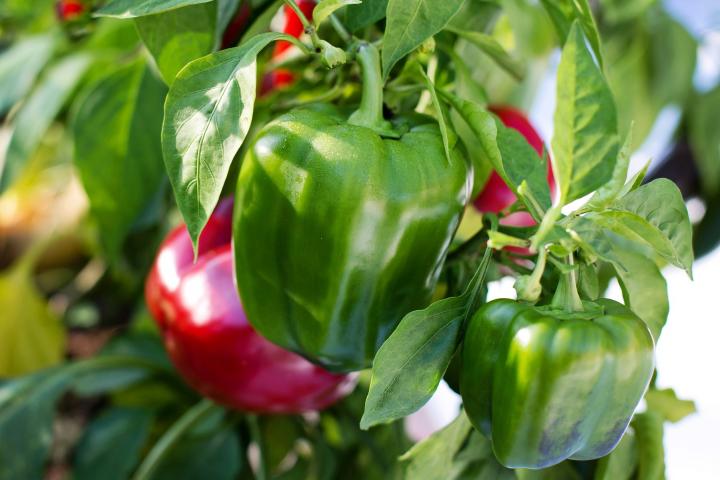
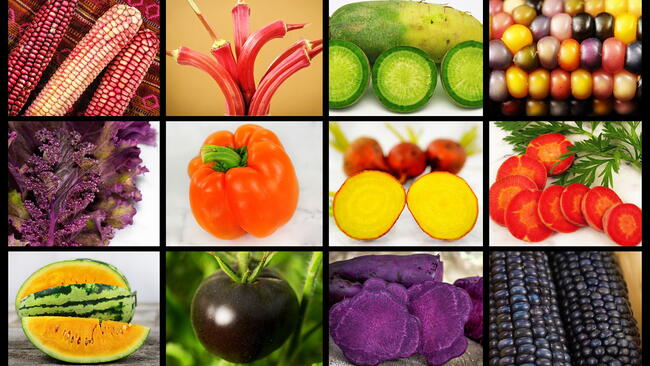
Look for varieties that ripen to their full color quickly; fully mature peppers are the most nutritious—and tastier, too!
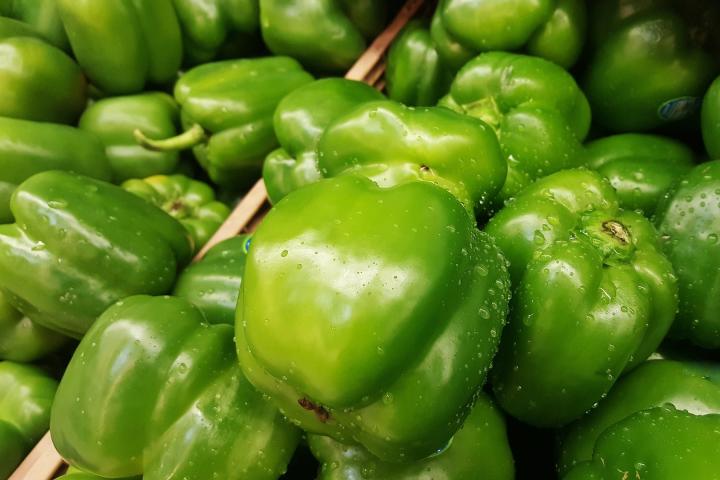
- Green peppers that turn Red: ‘Lady Bell’, ‘Gypsy’, ‘Bell Boy’, ‘Lipstick’
- Orange: ‘Milena’, ‘Orange Sun’
- Yellow: ‘Golden California Wonder’

i like the video, it is very informative. my favorite type is scotch bonnet pepper and sweet pepper. i lived in jamaica where the climate is hot all year long is this agood climate for growing peppers?
I live in New Hampshire and I used to help out with a garden that had both hot peppers, bell peppers, and banana peppers. However I am now starting a garden of my own. I do not know what peppers I should avoid and which I can grow. I am hesitant to grow any of the peppers that I have some experience with because they say they need warmer climates and the climate here is usually between 20 and 75 degrees Fahrenheit. Could you shed some light on this. I am also wondering about protecting peppers during the winter if I grow them in a raised garden or garden box.
You should be able to grow a number of pepper varieties in most parts of New Hampshire during the summer growing season, which is any time now until around Labor Day or possibly September 24, potentially the date of the first fall frost, for a growing season of about 127 days. Check you plants for the growing days to maturity. 20°F is not a summer temp anywhere outdoors in the state that we know of. Peppers would not likely survive in winter as you describe in a raised bed or box.
Store in paper bags not plastic. Not only are they more environmentally friendly but the peppers will not go bad for much longer than they do in the plastic. True story.
How do you protect your sweet pepper plants from the extreme heat during the summer months in NW Kansas?
The 2 things I remember about living there is the lack of rain during July and August and the very hot winds. The hot winds in my opinion are the biggest problem. Growing in the country was a bigger challenge than in the city. There are many wind blocks in the city. Also you can find shade. These two items can be at a premium in the country. I would first mulch the soil well to help keep the soil moist and cool. Second I would look for a partially shaded site. What you want is a good SE facing spot for the peppers. Measure the sunlight to be sure you are getting 4-6 hrs of sunlight. The SE sun is much gentler on the plants than the SW sun. Hopefully you also have a good wind break out in the country so those plants can survive the dry, hot winds that as I remember were averaging 20-30 mi/hr. Our winds came mostly from the SW to W direction. So finding a way to break the wind on that side would be very helpful. Buildings and cedar fences are great for this.
I planted one green, one red, and Longfellow bell pepper. Apparently the markers in the plants I purchased were wrong as I have one plant producing long sweet peppers of some sort, and now I'm unsure what the other two plants are. I don't k,ow if one is red and we are picking them too soon thinking they are green bells? I read in another comment here that they are the same plant and you just leave the green ones on longer to get red? Is that correct? So these peppers can be picked green if you want green peppers, and if you want red you just leave them on the vine longer? I guess I thought I needed one of each to get the different colors/flavors
This should read one red, one green, and one yellow....not Longfellow
Will I get this information for all vegetables or only peppers?
Thank you.
This is my first time growing bell peppers and all of mine are long and skinny. I started with plants and have each one in a 15 inch diameter pot. I also live in west central Indiana. I did not know about the match sticks. Can this be the problem?
- « Previous
- 1
- 2
- …
- 10
- Next »


Comments