
Harvesting
When to Harvest
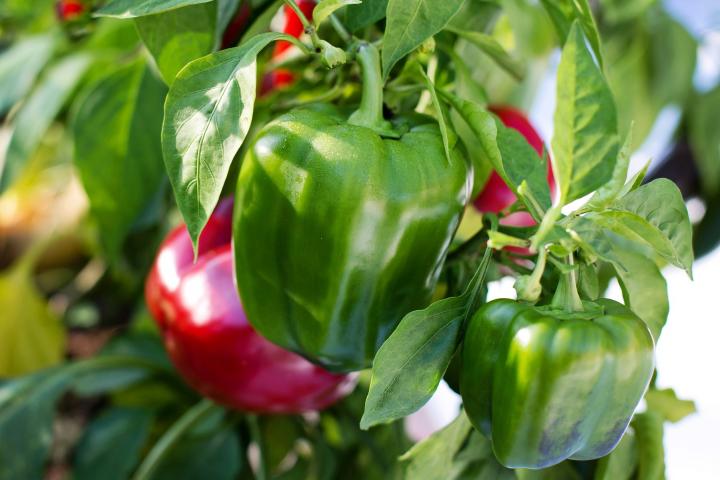
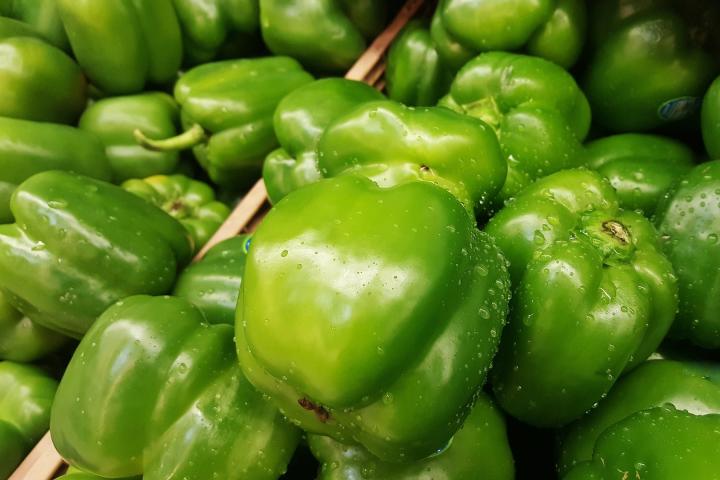
Begin harvesting bell peppers as soon as the plants begin fruiting and the peppers reach a usable size. You can harvest bell peppers when they’re green or when they reach their mature color, which may be red, orange, yellow, or even purple depending on the variety. Harvesting regularly prompts pepper plants to produce more fruit and safeguards harvests from pest damage; however, bell peppers get sweeter the longer they stay on the plant.
How to Harvest
To harvest bell peppers, hold the pepper stem and snip the stem off the plant with a clean pair of pruners, scissors, or a sharp knife. Don’t pull bell peppers off the plant as this can cause significant damage and make peppers less productive.
Storage
After harvesting, bell peppers should stay fresh in the cripsper drawer of your fridge for up to 10 days. For longer storage, you can also chop and freeze bell peppers, or wash, de-seed, chop and dry them in an oven or dehydrator set at 140°F for 4 to 6 hours.
Types
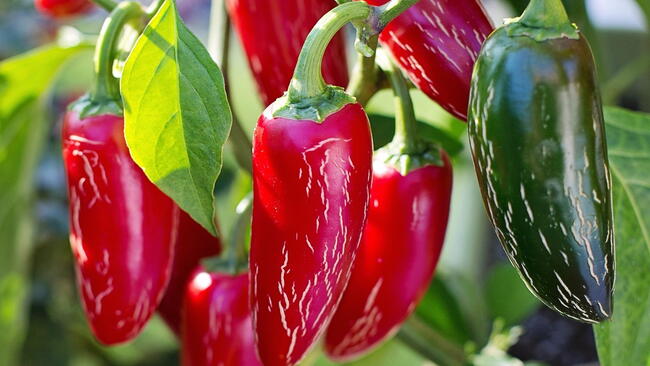
Look for varieties that ripen to their full color quickly; fully mature peppers are the most nutritious—and tastier, too!
- Green peppers that turn Red: ‘Lady Bell’, ‘Gypsy’, ‘Bell Boy’, ‘Lipstick’
- Orange: ‘Milena’, ‘Orange Sun’
- Yellow: ‘Golden California Wonder’

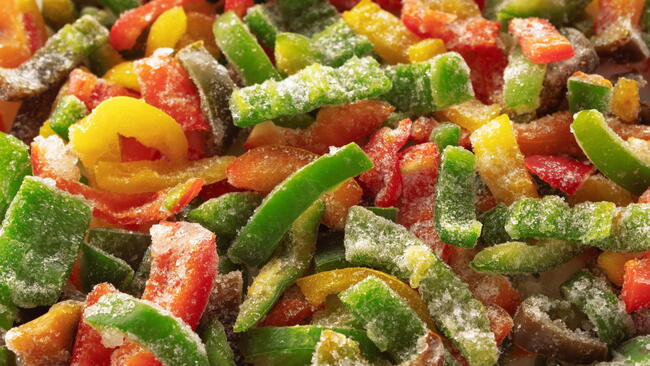

You can certainly freeze peppers, but it's recommended that you do a little prep work beforehand. Wash the peppers and dry them, cut off stems, split each pepper in half, and remove the seeds. Then cut into slices, if desired. Spread the pieces on a tray, so that each piece does not touch any other, then place in the freezer for about an hour or so until frozen. Then remove the tray and place the frozen pieces in a dated and labeled zipper freezer bag, squeezing out as much air as possible, and place in the freezer.
Insects and diseases might cause such symptoms, but it may actually be sunscald. Bell peppers are susceptible to sunscald, which occurs during high temperatures, especially during humid conditions, and direct exposure of the fruit to sunlight during its development. It can appear as faded, papery, blistered, or gray-white sunken areas on the fruit on the side that has been exposed to the sun; the areas will later dry and possibly develop black mold. It is best to have the fruit develop under the leaves; you can provide shade cloth or use row covers to help protect them. Staking plants as they grow also helps fruit to remain under the leaf canopy. Good watering and fertilization at the appropriate times help to develop a good canopy. Hope this helps!
It's OK to keep "potting up" peppers are they grow. They're quite adaptable. That said, we usually stop transplanting peppers once they have flowers and fruit as the fruit and blooms may die with transplanting. A 3 gallon pot (14-inch diameter) would be suitable for a couple pepper plants.
Hi Bella,
The 18 to 24 inches of space is a recommendation. 12 inches between each plant should be plenty, so don't remove any plants. As long as the area where your pepper plants are growing is in full sun, you should be fine. Thanks for writing!
- « Previous
- 1
- 2
- …
- 10
- Next »

Comments