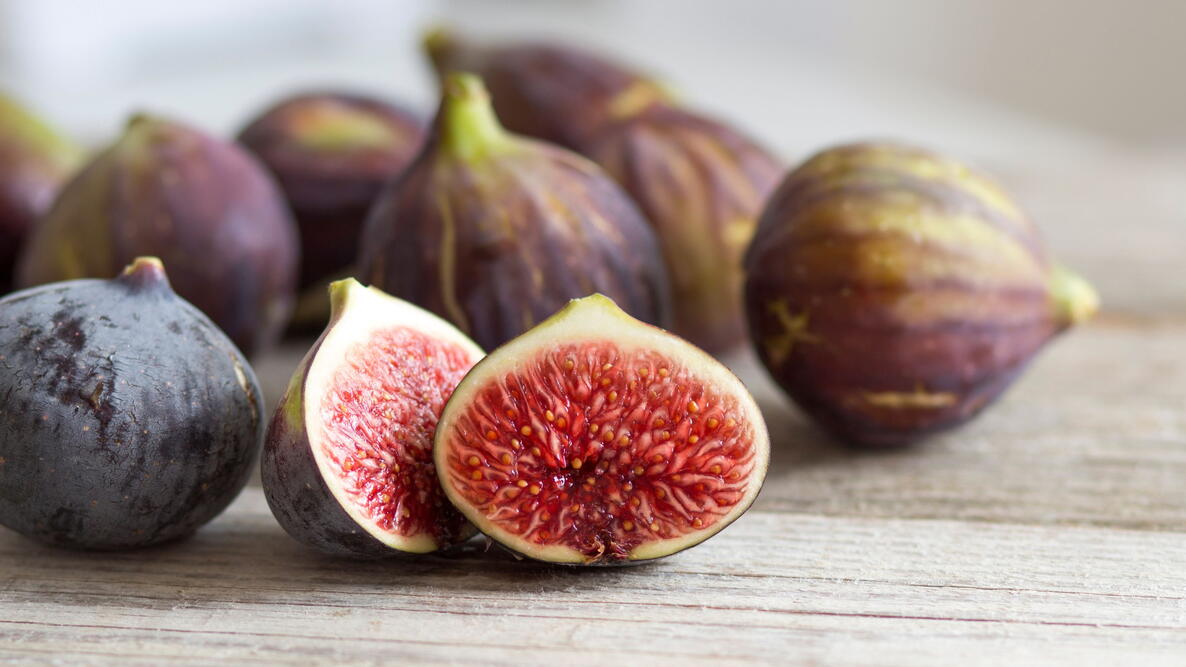
Planting
Figs can be planted outdoors without much trouble in Zone 8 and warmer. In zones where winter temperatures get colder than 10°F (-12 °C) for periods of time, be sure to choose a hardy fig variety.
When to Plant Fig Trees
Plant fig trees outdoors in the early spring or late fall when they are dormant. Alternatively, figs can be grown in large containers and brought inside for the winter.
How to Plant Fig Trees
- For container fig trees, grow them in a soil-based potting mix and add fine bark chips to improve drainage. Keep the tree in full sun in the summer. In the spring and summer, be sure to add a high-nitrogen fertilizer every 4 weeks and water the tree moderately. In the winter, move the tree indoors and keep the soil moist.
- For outdoor fig trees, plant the tree in the spring or early fall in full sun. Fig trees can grow in most types of soil as long as the soil is well-draining and contains plenty of organic material. (Learn more about organic soil amendments.)
- Space fig trees at least 20 feet away from buildings or other trees.
- If given the chance, fig trees put down deep roots, so bear that in mind when choosing a planting spot.
- To plant container-grown trees in the ground:
- Remove the plant from its pot and remove any circling roots by laying the root ball on its side and using shears to cut through the roots.
- Dig a hole that is a few inches deeper and wider than the spread of the roots. Set the tree on top of a small mound of soil in the middle of the hole. Be sure to spread the roots away from the trunk without excessively bending them.
- Plant the tree 2 to 4 inches deeper than it was originally in the pot (check the color of the trunk to see the original soil line).
Harvesting
Harvesting Figs
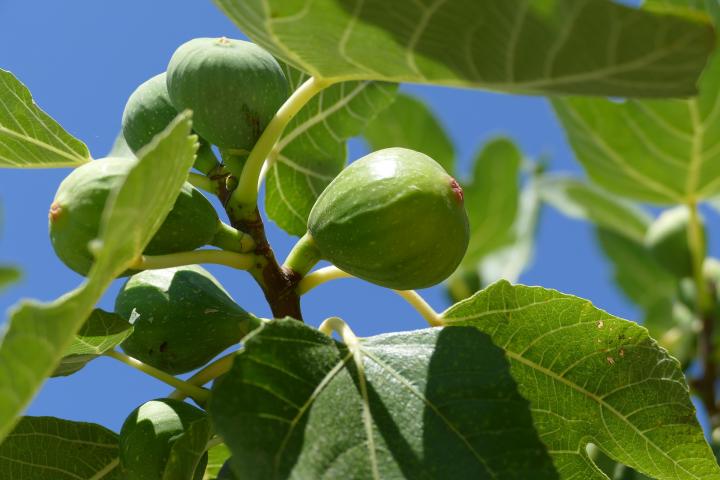
- You should harvest figs only when they are fully ripe, as they will not continue to ripen off the tree. The figs should be fully colored and slightly soft to the touch.
- You may need to invest in netting to protect your crop; figs are a favorite of birds and squirrels.
- When picking figs, wear gloves or long sleeves because the sap from the fig tree can irritate your skin.
- Figs are very perishable. Store figs in the refrigerator; they will keep for 2 to 3 days.
- For long-term storage, you can freeze figs whole for later use. Another storage method is to dry the figs. You can also can your own figs.

Types
- ‘Brown Turkey’ produces abundant medium to large figs. This type works best in warm climates but is fairly tolerant of cooler temperatures, too.
- ‘Celeste’ produces small, sweet, purplish figs. It is one of the more winter-hardy varieties.
- ‘Hardy Chicago’ is a winter-hardy variety that produces purple, medium-size figs.
- ‘King’ is well adapted for the cooler conditions found in the Northwest. It produces medium figs that are sweet and rich in flavor.
- ‘Kadota’ vigorously produces small to medium fruit. Its figs are rich and sweet, and it is the most commonly canned fig.






It's true that a fig tree should start producing fruit once it reaches two years of age, but it can take some trees as long as six trees to mature. Are your figs getting 6 to 8 hours of direct sunlight every day? That's what they need to bear fruit. Also, do you live in a climate that doesn't get colder than 15 degrees F? Figs do not do well in colder climates.
If there is a pest problem, the most common reason for poor fruiting in fig trees is nematodes. Soils in orchards and old gardens generally are heavily infested with nematodes. This is especially a serious problem for southern growers who have light, sandy soils. Treat such soils with a nematicide or with soil solarization. Consult your local cooperative extension for more information about treatments that are locally-approved. Young trees must be protected from nematodes if they are to get a good start. Once planted, this type of infestation is easy to diagnose by uncovering some roots and inspecting them. If you see tiny galls or swellings on the roots, you have root-knot nematodes. The best control is to destroy infected plants and not use that site for figs again. Pears typically produce the first fruits three years after planting, although they won't produce a full crop for five to seven years.
It may be that the tree is not getting enough water; leaves turning yellow and falling is symptomatic of that. It could also be a sign of worse things. We suggest you review this page: http://afghanag.ucdavis.edu/a_horticulture/fruits-trees/figs-1/manfruitnswfiggrowingext.pdf for possible conditions. This is a California cooperative extension/university page. TO find the coop ext service nearest you, click here and find your state: http://www.almanac.com/content/cooperative-extension-services
We hope this helps!
Hi, Margaret. While we don't have any fig jam recipes, we do have plenty of other recipes featuring the delicious fruit. Go to this page and type "fig" in the search bar: http://www.almanac.com/cooking
Hi Stephanie,
You can transplant now or later, whichever you decide. The only danger is that figs are sensitive to heat: Water the tree heavily a couple of days before transplanting to let it soak up plenty of moisture. Plant the tree on a mild, overcast day to limit the chance of shock. After planting, water around the fig tree's base to settle the roots.
- « Previous
- 1
- 2
- …
- 10
- Next »

Comments