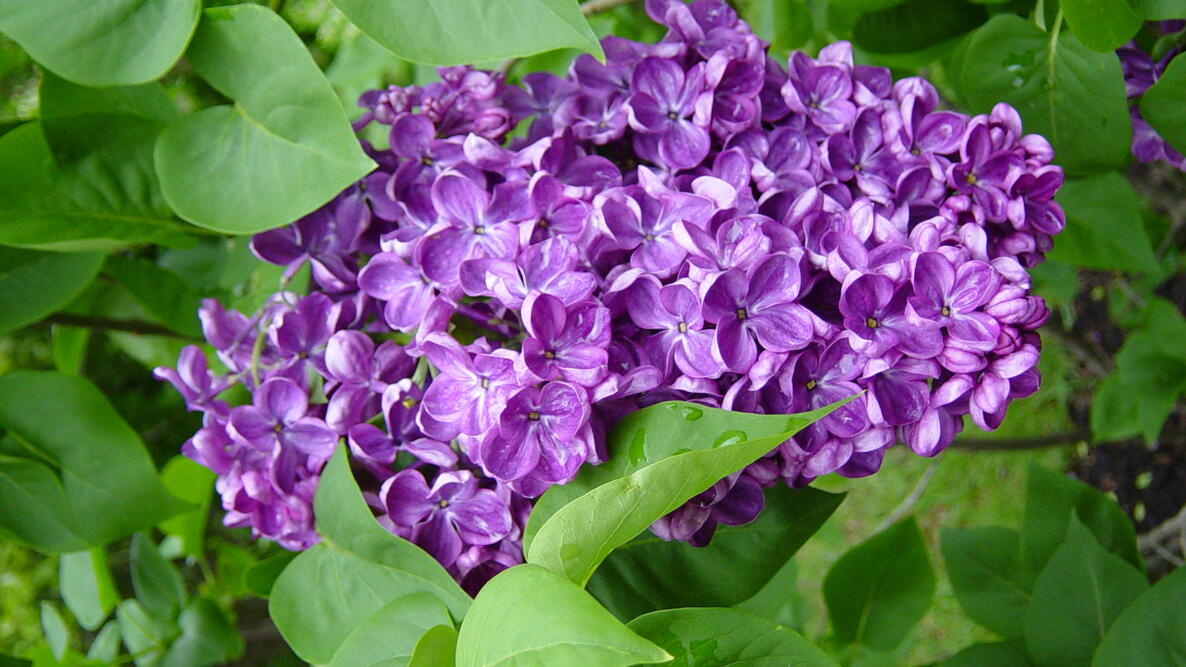
Caption
Huge blooms, wonderful scent.
Image Credit:
Wally Patrick
Botanical Name
Syringa spp.
Grown as
Toxicity
Sun Exposure
Water Needs
Height
Spread
Soil pH
Resilience
Plant Type
Types
For early flowers, try Syringa x hyacinthiflora hybrids; they bloom 7 to 10 days before S. vulgaris. Its fragrant blooms attract butterflies and hummingbirds.
The most common and fragrant lilacs are of the S. vulgaris variety:
- Try ‘Charles Joly’, a double magenta flower, an early bloomer.
- Mid-season lilacs include ‘Monge’, a dark reddish purple, and ‘Firmament’, a fine blue.
- Late-season beauties include ‘Miss Canada’, a reddish-pink, and ‘Donald Wyman’, a pink-purple flower.
Uncommon types/varieties include …
- S. x ‘Penda’ Bloomerang Purple: flowers in spring, pauses, then flowers again from midsummer through fall.
- Although common lilacs love cold weather, a few thrive as far south as Zone 8, including cutleaf hybrid S. x laciniata, with fragrant, pale lavender flowers, and S. pubescens ssp. patula ‘Miss Kim,’ with pale, lilac-blue blooms that fade to white.
Small Lilacs
For gardeners, especially those in urban spaces, who just don’t have the room for the traditional larger lilac, there are compact varieties! They’ll even grow in a container on your patio or balcony.
- ‘Baby Kim’ grows only 2 to 3 feet high (and 3 feet wide) in a nicely rounded shape with purple flowers that attract butterflies. Extended hardiness from Zones 3 to 8.
- ‘Little Lady’ (S. x) is a compact lilac that matures to 4 to 5 feet tall and wide with dark pink buds that open to lilac-pink flowers. Hardy in Zones 2 to 7.
- ‘New Age Lavender’ and ‘New Age White’ (S. vulgaris) are super-compact, growing from 4 to 5 feet tall and wide, and bred for mildew resistance. Their fragrant flowers attract butterflies and hummingbirds. Hardy to Zone 4.

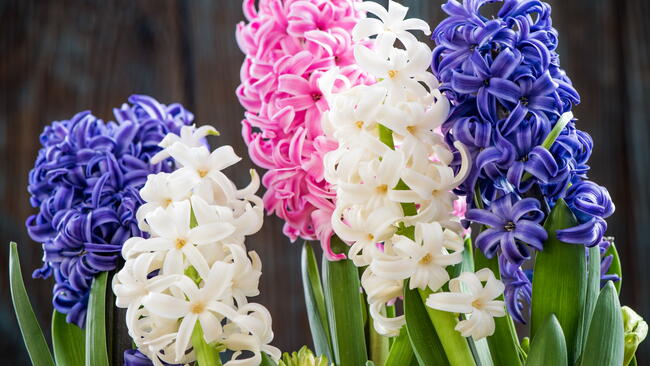
I have Pink and Purple lilacs. if planted to close to each other will I end up with just one color. or will each plant retain it's own color
Each will keep its own color. We have pink, white and purple bushes all in a row. Enjoy.

Lilacs don't change color based on the soil or surroundings (unlike hydrangeas and some other flowers).
I transplanted three dwarf lilacs last fall. They all bloomed this spring and seemed to be thriving then the leaves began to curl and one bush died, and the other two are marginal. I sprayed Seven but had no effect. Can you help?
Curling leaves often means not enough water or improper watering. Take a trowel and dig down into the soil below the lilac to if water is getting down deep into the roots. If not, put the hose on and let it trickle for a good 20 minutes as they are thirsty.
Do lilacs attract bees or wasps? I am hoping to plant my lilacs around our deck to close in the bottom, but i don't really want to be fighting the bees and wasps all summer and not be able to enjoy my deck.
Yes, lilacs do attract bees (and wasps). They have nectar-rich blossoms. Consider foliage plants instead.
I planted 50 lilac bushes 7 yrs ago, they were in an area where they got little water in summer, they look meager and a bit sparse. How can I make them produce more leaves for a full or lush look?? I recently transplanted all of them to our new home since the buyer didn't want them. They are 3-5' tall. Will severe pruning cause them to " flesh out"??
Pruning is the best way to rejuvenate lilacs. The best time to prune is after May bloom but before new flower bud set for next year in early July. Cut out any dead wood and remove the spent flowers. Prune out the oldest canes (down to the ground) and cut back some of the newer branches by 1/3. Do this again next spring and you should see healthier bushes with more leaves and flowers.
Why is it that some years there are Huge blossoms on my lilacs and some years like this year, they are tiny?
- « Previous
- 1
- 2
- …
- 10
- Next »
📣The Gardening Club Just Got Better! 3 Deliveries, 10% Store Discount, and more!

Comments