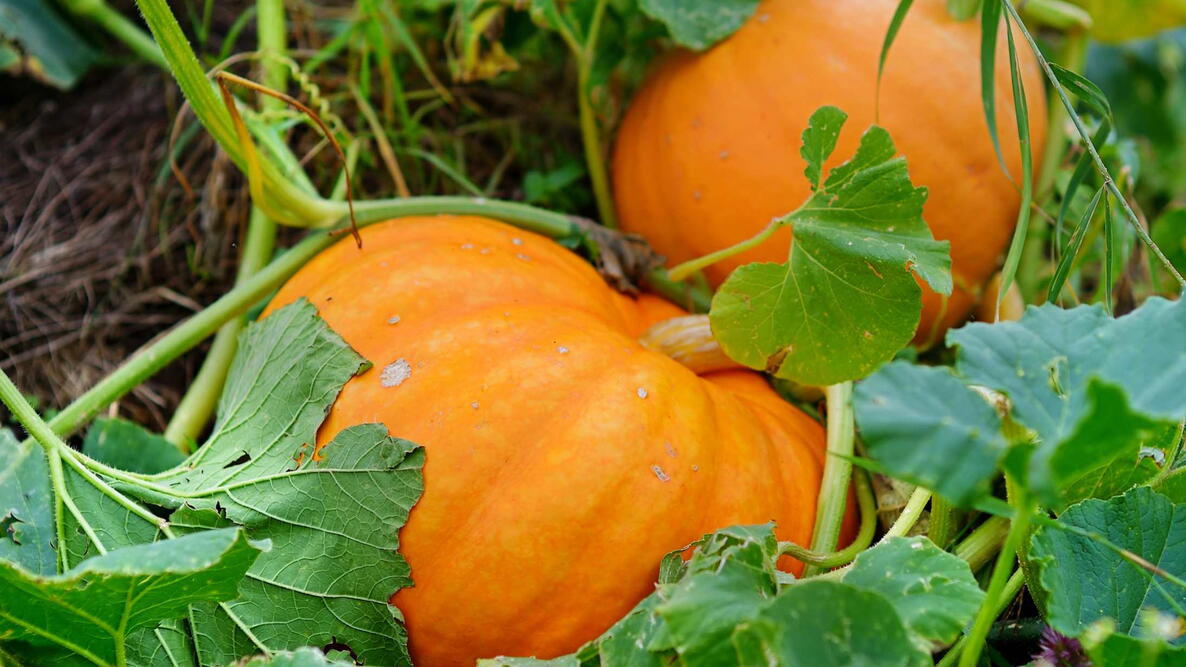
Growing
Watering
Pumpkins need about 1-inch of water per week, either from your hose or rainfall. For best results, water plants deeply in the morning and on very hot afternoons — especially during fruit set — and do your best to direct water straight to the plant roots. Keeping pumpkins leaves dry is one of the best ways to avoid rot and common diseases like powdery mildew.
Fertilizing
Blending compost or aged manure into the soil before planting helps pumpkins grow better and encourages larger fruit production. After that, side-dress plants with additional aged manure or compost mixed with water as needed and feed with a high nitrogen fertilizer when the plants are about 1-foot tall and the vines are just about to run. When flower buds form, switch to a high phosphorus fertilizer to fuel rapid pumpkin growth.
Pruning or Maintenance
Covering pumpkins with row covers early in the season can reduce some pest problems, but covers need to be removed before flowering to allow for pollination. Bees and other pollinators are essential for pumpkin growth, so avoid using pesticides whenever possible and consider growing flowering companion plants near pumpkins to increase pollinator activity. Placing a bee house in your garden is an effective way to draw bees in too.
Careful pruning can reduce disease, increase fruit size, and is key if you want to grow prize winning pumpkins. To do this, pinch off the fuzzy ends of pumpkin vines after a few pumpkins form to stop vine growth and focus the plant’s energy on fruiting. Once the fruit develops, remove all but the best 1 to 3 pumpkins per plant as well as all late blooming flowers, prune the main and secondary vines to 10 to 15 feet, cut away the smaller, tertiary vines, and bury the cut vine tips in the soil to optimize fruit development.
As the fruit matures, turn pumpkins carefully to encourage even growth. Placing a thin board, stone, or piece of tile under pumpkins can protect fruit from rot and pest damage as well.
Tip: If your first flowers aren’t forming fruits, that’s normal. Both male and female blossoms need to open for pollination to occur. Patience is key!
Seasonal Care
Maintaining a regular watering and fertilizing regimen is essential if you want to grow the best pumpkins. It’s also a good idea to add mulch around plants to retain moisture and suppress weeds. When needed, weed carefully to avoid damaging delicate pumpkin roots and vines.
If you’re growing pumpkins on a trellis, support developing fruit with a hammock or old nylon stocking to prevent vine breaks.

Types
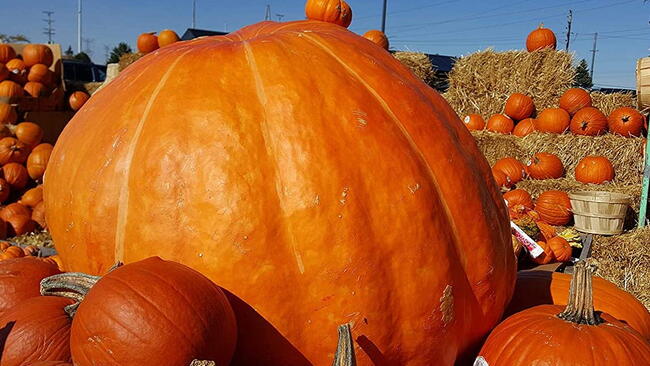
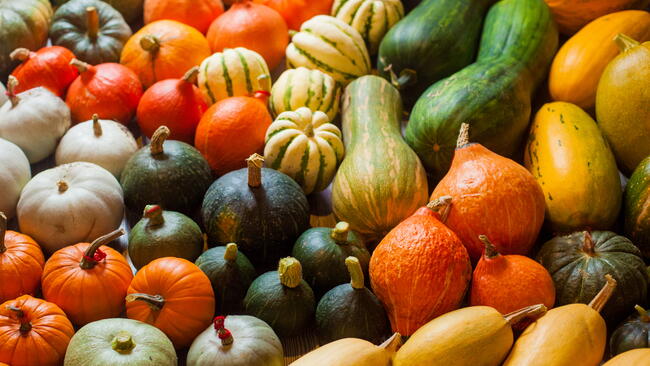
Pumpkins come in different sizes and colors and can be used for different purposes. Athough all pumpkins are technically edible, some are better for carving or display, while others are ideal for cooking. Knowing how you’d like to use pumpkins will help you select the very best varieties for your goals!
- Miniature pumpkins like ‘Jack Be Little’ and ‘We-B-Little’ are great for ornamental use and small spaces. They’re also super productive and easy to grow.
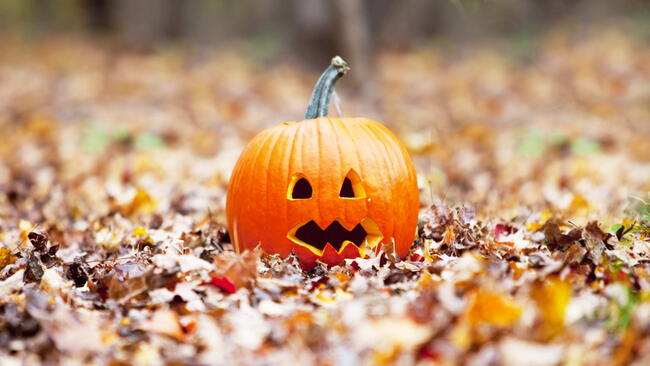
- Carving pumpkins like ‘Autumn Gold’ or ‘Merlin’ are the pumpkins you want for jack-o-lanterns.
- Pie pumpkins like ‘Sugar Treat’ and ‘Peanut Pumpkin’ are prized for their sweet flesh and can be used for pies, soups, curries, and purees.



- « Previous
- 1
- 2
- …
- 10
- Next »

Comments