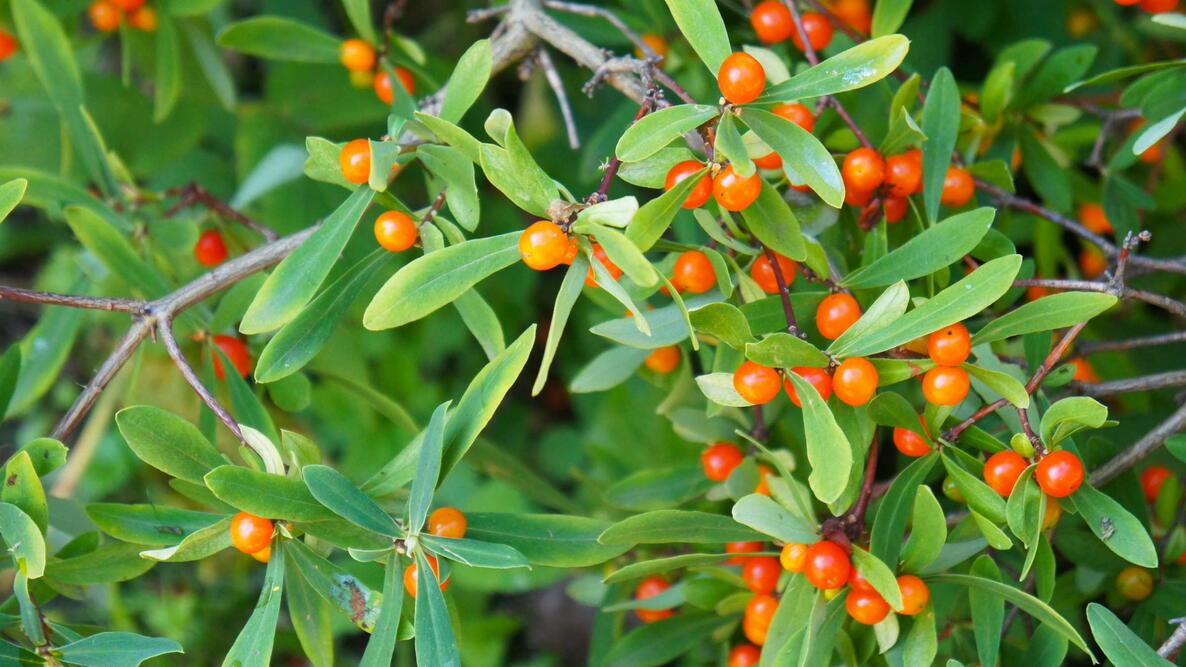
Fall brings a beautiful display of colorful berries, but not every berry you see is safe to eat. Some poisonous berries can cause serious illness if swallowed, while others may be especially dangerous to children and pets. Learn how to recognize 12 poisonous berries and berry-producing plants commonly found in gardens, yards, and the woods—and remember: Never eat a wild berry unless you can positively identify it as safe.
Important: Berry identification can be difficult, and some poisonous berries resemble edible species. Never eat a wild berry based solely on an online photo or this list. If you think a poisonous plant or berry has been swallowed, contact your local poison center or seek medical advice immediately.
1. Privet
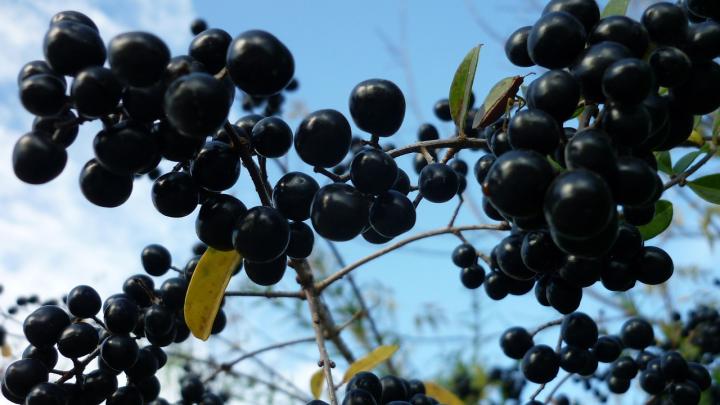
Privet is widely grown as a hedge, but if eaten, its leaves and black berries are toxic to humans and dogs.
2. Yew
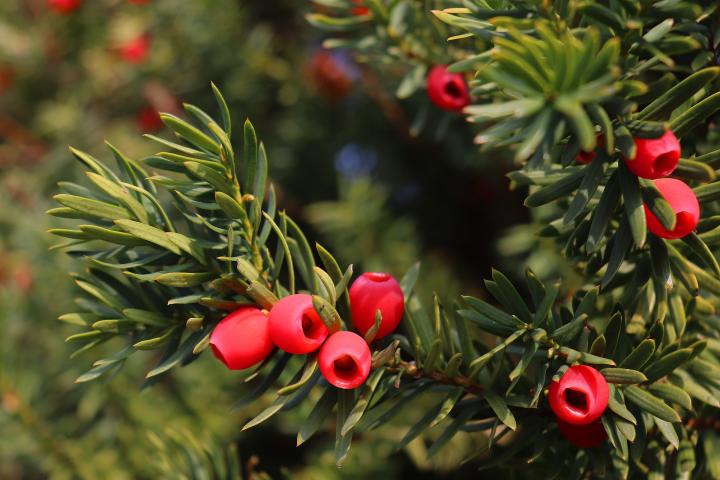
Yews are another commonly grown shrub. The red berries are not toxic, but the seeds contained within them can be if enough berries are consumed.
3. Elderberry
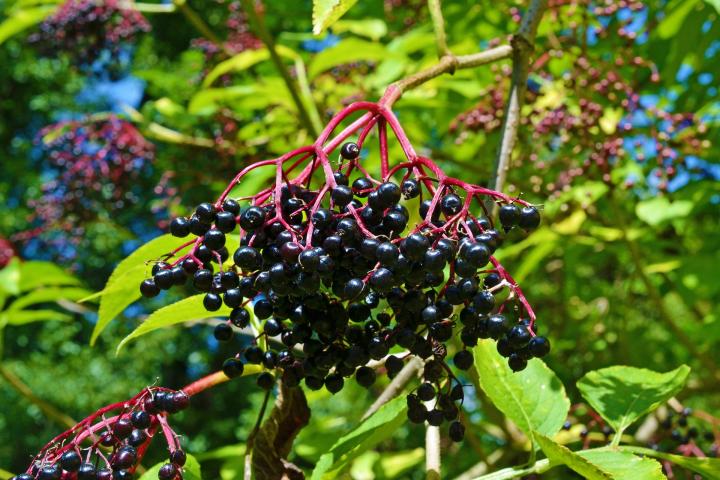
Elderberry also contains poisonous seeds in its berries. Raw or improperly prepared elderberries can cause nausea, vomiting, abdominal cramps, and diarrhea. Cooking the berries properly breaks down the compounds responsible for the toxicity, which is why elderberries are commonly used in cooked jams, jellies, syrups, and pies. See how to make elderberry syrup.
4. Laburnum
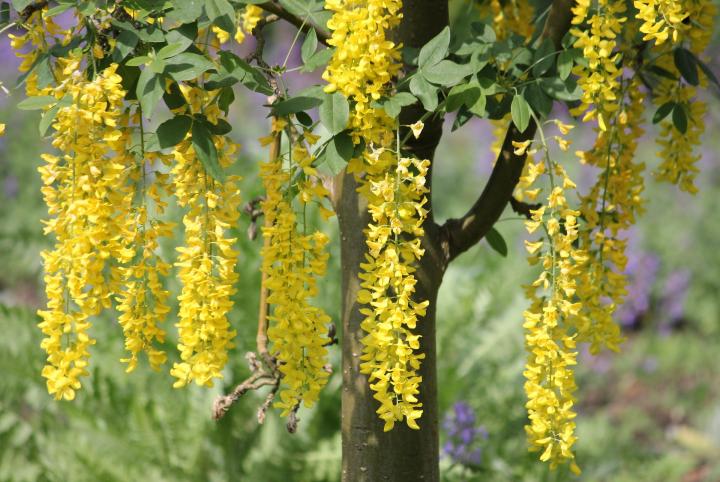
Laburnum is often called the golden rain or golden chain tree for its lovely cascades of yellow flowers. After blossoming, it forms pods full of pea-like seeds that can cause vomiting, convulsions, or a coma when eaten.
5. Virginia Creeper
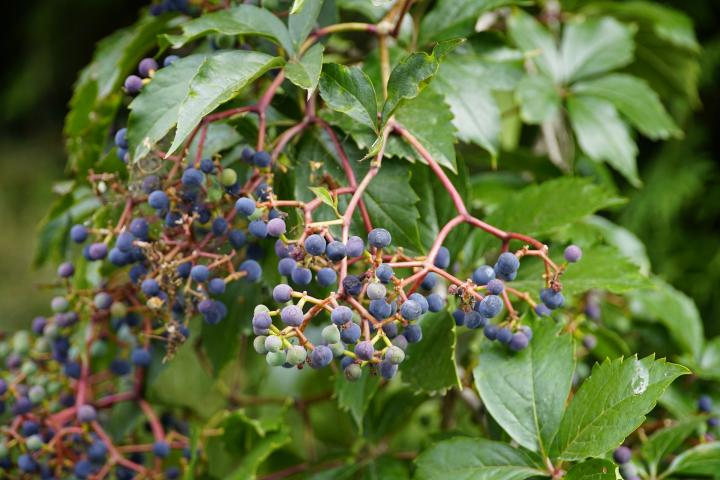
Virginia creeper is a fast-growing perennial vine that is found in many gardens. Its small blue berries are highly toxic. Birds love the berries, however, and can enjoy them with impunity. This is a popular plant for fall foliage.
6. Burning Bush

Burning bush (Euonymus alatus) is an invasive shrub that is still found in many gardens. All parts of this plant are toxic, and, in the fall, it produces bright red-orange berries to tempt the unwary. Just another reason to eliminate this plant from your landscape.
7. Lily of the Valley
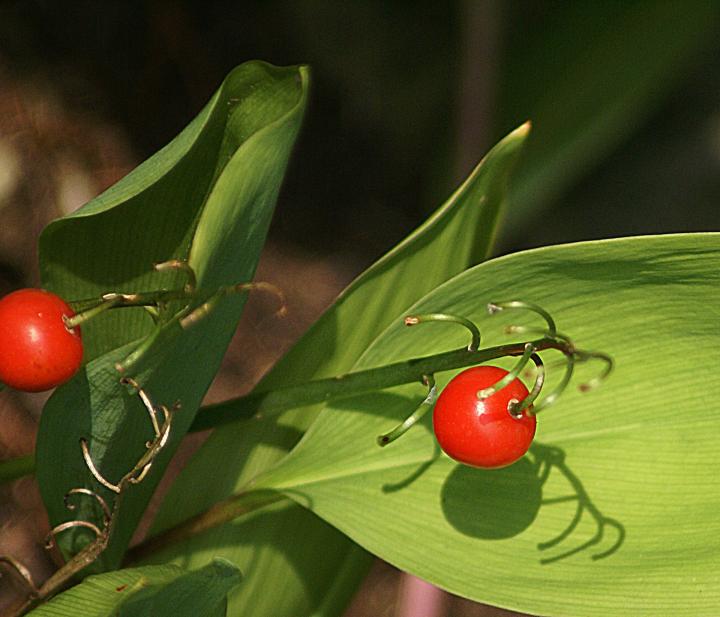
Lily of the valley is another beauty that is totally poisonous. The red berries it produces in fall are especially attractive to toddlers since they are so close to the ground. See our Growing Guide on Lily of the Valley.
8. Pokeweed
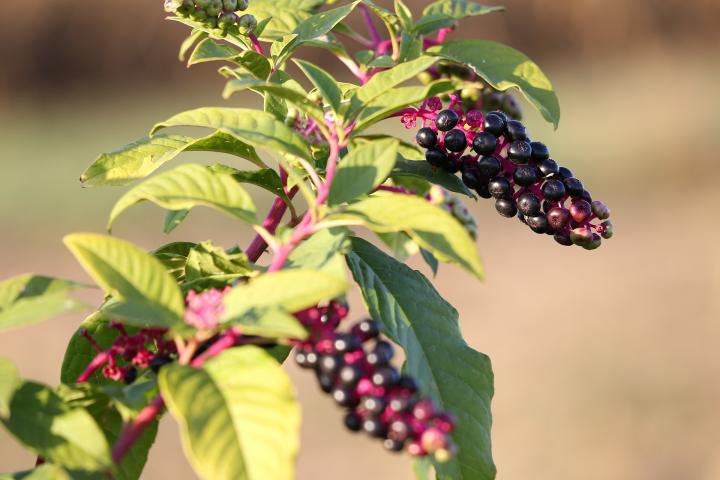
Pokeweed is a commonly found weed growing at the edges of cultivated land. Birds eat the dark purple berries and deposit the seeds when in flight, spreading the plants everywhere. Humans and other mammals are not so lucky, and eating just a few of these delicious-looking berries can prove fatal.
9. Daphnes
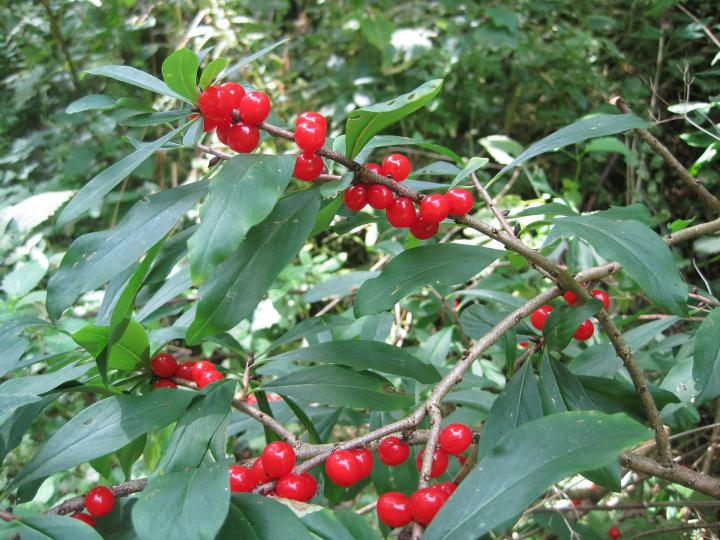
Daphnes are popular spring-flowering shrubs. Unfortunately, all parts of the plant are poisonous to humans and other mammals. In the fall, they produce berries that can cause severe abdominal pain, vomiting, and lethargy when eaten.
When walking in the woods this fall, keep an eye out for some of these poison berries:
10. Baneberry
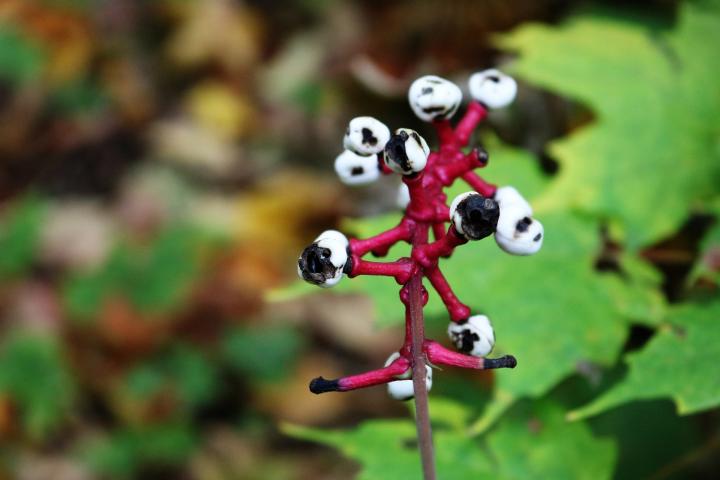
Baneberry is a member of the buttercup family (Ranunculaceae), which includes many beautiful but deadly plants. Both red (Actaea rubra) and white (A. pachypoda) baneberry plants have poisonous berries that can cause cardiac arrest if eaten. The white berries have black spots on them, earning them their other common name: “doll’s eyes.”
11. Jack-in-the-Pulpit
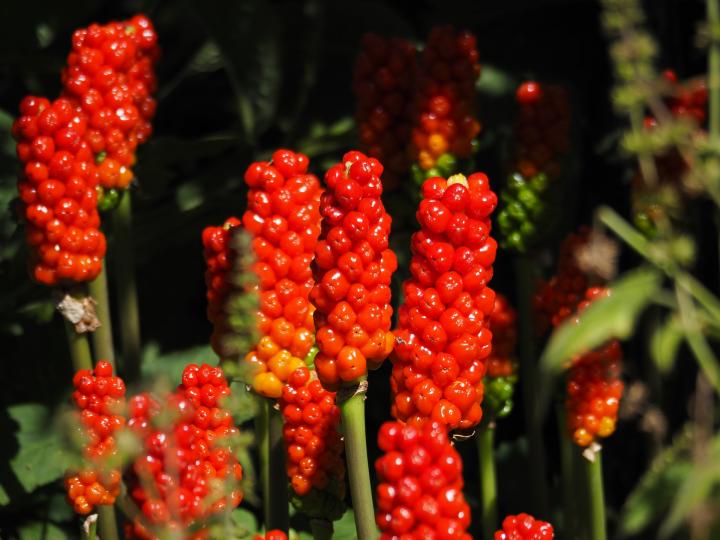
Jack-in-the-pulpit is another woodland plant that produces a cluster of shiny red berries in the fall. They won’t kill you if ingested, but they can cause blisters in your mouth. If you must handle the berries, wash your hands well before touching your eyes, mouth, or nose—or wear gloves for protection.
12. Bittersweet

Bittersweet has showy orange and yellow berries prized for fall decorations. All parts of the plant are poisonous to humans and pets, although birds and squirrels love the berries. Birds eat the berries, depositing seeds everywhere, which has contributed to the spread of the invasive, non-native Oriental bittersweet.
| Berry / Plant | Appearance | Toxicity / Effects | Tips / Notes |
|---|---|---|---|
| Privet | Black berries, dense shrubs | Toxic to humans and dogs | Common hedge plant; avoid ingestion |
| Yew | Red berries with seeds inside | Seeds toxic; can be fatal if enough eaten | Red berry flesh is not toxic, seeds are |
| Elderberry | Dark purple berries | Seeds contain cyanide-like compounds; nausea, vomiting | Safe when cooked into jams, syrup, or pie |
| Laburnum | Yellow pods with pea-like seeds | Vomiting, convulsions, coma | Known as golden rain tree |
| Virginia Creeper | Small blue berries | Highly toxic; can be fatal | Birds can eat safely; humans should not |
| Burning Bush | Bright red-orange berries | Toxic to humans and pets | Invasive; best to remove from gardens |
| Lily of the Valley | Red berries, low-growing | Poisonous; especially dangerous to toddlers | Handle with gloves; keep out of reach |
| Pokeweed | Dark purple berries | Highly toxic; fatal in small amounts | Do not eat raw; toxic to humans and pets |
| Daphnes | Colorful berries, shrubs | Severe abdominal pain, vomiting, lethargy | All parts are toxic |
| Baneberry | Red or white berries (white has black spots) | Cardiac arrest possible | White berries called “Doll’s Eyes” |
| Jack-in-the-Pulpit | Shiny red berries | Mildly toxic; mouth irritation | Wash hands after handling |
| Bittersweet | Orange/yellow berries | Toxic to humans and pets | Common in fall decorations; invasive species |
What About Edible Wild Berries?
Of course, there are also some wild berries that are delicious and safe to eat! Examples include: huckleberries, gooseberries, chokeberries, and saskatoon berries.
Don’t let fear of being poisoned stop you from enjoying the outdoors. Instead, turn this into an opportunity to learn more about the natural world around you and respect the power of plants!
FAQs
What are some common poisonous berries?
Common poisonous berries and berry-producing plants include privet, yew, Virginia creeper, pokeweed, baneberry, lily of the valley, daphne, and bittersweet. Some can cause serious illness if eaten, so never eat a wild berry unless you can positively identify it as safe.
How can you tell if a berry is poisonous?
You cannot reliably tell whether a berry is poisonous by its color, shape, or appearance alone. Some poisonous berries closely resemble edible ones. Proper identification requires looking at the entire plant, including its leaves, flowers, stems, and growth habit.
Are red berries poisonous?
Not all red berries are poisonous, and not all poisonous berries are red. Berry color alone is not a reliable way to determine whether a plant is safe to eat. Always positively identify an unfamiliar berry before eating it.
Are berries that birds eat poisonous to humans?
Yes. Birds can safely eat some berries that are poisonous to humans. Their ability to eat a particular berry does not mean it is safe for people, so don’t use wildlife as a guide when deciding whether a berry is edible.
What should you do if you eat a poisonous berry?
If you or someone else may have eaten an unknown or poisonous berry, don’t wait for symptoms to appear. Contact your local poison center or seek medical advice. If possible, keep a sample or photograph of the plant to help with identification.
Are poisonous berries dangerous to dogs?
Some poisonous berries and the plants that produce them can be harmful to dogs. Keep pets away from unfamiliar berries and plants, and contact your veterinarian or an animal poison service if your pet may have eaten something toxic.
Are elderberries poisonous?
Raw or improperly prepared elderberries can cause illness, including nausea, vomiting, abdominal cramps, and diarrhea. Properly prepared elderberries are commonly used in cooked foods such as jams, jellies, and syrups.
Are yew berries poisonous?
The seeds inside yew berries are highly toxic, while the fleshy red portion surrounding the seed is not considered toxic. Because separating the seed safely can be difficult, it’s best not to eat yew berries.
Can you eat wild berries?
Some wild berries are edible, but never eat an unfamiliar wild berry based solely on a photograph, its appearance, or the fact that birds are eating it. Positive identification is essential before consuming any wild plant.
See our list of poisonous plants for dogs, cats, and other pets.


Fall Flowers and Foliage
Fall Vegetable Gardening
Fall Garden Cleanup
Garden Soil Preparation
Fall Nature
More Like This





Comments