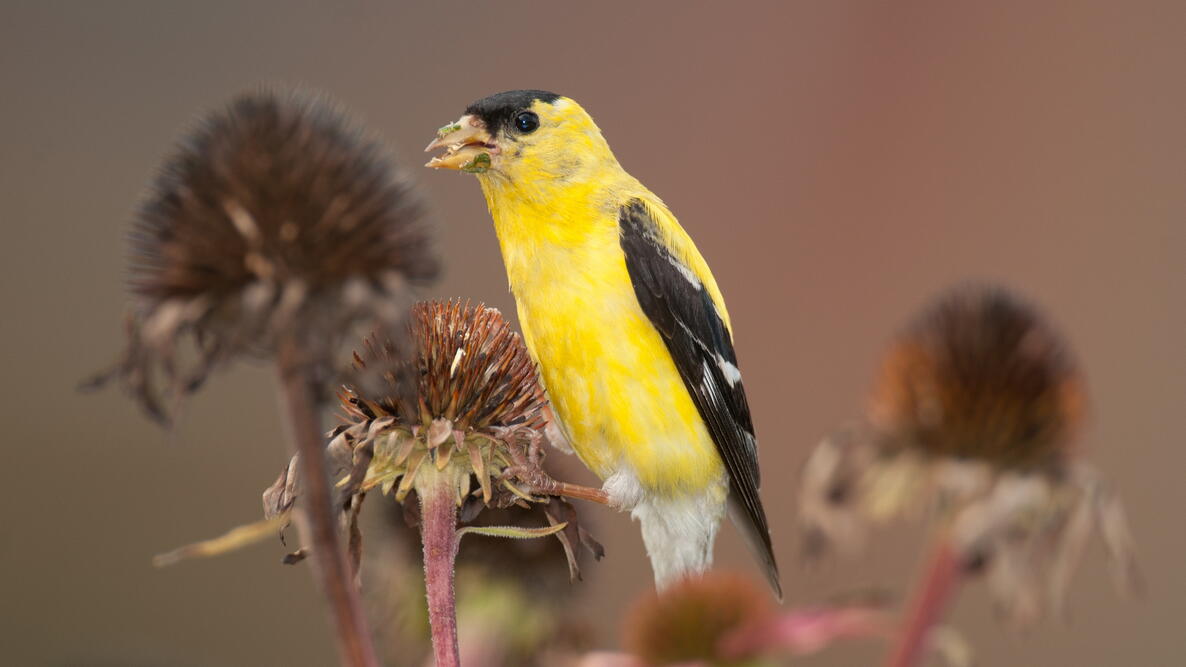
Caption
There are good reasons to cut back or slow up your fall cleanup. Spare a thought for the beneficial bugs and birds who need shelter over winter and are our garden allies. Here are seven ways to strike a better balance—and make our fall cleanup a bit easier on our backs as well!
1. Leave Some Leaves
We rake, mow, and leaf blow away every bit of fallen foliage. Do we really need to rake every leaf? The answer to this question is NO. Here are tips:
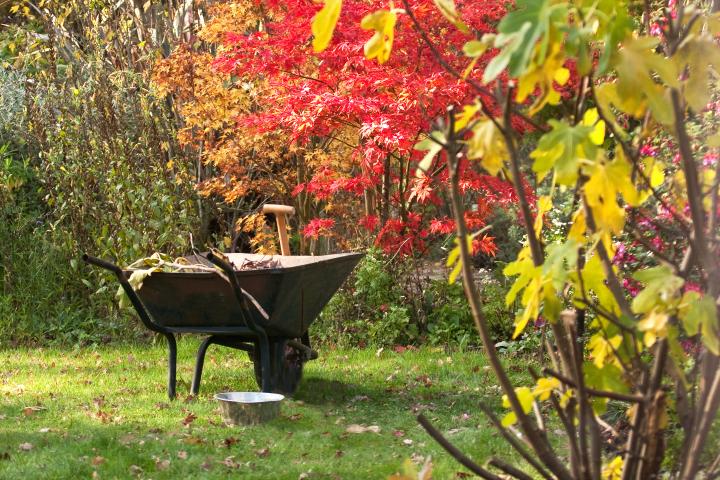
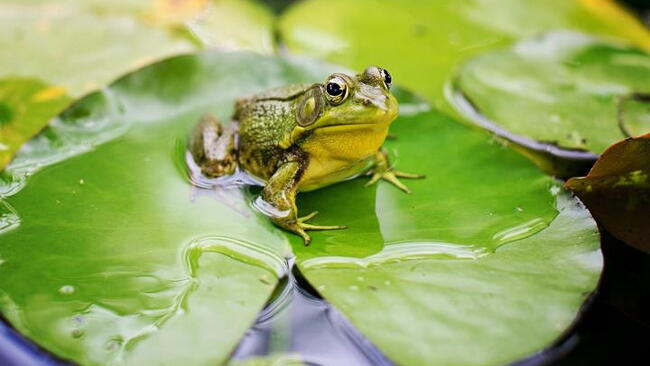
- Leave a few out-of-the-way leaf piles in the corners of your yard and allow leaves to remain under shrubs as a natural insulator. You may not realize it, but you provide safe harbors for overwintering pollinators. Butterfly pupae will snuggle up in a chrysalis hanging from a dead plant, native bees will hibernate in the hollow stem of a bee balm plant, birds will flit around spent sunflowers, and caterpillars will roll into the seedpod of a milkweed plant. Frogs and other wildlife also need fall leaves for insulation, similar to the way we need a winter coat.
- The only area of leaf cleanup that matters is turfgrass. Tree leaves can fall but should not cover a significant portion of turfgrass. Don’t cover more than 20 percent of your lawn, nor allow leaves to mat in layers. This inhibits growth, invites mold, and encourages damage from rodents.
- What to do with leaves? Mulch with a mower. This has many benefits, from adding nutrients and organic matter to the soil to reducing weed seed germination. This requires more frequent mowing in the fall and possibly several passes with the mower to mulch the leaves into small pieces.
- Or, if you have a lot of leaves on your lawn, why not rake them up and make leaf mold with them?! See how to make leaf mold.
- Add some of the shredded or whole leaves to your garden beds or other areas of your property where they can serve as a mulch and break down over time.
2. Compost Leaves (If You Don’t Already)
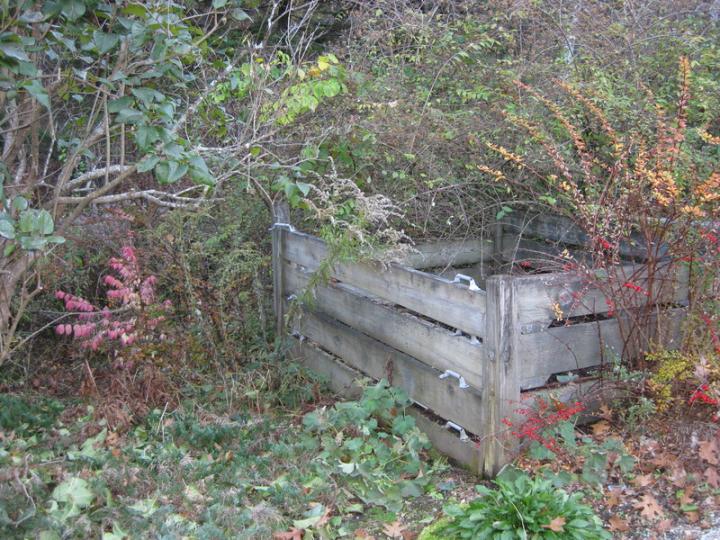
Fall is the perfect time to start a compost pile in the corner of your yard to make free, nutrient-rich fertilizer for the spring. Layer your “brown” leaves with “green” materials to mix high-carbon and high-nitrogen inputs for faster composting. Keep the pile slightly moist and turn it occasionally to aerate and mix the material. See how to build a compost heap to keep it cooking.
3. Clean Up Perennial Flowers
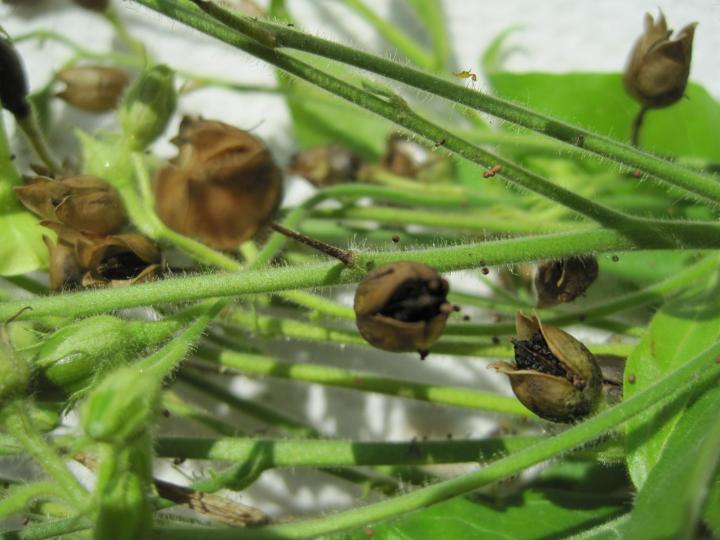
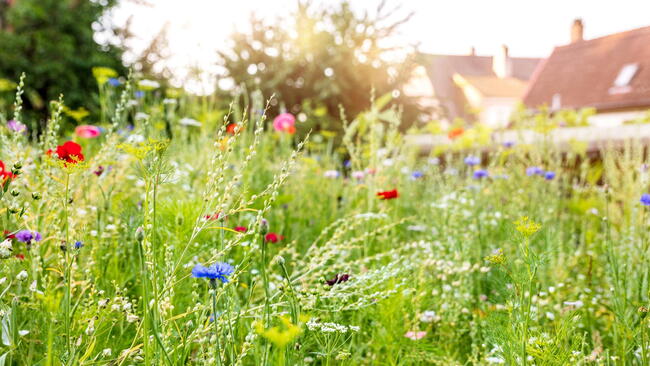
In general, consider leaving most perennials uncut through the winter. Native bee species like small carpenter, mason, and leaf-cutter bees nest in hollow stems. Many butterfly caterpillars pupate and spend the winter on these plants as well. We can preserve these pollinating insects by leaving this plant material in the landscape for next year. Leave healthy stems standing through winter, and avoid rushing to remove them in early spring.
Many perennials, such as coneflowers, sedums, black-eyed Susans, and Joe-Pye weeds can be important food sources for seed-eating birds, like finches, during the winter. Allow their seed heads to ripen until they turn brown and split open. These seed capsules are like salt shakers full of tiny seeds. They’ll self-sow to create more native flowers! Discover 20 self-sowing flowers.
On the other hand, some plants such as bearded irises, lilies, and peonies should be cut back in the fall to avoid pests and diseases from overwintering in the stems and on the foliage. Learn which perennials to leave and which to cut back.
Be sure to get rid of any diseased plants as soon as you notice them. This removes overwintering fungi and insects that can attack plants in the spring.
4. Clear Away Vegetable Crops
It’s important to clear away diseased plants and any dead or rotting plant material. Pest insects, like squash bugs, and diseases can overwinter, bridging the gap between this year’s crops and the next. Cover the ground with an organic mulch to protect it from winter weather, or plant a cover crop.
For fruit trees and berry bushes, we prefer to delay mulching until the end of winter. This means that once all of the leftover leaves are raked up, frost will have a clear run, penetrating down into the top layers of soil and cleansing it of overwintering pests lurking there.
Take this opportunity to remove canes and other plant supports. Wipe or wash off any soil, leave them to dry off, and then store inside or somewhere at least sheltered from the worst of the weather.
Also, weed! You may have thought that the weeding was over, but experienced gardeners know that fall is the most important time for weeding—even if frost has killed your flowers and veggies. Winter annual weeds like henbit, common chickweed, and shepherd’s purse will germinate in the fall and resume growth in spring. Managing them in the fall prevents weed problems in the spring!
5. Leave Grass Long
Just as we leave some perennials longer, you’re best off leaving the grass to grow a little longer over the winter. Soil-enriching caterpillars and other bugs bury right down into the thatch; a close-cropped lawn doesn’t do them any favors.
For this reason, set your mower blades fairly high for the season’s final cut. This will help protect the soil and make your turf healthier. You can also take the opportunity to give your lawn a neat, crisp finish. Also, if you mow your lawn, use a shredding or mulching mower, as it’s actually healthier to return leaf litter to the soil rather than raking it up.
6. Support Wildlife
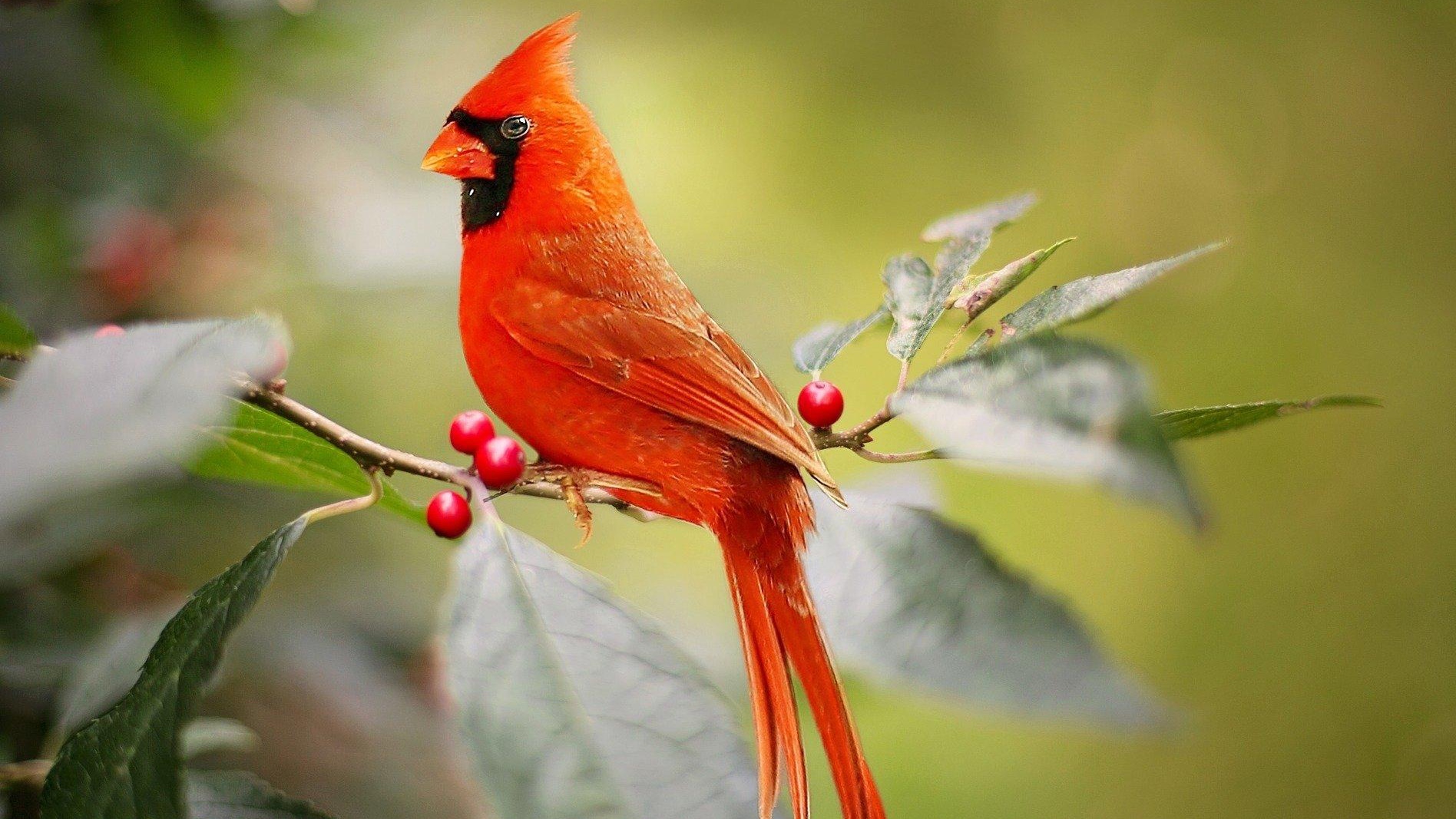
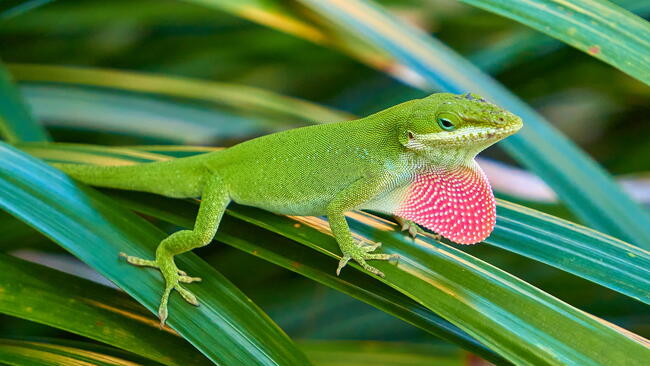
One of the fall tasks we enjoy is gathering shrub clippings and creating brush piles in the yard’s corners. Think of this as creating little safe houses for birds and little mammals (as well as frogs and reptiles). To provide warmth and protection, add more tree branches to build up the pile.
Keep bird feeders topped up. Birds particularly appreciate fatty, high-energy foods during the cold months. Establish a feeding routine, offer water, and regularly clean feeders and bird baths to maintain good hygiene. See more about feeding garden birds in winter.
Fall is also a good time to plant new wildlife-friendly hedges. Include berry-producing species like hawthorn or shrubs like pussy willow that will support butterflies. See the best shrubs for the birds.
7. Plant Bulbs for Pollinators
Remember that those spring-flowering bulbs provide early nectar for pollinators like bees. Daffodils, crocuses, grape hyacinths, and the stunning snake’s-head fritillary are a few good choices. See our list of fall-planting bulbs for spring flowers.
Plant bulbs in the fall when temperatures cool in warmer locations and about 6 weeks before the ground freezes in cold climates. Larger bulbs are best planted 8 inches deep; smaller bulbs, 4 inches deep. Bulbs can be planted in groups or gardens of the same color, or you can also scatter bulbs across your perennial beds for pops of color in early spring. If deer are a problem in your area, stick to snowdrops, alliums, and crocuses.
Speaking of bulbs, be sure to dig up tropicals such as cannas, dahlias, elephant ears, caladium, and gladiolus before a hard freeze arrives!
Learn more! Watch how we tidy up the garden and help wildlife at the same time.
The important point is to consider our garden allies as we go through our fall cleanup checklist.
Where will beneficial pollinators spend the winter and what will they eat? Share your tips for getting the balance right down below! We’d love to know your views and experiences on this.
Learn more about overwintering your plants and garden and preparing your garden for winter.
Frequently Asked Questions
-
Should you leave fallen leaves in your garden over winter?
Yes. Leaves under shrubs, in garden beds, and in out-of-the-way corners provide shelter for overwintering insects and other wildlife. Remove thick, matted layers from lawns and keep paths, drains, and ponds clear.
-
Should you cut back all perennials in the fall?
No. Leave healthy stems and seed heads standing where possible. They provide winter shelter for beneficial insects and food for birds. Remove diseased foliage and clean up plants with known pest problems, such as bearded irises affected by iris borers.
-
How can you clean up your garden without harming pollinators?
Focus on selective cleanup. Keep some fallen leaves, standing stems, and brush piles in undisturbed areas. Remove diseased plant material and problem weeds while preserving places where beneficial insects can spend the winter.
-
When should you clean up your garden in spring?
Avoid removing all leaves and stems at the first sign of warm weather. Different insects emerge at different times, and some continue using this material well into spring. Leave permanent habitat areas where possible and delay unnecessary cleanup until later in the season.
Sources
- Xerces Society — Leave the Leaves

Fall Flowers and Foliage
Fall Vegetable Gardening
Fall Garden Cleanup
Garden Soil Preparation
More Like This


Comments