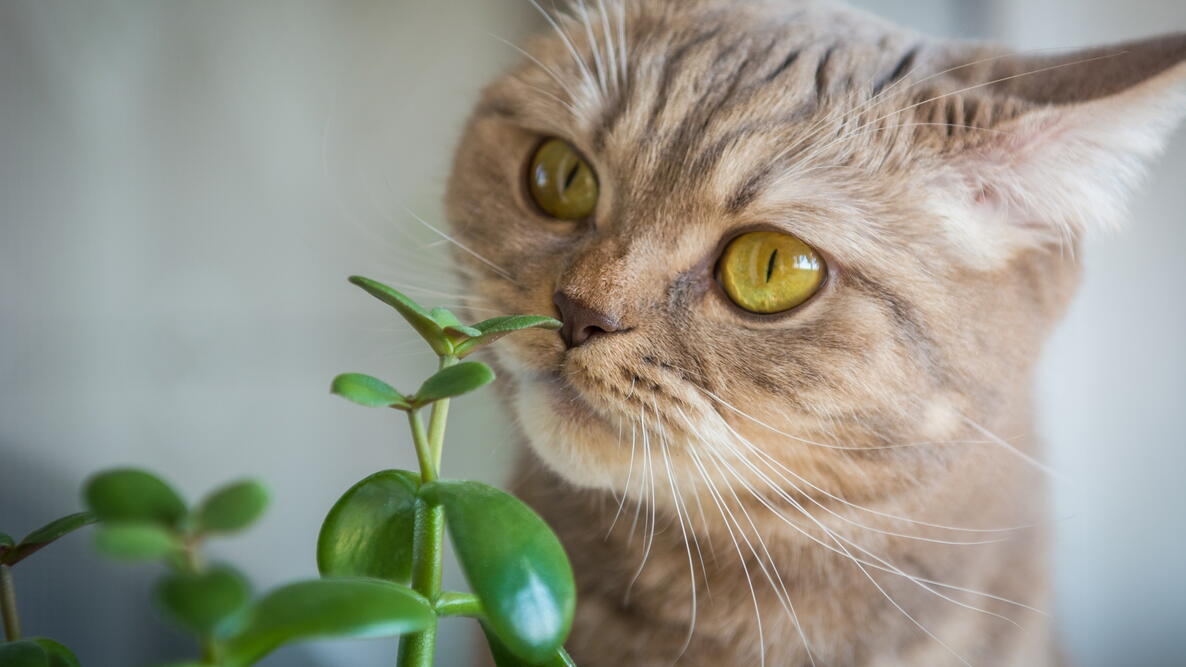
Which plants are toxic to cats? How about plants that are poisonous to dogs, guinea pigs, rabbits, and iguanas? Keep these common plants away from your pets!
We all enjoy our plants. However, pet owners need to be aware that some plants are toxic if their animal has a hankering to eat them!
You may already know that daffodils cause stomach upsets or vomiting (or worse) if your pet eats any parts of the plant. Many lilies are also considered extremely toxic; this can be more of a danger because lilies are often brought inside as houseplants or holiday decorations. But you may not know that foxglove and aloe vera are quite poisonous, too.
We’ve highlighted some of the most toxic plants below. However, there are more than 700 plants with toxic substances that are dangerous to dogs, cats, and other pets if ingested, so always make sure that you know whether any new plants you bring home are toxic or not!
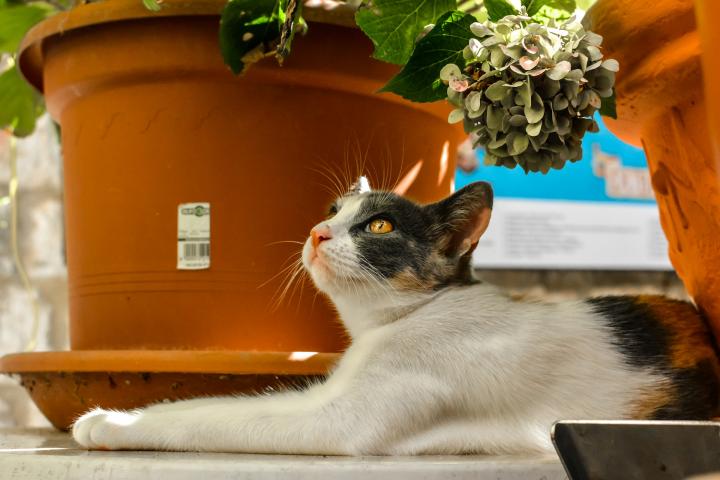
What Plants are Toxic to Cats?
Cats CANNOT eat:
- Aloe Vera
- Amaryllis
- Asian Lily
- Asparagus Fern
- Autumn Crocus
- Azalea (Rhododendron)
- Begonia
- Bittersweet
- Boxwood
- Burning Bush
- Calla Lily
- Castor Bean
- Christmas Rose/Lenten Rose
- Common or cherry laurel
- Carnations
- Catnip (Many cats love catnip, but it can cause vomiting and diarrhea.)
- Cyclamens
- Daylily
- Daffodil
- Dumb cane (Dieffenbachia)
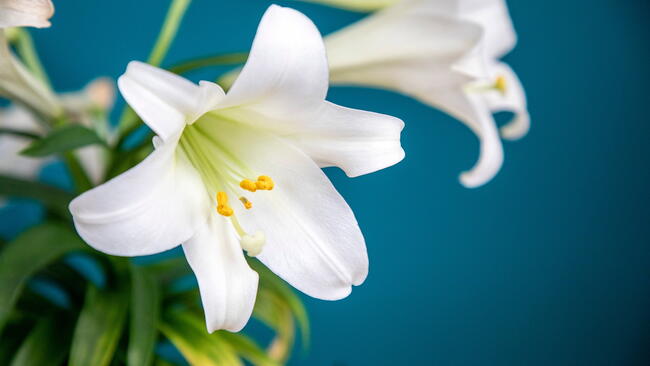
- Easter Lily
- Elephant’s ears (Caladium)
- Forced indoor bulbs such as narcissus (Paper whites)
- Foxglove
- Geranium
- Holly
- Hyacinth
- Hydrangeas
- Larkspur
- Lily (true lilies)
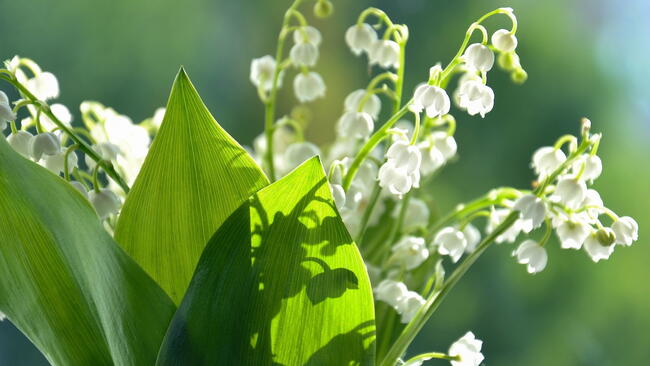
- Lily of the Valley
- Mistletoe
- Mums
- Oleander
- Philodendron
- Rubber plants
- Sago Palm
- Tiger Lily
- True Ivy
- Winter, or false Jerusalem, cherry
- Yew (bush)

Which Plants are Poisonous to Dogs?
Dogs CANNOT eat:
- Aloe vera
- Angel’s trumpet
- Autumn crocus
- Azalea
- Begonia (annual)
- Bittersweet (vine)
- Bleeding heart
- Boston ivy (vine)
- Boxwood (shrub)
- Burning bush (shrub)
- Calla lily
- Castor bean
- Chokecherry
- Christmas rose/Lenten rose
- Clematis (vine)
- Daffodil
- Daphne
- Daylily
- Easter lily
- Elephant’s ear
- English ivy (vine)
- Foxglove
- Holly
- Hosta
- Hyacinth
- Iris
- Jimsonweed
- Lantana (annual/houseplant)
- Lily (true lilies)
- Lily of the Valley
- Mistletoe
- Monkshood
- Morning glory (vine)
- Mountain laurel (shrub)
- Mums
- Nightshade, also called Belladonna
- Oleander (tree)
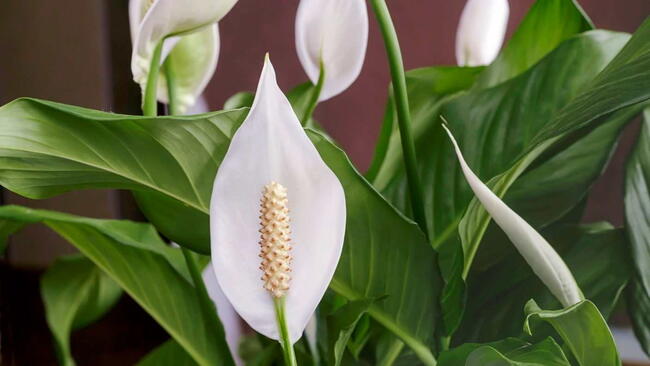
- Peace lily
- Potatoes (leaves, shoots, sprouts)
- Rhododendrons
- Rose of Sharon (shrub)
- Sago palm
- Tiger lily
- Tulip
- Wisteria (vine)
- Yarrow
- Yew (bush)

Which Plants are Poisonous to Guinea Pigs and Rabbits?
They CAN eat:
- Chickweed
- Coltsfoot
- Dandelion
- Goldenrod
- Green clover
- Groundsel
- Mallow
- Plantain
- Yarrow
- Asters
- Marigolds
- Nasturtiums
- Sunflowers
- Sweet Peas
They CANNOT eat:
- Buttercups
- Deadly nightshade
- Foxglove
- Scarlet Pimpernel
- Flowers of leaves from bulbs, such as tulips
- Lily of the valley
- Rhododendrons
Which Plants are Toxic to Iguanas?
Iguanas love fruits and vegetables, but sometimes pet iguanas don’t know the difference between poisonous and not poisonous, as wild iguanas instinctively do.
Iguanas CANNOT eat:
- Amaryllis bulbs
- Apple seeds
- Avocado pits, peels, foliage
- Azaleas
- Christmas Cacti
- Cyclamens
- Daffodil bulbs and sap
- Delphiniums
- Dumb cane (Dieffenbachia)
- Foxglove
- Hyacinth Bulb
- Hydrangea Flowers
- Impatiens
- Ivy (most kinds)
- Mistletoe berries and foliage
- Rhododendrons
- Tomato plant foliage and vines
- Tulips
- Wisteria
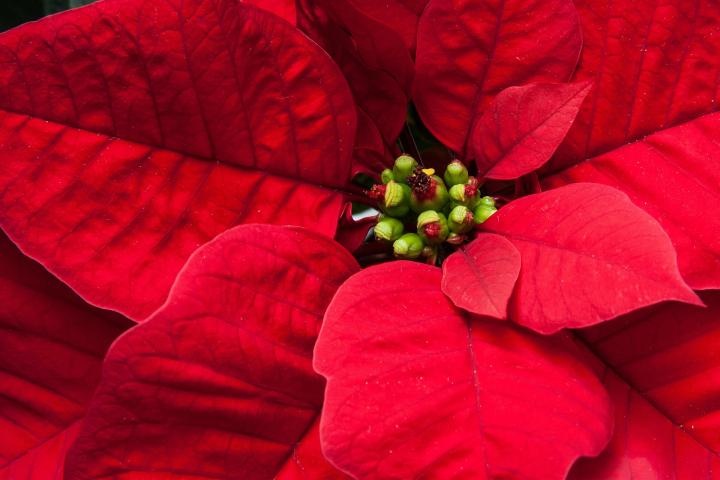
Are Poinsettias Poisonous to Pets?
This is one of our most common questions. Though they have a bad reputation, poinsettia (Euphorbia pulcherrima) plants are only mildly toxic to cats and dogs. There can be mild skin, eye, or tummy irritation. Due to the low level of toxicity seen with poinsettia ingestion, medical treatment is rarely necessary unless clinical signs are severe.
See more about harmful holiday plants.
Common Signs of Toxicity
If your pet exhibits these signs, it may have eaten something poisonous. Call your vet or the ASPCA poison control center immediately. If possible, bring a sample of the plant and tell the vet staff how much your pet ingested.
- Excessive salivation
- Vomiting
- Lethargy
- Rapid Breathing
- Racing or irregular pulse
- Cold extremities
Vulnerability to plant toxicities does depend on pet species, amount digested, and the size of your pet.
Pet Poison Control Centers
Please note: This is NOT a complete list! Find a full list and complete toxicity information on the website of a pet poison control center:
- Pet Poison Helpline, 855-764-7661: Available 24 hours a day!
- ASPCA Animal Poison Control Center, 888-426-4435
Related Content
Concerned about common pet pests? See which ones to look out for here.

More Like This

Comments

- « Previous
- 1
- 2
- …
- 10
- Next »

Pine (Pinus spp.) is not listed on the ASPCA toxic plant list for dogs (see below) or on several other sites that focus on pet health, such as lists from some veterinary medicine schools. A few unofficial sites do say that household pine oil, or sap from certain pines might cause problems. As for cedar, it would depend on the genus; true cedar is Cedrus, but many other plants are called cedar, such as junipers (red cedar); there is not much evident that the common name of cedar appears on toxic plant lists for dogs, nor the common name of juniper (Juniperus). For best advice, though, we'd recommend that you talk to your veterinarian about whether these trees/shrubs are toxic to dogs.
http://www.aspca.org/pet-care/animal-poison-control/dogs-plant-list
There is, of course, the possibility that your dog might inadvertently choke on the smaller pieces or smaller cones (nothing to do with toxin). In this light, especially if your dog is the enthusiastic type that does everything with gusto, it probably would be good to try to train him not to chew them.