
Why is January’s Full Moon called the Wolf Moon? What does the Strawberry Moon have to do with June? For centuries, people have used the Full Moon and its changing names to mark the seasons and keep track of the year. Discover the traditional Full Moon names for each month, where they come from, and the stories and seasonal signs behind them.
Many of these names come from Native American, Colonial American, and other traditional North American sources. While the names varied among tribes and regions, they often reflected seasonal changes, wildlife, plants, weather, and the timing of important activities.
Where Do Moon Names Come From?
The Moon names we use in The Old Farmer’s Almanac come from Native American, Colonial American, or other traditional North American sources passed down through generations. For example, January’s Wolf Moon is not a traditional Native American name; it is thought to have English origins and was brought to North America by European settlers.
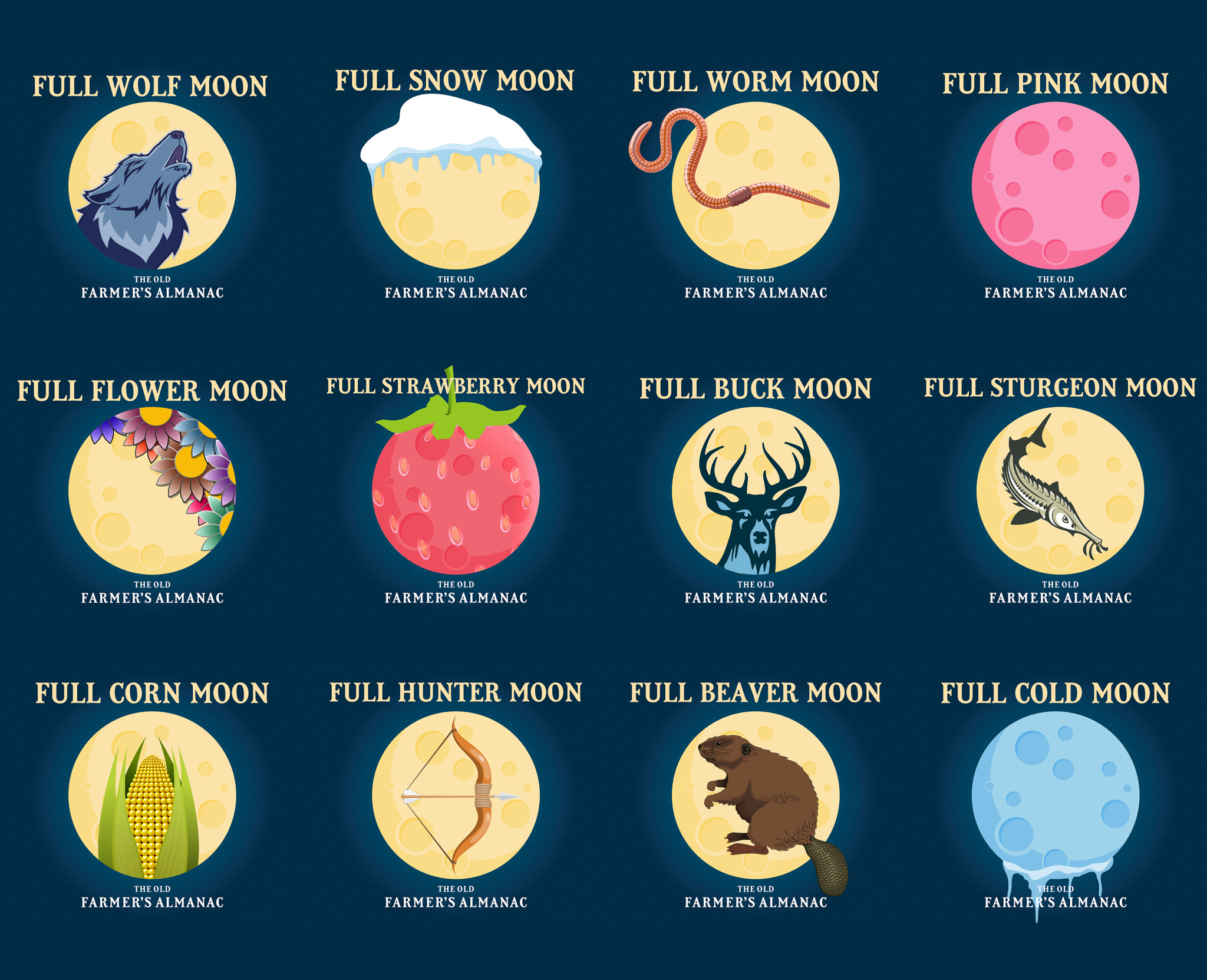
Full Moon Names
Historically, Native American and other traditional names for Full or New Moons were used to track the seasons.
Note that for Native American names, each Moon name was typically applied to the entire lunar month in which it occurred, the month starting either with the New Moon or Full Moon. See Full Moon Dates.
January – Wolf Moon
The howling of wolves was often heard at this time of year. It was traditionally thought that wolves howled due to hunger, but we now know that wolves use howls to define territory, locate pack members, reinforce social bonds, and gather for hunting. European settlers may have used the term “Wolf Moon” even before they came to North America.
Another name for this period was the Center Moon, from the Assiniboine people, because it was the middle of the winter season.
The Cree names of Cold Moon and Frost Exploding Moon refer to the frigid temperatures of this season, as does the Algonquin name of Freeze Up Moon. The Dakota names Severe Moon and Hard Moon refer to this season’s extreme cold and hard times and the fact that the snow sometimes develops a hard crust.
Other names for this time include Canada Goose Moon (Tlingit), Great Moon (Cree), Greetings Moon (Western Abenaki), and Spirit Moon (Ojibwe).
February – Snow Moon
In the 1760s, Captain Jonathan Carver, who had visited the Naudowessie (Dakota) and others, wrote that the name used for this period was the Snow Moon “because more snow commonly falls during this month than any other in the winter.”
The Cree called this the Bald Eagle Moon or Eagle Moon. Bear Moon (Ojibwe) and Black Bear Moon (Tlingit) refer to the time when bear cubs are born. The Dakota called this the Raccoon Moon, and certain Algonquin peoples named it the Groundhog Moon. The Haida named it Goose Moon.
The Cherokee names of “Month of the Bony Moon” and “Hungry Moon” give evidence to the fact that food was hard to come by at this time.
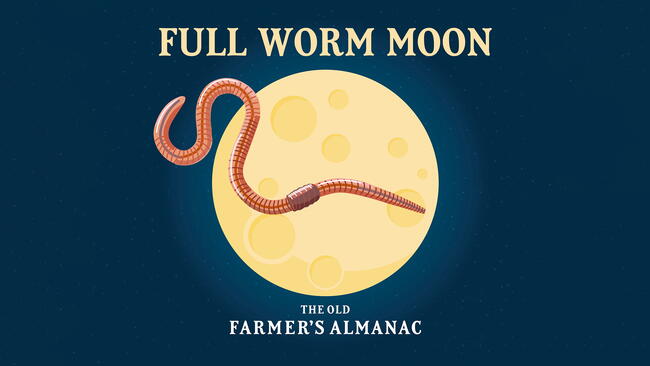
March – Worm Moon
This name is traditionally thought to refer to the earthworms that appear as the soil warms in spring. Alternatively, during his travels in the 1760s, Captain Jonathan Carver wrote that this Moon name refers to a different sort of “worm”—larvae—which emerge from the bark of trees and other winter hideouts.
Although some Cree groups used the term Eagle Moon to describe the time around February, others used this term for the Moon cycle closer to spring. The Northern Ojibwe called this Crow Comes Back Moon. The term Goose Moon was used among Algonquin and Cree peoples. Snow Crust Moon was an Anishinaabe term. Sore Eyes Moon is a Dakota, Lakota, and Assiniboine term referring to the blinding rays of the sun on snow. Sugar Moon (Ojibwe) is the time when maple sap runs. Wind Strong Moon (Pueblo) refers to the strong windy days that come at this time of year.
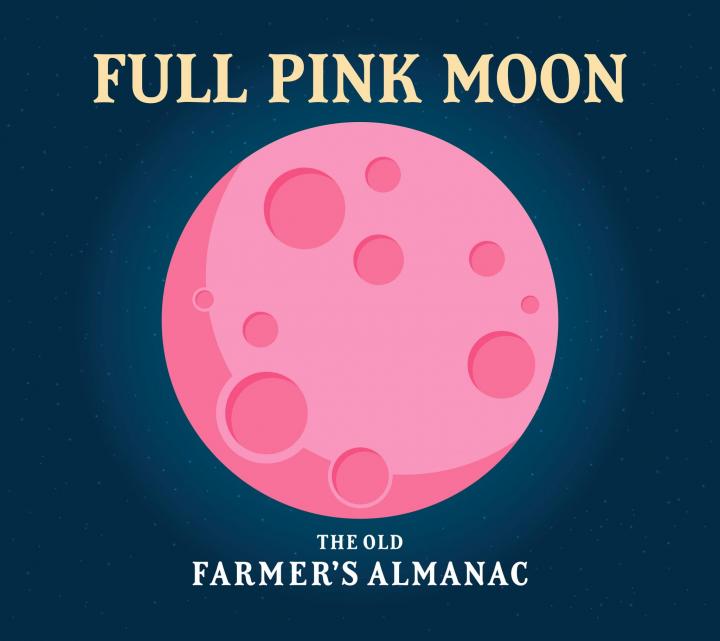
April – Pink Moon
This Moon heralded the appearance of the “moss pink” (Phlox subulata), also called wild ground phlox or creeping phlox—one of the first spring wildflowers.
With spring thaws come the Algonquin Breaking Ice Moon and the Dakota Moon When the Streams are Again Navigable. When spring growth appears, so does the Budding Moon of Plants and Shrubs (Tlingit) and Moon of the Red Grass Appearing (Oglala). Animals returning to the area inspired the Lakota name Moon When the Ducks Come Back. Certain Dakota peoples chose the name Moon When the Geese Lay Eggs. Other names are Broken Snowshoe Moon (Anishinaabe), Frog Moon (Cree), and Sugar Maker Moon (Western Abenaki).
Appearing either in April or May, Sucker Moon (Anishinaabe) refers to a time to harvest sucker fish, which return to streams or lake shallows to spawn. According to legend, now is the time when these fish come back from the spirit world to purify bodies of water and the creatures living in them. (This name may also be applied to the February Moon, to honor the sacrifice of the sucker fish that feed the Anishinaabe peoples, helping them to survive the winter.)
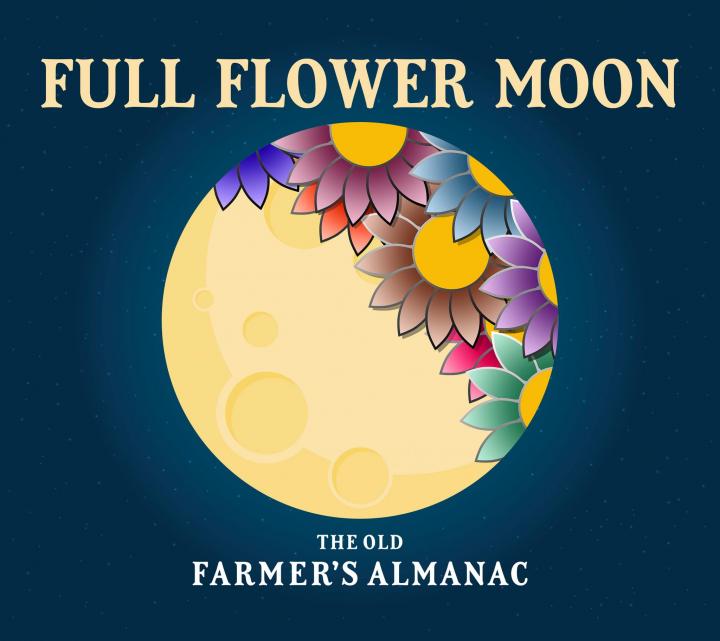
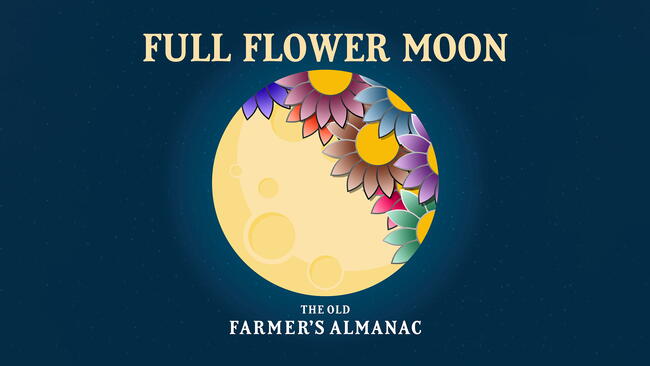
May – Flower Moon
The appearance of flowers in abundance inspired the name for this Moon, a term used by Algonquin and Ojibwe peoples.
Similarly, the Cree names of Budding Moon and Leaf Budding Moon celebrate the awakening of plant life. Egg Laying Moon and Frog Moon are other Cree terms for this period. Moon of the Shedding Ponies is an Oglala term. Planting Moon (Dakota, Lakota) marks the time to plant seeds and start the year’s crops.
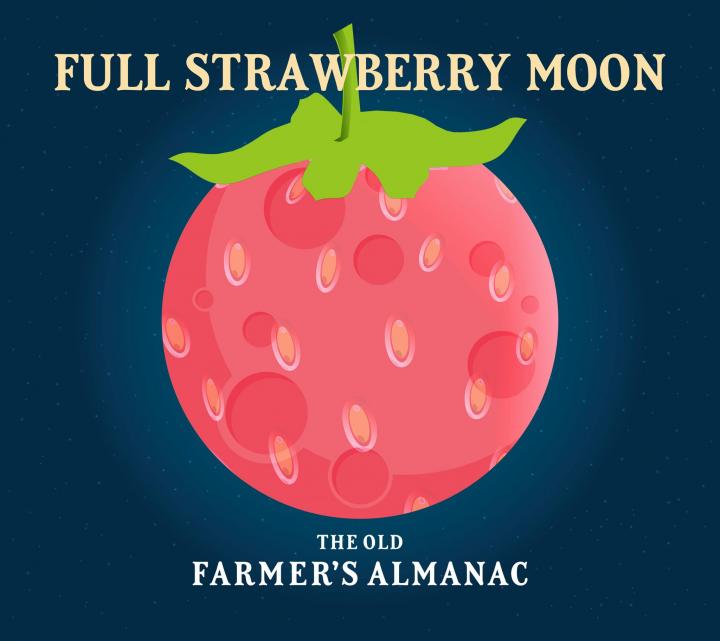
June – Strawberry Moon
Used by the Algonquin, Ojibwe, Dakota, and Lakota peoples, among others, this name came about because ripe strawberries were ready to be gathered at this time.
Similarly, Berries Ripen Moon is a Haida term. Blooming Moon (Anishinaabe) is indicative of the flowering season. The time for tending crops is indicated by Green Corn Moon (Cherokee) and Hoer Moon (Western Abenaki).
Eighteenth-century Captain Jonathan Carver wrote that Native Americans whom he had visited used the term Hot Moon.
The Tlingit used the term Birth Moon, referring to the time when certain animals are born in their region. Egg Laying Moon and Hatching Moon are Cree terms for this period.
ADVERTISEMENT
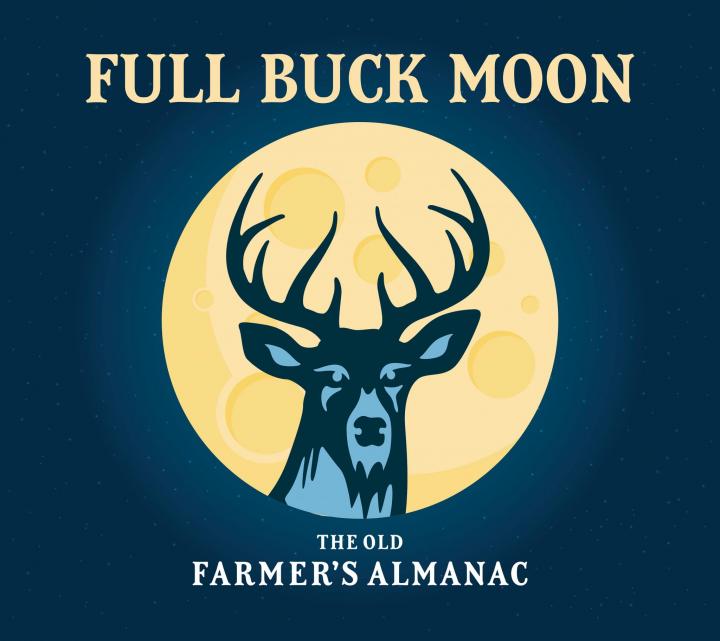
July – Buck Moon
At this time, the antlers of bucks (male deer) are in full growth mode. This Native American name was noted by Captain Jonathan Carver during his travels in the 1760s.
Other animal-related names include Feather Moulting Moon (Cree) and Salmon Moon, a Tlingit term indicating when fish returned to the area and were harvested.
As far as the plant world, there was Berry Moon (Anishinaabe), Moon When the Chokecherries are Ripe (Dakota), Month of the Ripe Corn Moon (Cherokee), and Raspberry Moon (Algonquin, Ojibwe), among others.
Thunder Moon (Western Abenaki) and Halfway Summer Moon (Anishinaabe) are other variants.
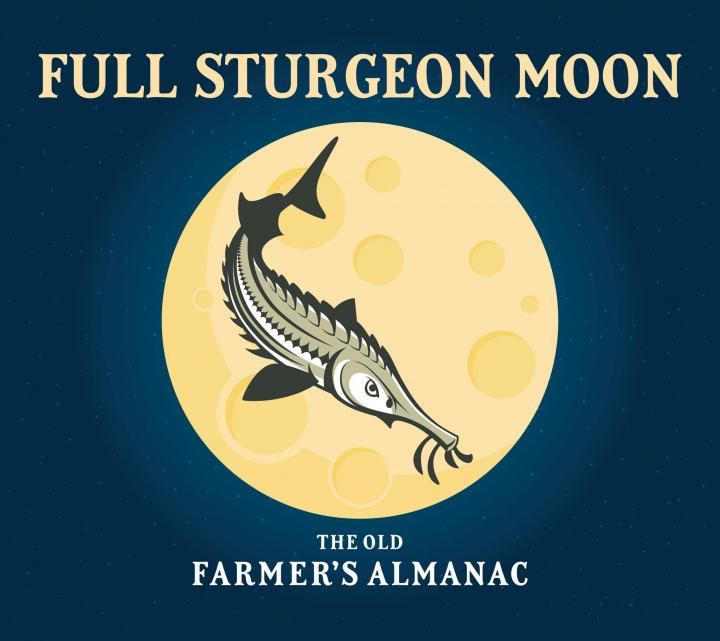
August – Sturgeon Moon
Lake sturgeon, found in the Great Lakes and Lake Champlain, as well as in several rivers, were once much more abundant. These large (some more than 6 feet long!) migratory fish were an important staple for Native American peoples living in the area. Captain Jonathan Carver came across this term for the lunar month during his travels in the 1760s.
Flying Up Moon is a Cree term describing the time when young birds are ready to fly.
Corn Moon (Algonquin, Ojibwe), Harvest Moon (Dakota), and Ricing Moon (Anishinaabe) signify the time to gather mature crops. The Assiniboine people named this period Black Cherries Moon, referring to when chokecherries were ripe.
The Tlingit called this time of season the Mountain Shadows Moon.
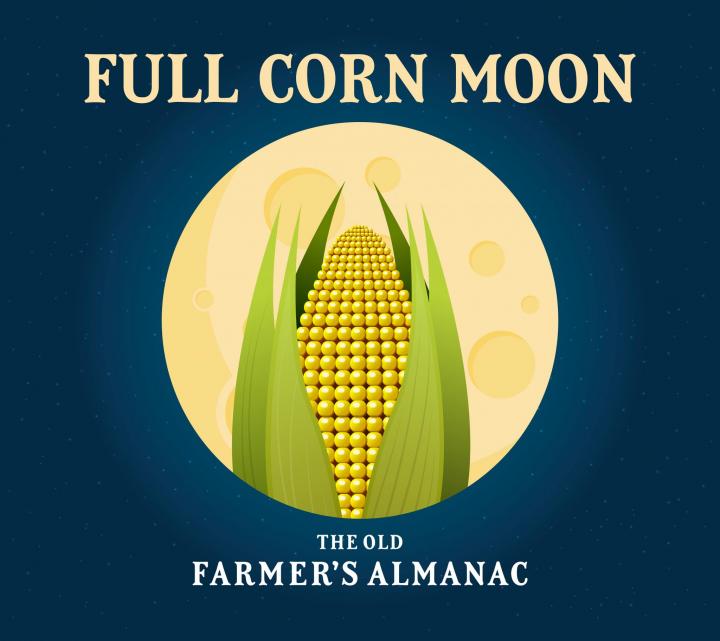
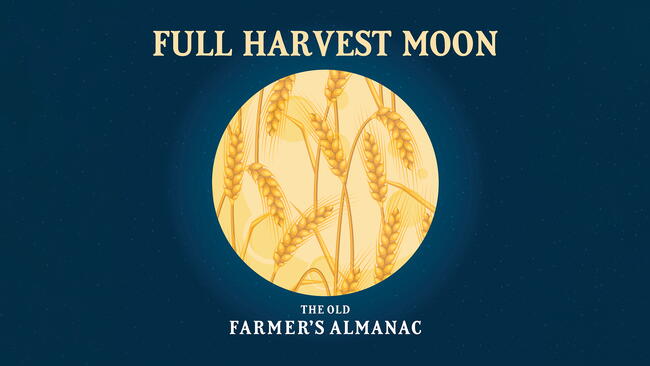
September – Corn Moon (Harvest Moon)
Traditionally, we call the September Moon the “Corn Moon.” Corn was ready to harvest at this time. In the 1760s, Captain Jonathan Carver came across this Native American term during his travels. Similarly, the Western Abenaki called this the Corn Maker Moon, and the Dakota, the Corn Harvest Moon.
However, you’ll also see that there’s a special astronomical name for this Moon: the “Harvest Moon.” This refers to the Full Moon closest to the September equinox. Read more about the Harvest Moon here.
Other names for this month’s Moon used by indigenous people are:
Moon When Rice is Laid Up to Dry (Dakota) refers to the time of harvesting and processing rice.
Autumn Moon (Cree), Falling Leaves Moon (Ojibwe), Leaves Turning Moon (Anishinaabe), Moon of Brown Leaves (Lakota), and Yellow Leaf Moon (Assiniboine) all speak to the leaf-changing season.
Child Moon (Tlingit) occurs when young animals are weaned. Mating Moon and Rutting Moon are Cree terms that describe the time when certain animals, such as moose, are ready to mate.
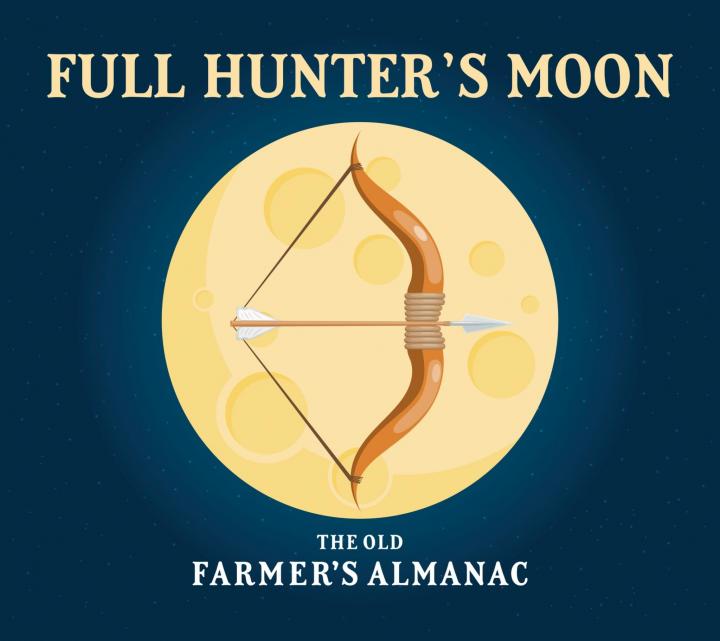
October – Full Hunter’s Moon
This is the month when game is fattening up for winter. Now is the time for hunting and laying in a store of provisions for the long months ahead.
Drying Rice Moon (Dakota) describes the next process in preparing rice for winter. Falling Leaves Moon is an Anishinaabe term. Freezing Moon (Ojibwe) and Ice Moon (Haida) refer to the increasingly cold temperatures of this period. Migrating Moon (Cree) refers to the time when birds begin to fly south.
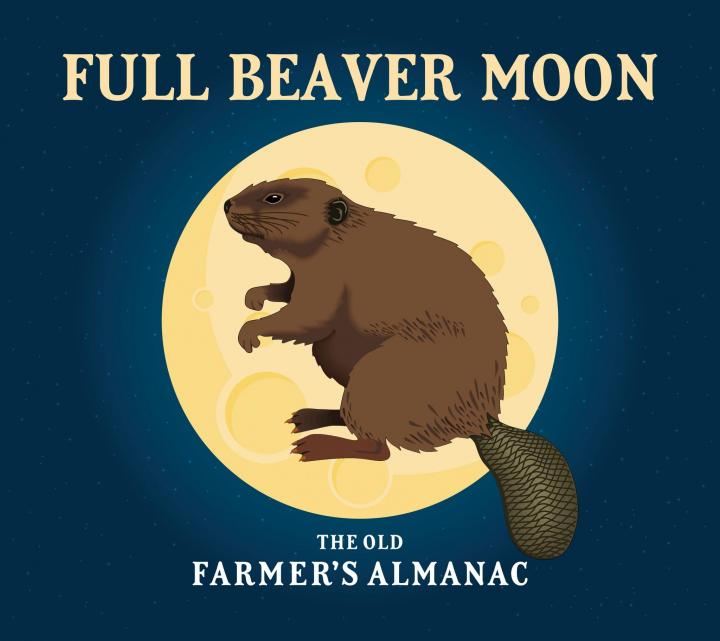
November – Beaver Moon
This was the time when beavers finished preparations for winter and retreated into their lodges. In the 1760s, Captain Jonathan Carver heard this Native American term during his travels.
Also in the realm of animals, Deer Rutting Moon (Dakota, Lakota) refers to the mating season. Digging/Scratching Moon is a Tlingit term for when bears dig their winter dens. Whitefish Moon (Algonquin) describes the spawning time for this fish.
As cold temperatures deepen, the terms Frost Moon (Cree, Assiniboine) and Freezing Moon (Anishinaabe) were also used.
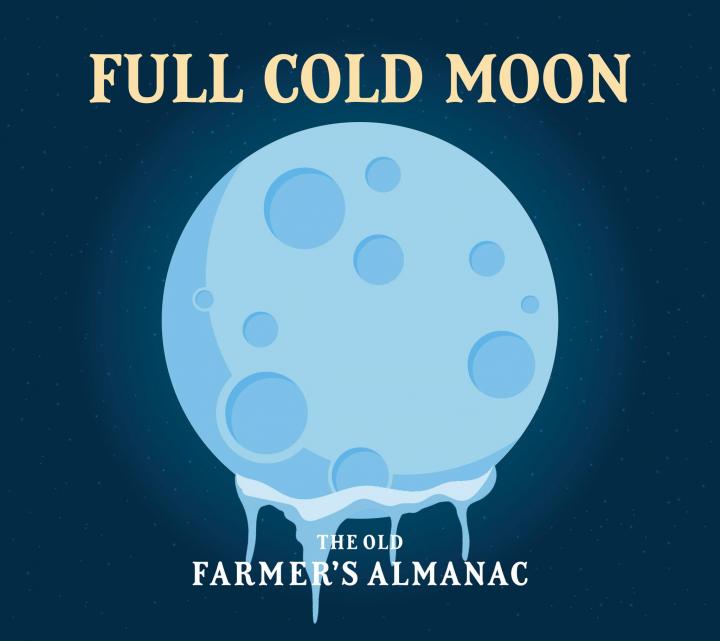
December – Cold Moon
A name used by the Mohawk people, this Moon occurs when winter cold fastens its grip.
Other names that allude to the cold and snow include Drift Clearing Moon (Cree), Frost Exploding Trees Moon (Cree), Moon of the Popping Trees (Oglala), Hoar Frost Moon (Cree), Snow Moon (Haida, Cherokee), and Winter Maker Moon (Western Abenaki).
Long Night Moon is a Mohican term; Mid-Winter Moon, Lakota and Northern Ojibwe.
Other names include Moon When the Deer Shed Their [Antlers] (Dakota) and Little Spirit Moon (Anishinaabe).
Why Native Americans Named the Moons
The early Native Americans did not record time using the Julian or Gregorian calendar months. Many tribes kept track of time by observing the seasons and lunar months, although there was much variability. For some tribes, the year contained four seasons and started at a particular season, such as spring or fall. Others counted five seasons to a year. Some tribes defined a year as 12 Moons, while others assigned it 13. Certain tribes that used the lunar calendar added an extra Moon every few years to keep it in sync with the seasons.
Each tribe that named the Full or New Moons (and/or lunar months) had its own naming preferences. Some would use 12 names for the year, while others might use five, six, or seven; certain names might change the next year. A Moon name used by one tribe might differ from one used by another tribe for the same time period or be the same name but represent a different time period. The name was often a description relating to a particular activity/event that usually occurred in their location. Also, the lunar month’s name might vary each year or between bands or other groups within the same nation.
Colonial Americans adopted some of the Native American Moon names and applied them to their own calendar system (primarily Julian and, later, Gregorian); they also brought their own traditions from Europe. Since the Gregorian calendar is the system that many in North America use today, that is how we have presented the list of Moon names as a frame of reference.
Full Moon Name Chart
On the chart below, we’ve listed alternative Moon names and their respective tribes. Note that some names listed here may reflect usage at once in history but may no longer be used by a designated group today. Many of the names listed here are English interpretations of the words used in Native American languages. They are only roughly aligned here with the months of the Gregorian calendar; you’ll notice that some names are repeated in multiple months.
Click on the linked names below for our monthly Full Moon Guides.
| Month | Name | Description | Alternative Names |
|---|---|---|---|
| January | Full Wolf Moon | The howling of wolves was often heard at this time of year. Many sources state that wolves howled due to hunger. Rather, wolves use howls to define territory, locate pack members, reinforce social bonds, and gather for hunting. | • Canada Goose Moon (Tlingit) • Center Moon (Assiniboine) • Cold Moon (Cree) • Freeze Up Moon (Algonquin) • Frost Exploding Moon (Cree) • Great Moon (Cree) • Greetings Moon (Western Abenaki) • Hard Moon (Dakota) • Severe Moon (Dakota) • Spirit Moon (Ojibwe) |
| February | Full Snow Moon | February is typically a time of heavy snowfall. | • Bald Eagle Moon (Cree) • Bear Moon (Ojibwe) • Black Bear Moon (Tlingit) • Month of the Bony Moon (Cherokee) • Eagle Moon (Cree) • Goose Moon (Haida) • Groundhog Moon (Algonquin) • Hungry Moon (Cherokee) • Raccoon Moon (Dakota) |
| March | Full Worm Moon | Traditionally thought to be named after the earthworms of warming spring soil. Alternatively, in the late 1700s, Jonathan Carver wrote that this Moon actually refers to a different sort of “worm”—larvae—which emerge from the bark of trees and other winter hideouts around this time. | • Crow Comes Back Moon (Northern Ojibwe) • Eagle Moon (Cree) • Goose Moon (Algonquin, Cree) • Snow Crust Moon (Anishinaabe) • Sore Eyes Moon (Dakota, Lakota, Assiniboine) • Sugar Moon (Ojibwe) • Wind Strong Moon (Pueblo) |
| April | Full Pink Moon | This Full Moon heralded the appearance of the “moss pink,” or wild ground phlox—one of the first spring wildflowers. | • Breaking Ice Moon (Algonquin) • Broken Snowshoe Moon (Anishinaabe) • Budding Moon of Plants and Shrubs (Tlingit) • Frog Moon (Cree) • Moon of the Red Grass Appearing (Oglala) • Moon When the Ducks Come Back (Lakota) • Moon When the Geese Lay Eggs (Dakota) • Moon When the Streams are Again Navigable (Dakota) • Sucker Moon (Anishinaabe) • Sugar Maker Moon (Western Abenaki) |
| May | Full Flower Moon | Flowers spring forth in abundance this month. | • Budding Moon (Cree) • Egg Laying Moon (Cree) • Frog Moon (Cree) • Leaf Budding Moon (Cree) • Planting Moon (Dakota, Lakota) • Moon of Shedding Ponies (Oglala) |
| June | Full Strawberry Moon | This was the time to gather ripening strawberries in what is now the northeastern United States. | • Berries Ripen Moon (Haida) • Birth Moon (Tlingit) • Blooming Moon (Anishinaabe) • Egg Laying Moon (Cree) • Hatching Moon (Cree) • Green Corn Moon (Cherokee) • Hot Moon • Hoer Moon (Western Abenaki) |
| July | Full Buck Moon | Now, a buck’s (male deer’s) antlers are in full growth mode. | • Berry Moon (Anishinaabe) • Feather Moulting Moon (Cree) • Halfway Summer Moon (Anishinaabe) • Month of the Ripe Corn Moon (Cherokee) • Moon When the Chokecherries are Ripe (Dakota) • Raspberry Moon (Algonquin, Ojibwe) • Salmon Moon (Tlingit) • Thunder Moon (Western Abenaki) |
| August | Full Sturgeon Moon | The Great Lakes and Lake Champlain sturgeon were said to be most readily caught during this Full Moon. | • Black Cherries Moon (Assiniboine) • Corn Moon (Algonquin, Ojibwe) • Flying Up Moon (Cree) • Harvest Moon (Dakota) • Mountain Shadows Moon (Tlingit) • Ricing Moon (Anishinaabe) |
| September | (or the Corn Moon) | The Harvest Moon is the Full Moon that occurs closest to the autumnal equinox. In 2026, this occurs in September. This time corresponds with the traditional harvesting of corn. | • Autumn Moon (Cree) • Child Moon (Tlingit) • Corn Harvest Moon (Dakota) • Corn Maker Moon (Western Abenaki) • Falling Leaves Moon (Ojibwe) • Harvest Moon • Leaves Turning Moon (Anishinaabe) • Mating Moon (Cree) • Moon of Brown Leaves (Lakota) • Moon When the Rice is Laid Up to Dry (Dakota) • Rutting Moon (Cree) • Yellow Leaf Moon (Assiniboine) |
| October | This is the month when the game is fattened up for winter. Now is the time for hunting and laying in a store of provisions for the long months ahead. | • Drying Rice Moon (Dakota) • Falling Leaves Moon (Anishinaabe) • Freezing Moon (Ojibwe) • Ice Moon (Haida) • Migrating Moon (Cree) | |
| November | Full Beaver Moon | This was the time when beavers finished preparations for winter and retreated into their lodges. | • Deer Rutting Moon (Dakota, Lakota) • Digging/Scratching Moon (Tlingit) • Freezing Moon (Anishinaabe) • Frost Moon (Cree, Assiniboine) • Whitefish Moon (Algonquin) |
| December | Full Cold Moon | This is the month when the winter cold fastens its grip, and the nights become long and dark. | • Drift Clearing Moon (Cree) • Frost Exploding Trees Moon (Cree) • Hoar Frost Moon (Cree) • Little Spirit Moon (Anishinaabe) • Long Night Moon (Mohican) • Mid-winter Moon (Lakota, Northern Ojibwe) • Moon of the Popping Trees (Oglala) • Moon When the Deer Shed Their Antlers (Dakota) • Snow Moon (Haida, Cherokee) • Winter Maker Moon (Western Abenaki) |
| *According to one tradition, which The Old Farmer’s Almanac honors, the Harvest Moon is always the Full Moon that occurs closest to the September equinox. Most years, it falls in September; every three years, it falls in October. (Astronomical seasons do not match up with the lunar month.) If the Harvest Moon occurs in October, the September Full Moon is usually called the Corn Moon instead. (Note that these last two conditions are not according to Native American tradition.) | |||
Other Full Moon Names
The following Moon names came into popular use more recently and do not refer to any specific month’s Moon:
- Blue Moon: Occasionally, two Full Moons occur within the same calendar month. The first Full Moon goes by the name normally assigned to that month’s Full Moon, but the second Full Moon is commonly called a Blue Moon. Blue Moons occur about every 2½ years. Another definition for “Blue Moon” is the third Full Moon in a series of four Full Moons occurring in a single astronomical season.
- Black Moon: The term “Black Moon” has a few definitions. Most commonly, it refers to the second new Moon occurring within a single calendar month; by this definition, a Black Moon can never occur in February. It has also been used to refer to a month in which there is no full Moon; this can only occur in February because the calendar month has fewer days (28 or 29 days) than the lunar month (about 29.5 days).
- Supermoon: A Full Moon is said to be a Supermoon when it is at the point in its orbit closest to Earth. In astronomy, the terms “perigee-syzygy” or “perigee Full Moon” are typically used instead of “Supermoon.” Learn more about Supermoons.
- Blood Moon: The term “Blood Moon” is used when there is a complete lunar eclipse. The moon isn’t actually “bloody,” but it appears orange or coppery like a penny.
When Is the Next Full Moon?
Check out our Full Moon Calendar to see when the next Full Moon will happen, and see our Moon Phase Calendar to find the Moon phase for a specific date!
Sources
- Algonquin Way Cultural Centre — Algonquin Way Cultural Centre
- Google Books — Dakota English Dictionary
- Internet Archive — Travels Through the Interior Parts of North America, in the Years 1766, 1767, 1768
- Miyo Wahkohtowin Community Education Authority — Online Cree Dictionary

More Like This
Hi, Claude. A Blue Moon, the term for the second full Moon in a month, happens about once every 33 months. Depending on what month it falls in, an alternative Moon name for that particular month is often used, but is also correctly called simply a Blue Moon.
- « Previous
- 1
- 2
- …
- 10
- Next »

Comments