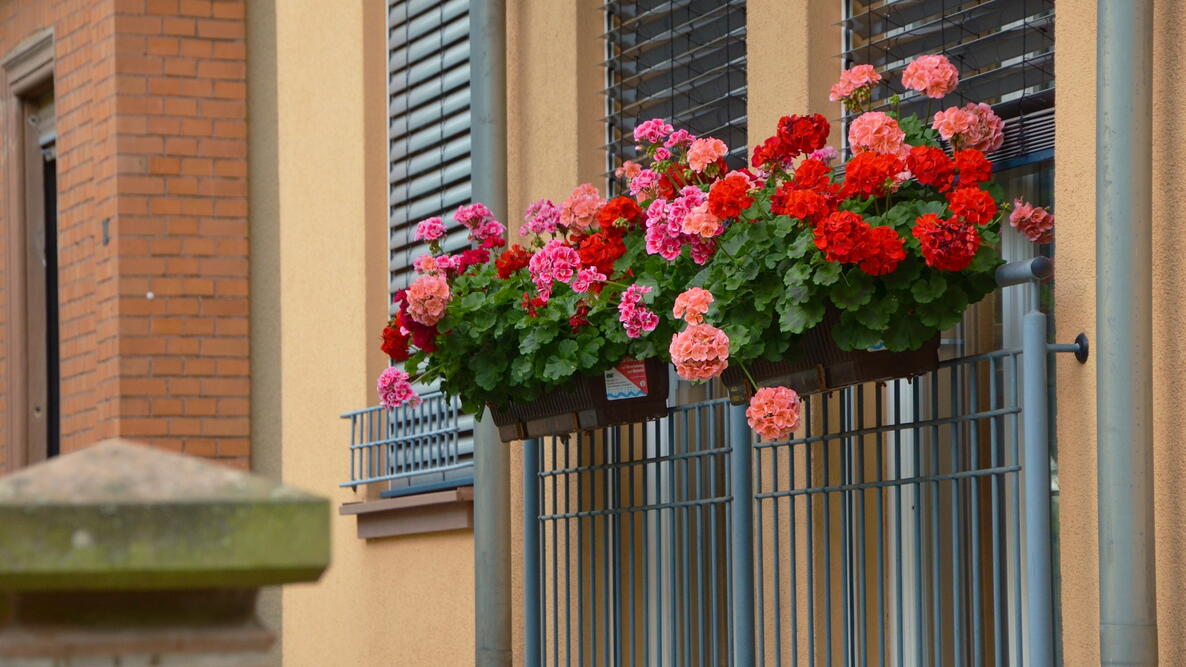
Window boxes are one of the easiest ways to add instant color and charm to your home—even if you don’t have a garden. The key to success is choosing the right plants for your window’s sun exposure. Whether your window faces full sun or deep shade, these flower picks and planting tips will help your window boxes thrive all season long.
Why Window Boxes Are Perfect for Any Home
Window boxes are great for houses and apartments alike. Growing plants in window boxes puts them at eye level, which gives you a different perspective than having them in your garden.
From the inside, the plants will become part of your view of the outdoors. And from the outside, the plants and containers become part of the architecture.
Choosing the Right Flowers for Window Boxes
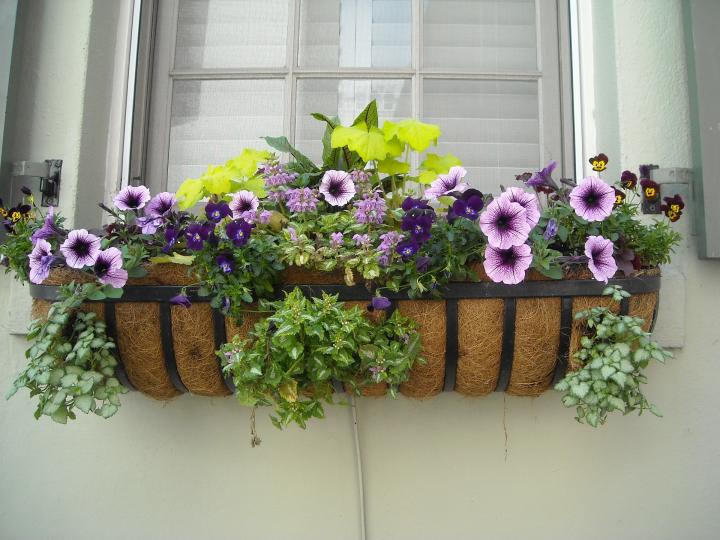
Wondering what to plant? Petunias, geraniums, zinnias, nasturtiums, and begonias are good choices for main-theme flowers. Fill in with things like inch plant, ivy, euonymus, heather, or vinca, which will cascade over the edge of the box. Impatiens do well in shady locations. More subtle choices include coleus, heliotrope, and salvia. Window boxes look their best if they’re packed with plants!
Experienced gardeners can train climbing vines around the window frame for an ensemble effect. Connoisseurs may choose to add topiary forms as a focal point. Ivy or creeping fig topiaries or other identifiable shapes can capture the imagination.
How Sun Exposure Affects Window Box Plants
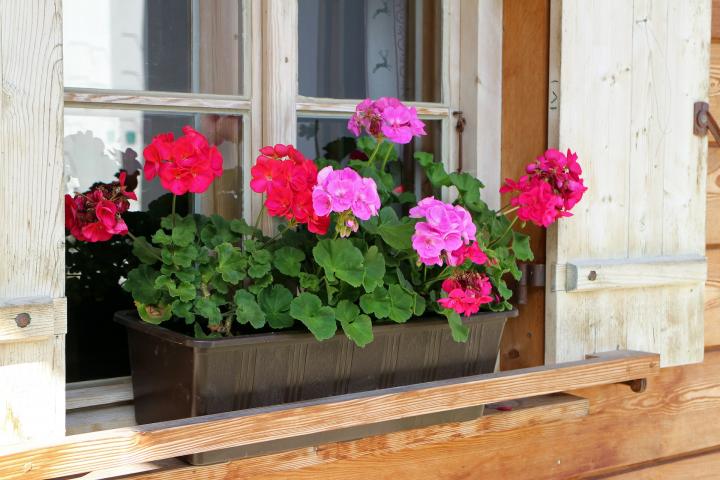
Above all, the most important considerations are sun exposure and the way your window box faces. The leaves of shade-lovers will get scorched in the high light levels of a south or west-facing wall; plants that thrive in full sun will grow tall and leggy in a northern exposure.
Best Window Box Flowers for Full Sun
(for a sunny, hot, south or west-facing window.)
Upright Flowers for Sunny Window Boxes
- Artemesia
- Dusty Miller
- Lavender
- Marigold
- Miniature Rose Opal and bush basil
- Ornamental pepper
- Periwinkle
- Rosemary
- Rose-scented Geranium
- Salvia
Trailing Flowers for Sunny Window Boxes
- Sweet potato vine
- Dwarf soapwort
- ‘Homestead Purple’ verbena
- Nasturtium
- Peppermint-scented geranium
- Petunia
- Pink prostrate
- Rosemary
- Retcreasea
- Strawberry
- Sweet
- Marjoram
- Thyme
Climbing Plants for Sunny Window Boxes
- Carolina jessamine
- Golden hop
- Honeysuckle Jasmine
- Miniature climbing rose
- Moon vine
Best Window Box Flowers for Shade
(for a shady, cool, north-facing window)
Upright Flowers for Shady Window Boxes
- astilbe
- cardinal flower
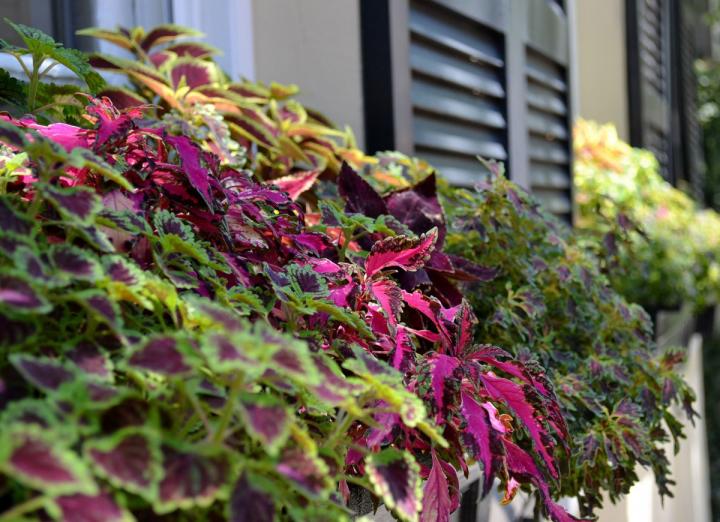
- coleus
- English daisy f
- ern (maidenhair, tassel, Boston, asparagus)
- garden heliotrope
- hosta
- impatiens
- Johnny-jump-up
- lamb’s ears
- lemon balm
- lenten rose
- mophead hydrangea
- pansy
- parsley
- snapdragon
- wax begonia
Trailing Flowers for Shady Window Boxes
- creeping myrtle
- fuchsia
- peppermint
- clematis
- variegated English or Algerian ivy
- inch plant (tradescantia)
Climbing Plants for Shady Window Boxes
- clematis
- trumpet vine
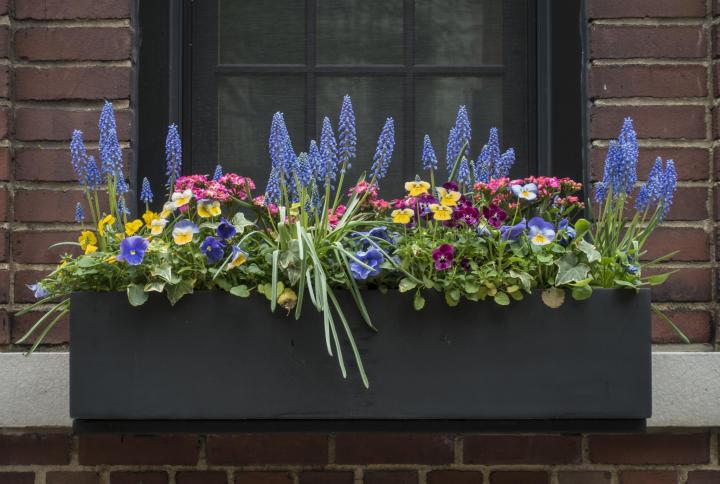
Using Flowering Bulbs in Window Boxes
Often overlooked for window boxes are foolproof flowering bulbs. Whether you do a fall planting of miniature daffodils, snowdrops, or hyacinths for springtime bloom, or you do a late-spring planting of lilies, alliums, or dwarf gladiolus for a summertime show, be sure to tuck a few bulbs and corms into your window boxes for added impact.
Growing Vegetables and Herbs in Window Boxes
If you’ve got an accessible location, try planting edibles—plant herbs like sage, chives, thyme, and mint. Just open the kitchen window when you need some fresh herbs!
Cherry tomatoes, lettuce, and kale mixed with marigolds will do nicely in a window box, too. Like flowers, they will need water every couple of days and fertilizer every 2 weeks. (Note: Since a window box is just a breeze away from your living quarters, you might want to avoid aromatic fertilizers like fish emulsion.) Be sure to cultivate the growing medium regularly so that the water will penetrate rather than just run off.
Choosing the Best Window Box Materials
Wood vs. Metal vs. Plastic Window Boxes
There are many window boxes or troughs sold in garden centers that can be easily mounted or hung on a balcony or window ledge. These days, they tend to be plastic.
For a house, a wooden window box can be custom-built to fit the length and width of a windowsill, so wood remains the medium of choice. Its life can be extended significantly by simply using the box as a holder for a metal or plastic planter or several potted plants. Wood is also the easiest to mount to your house. A word of caution here—do not set the box directly against the siding of your house. Leave an inch or two of breathing space so moisture does not build up. Ensure the box is securely fastened to your house, too, as you don’t want a strong breeze to send it flying!
Window Box Care and Maintenance Tips
- Good drainage is essential. Choose window boxes that already have drainage holes, or drill some yourself. It’s important that the growing medium not stay oversaturated, as this could lead to root rot.
- Use a standard potting mix from your garden center, or mix your own using vermiculite, coconut coir, perlite, sawdust, sand, and a little bonemeal. Add compost if growing edible plants. Fill the box to within an inch of the top. It’s important to use enough potting mix around the plants so they sit firmly.
- Water and mix thoroughly. Add more medium if it has settled, and water and mix some more.
- Make sure to water and fertilize often. Window boxes that are in full sun will dry out quickly!
- Don’t be afraid to replace plants that have finished blooming with others that are fresh!
Do you live in an apartment building or condo? See how to start a balcony, rooftop, or terrace garden!

More Like This


Comments


In northern Alabama, you are most likely in Zone 7. Check out this listing of flowers, herbs and vegetables that can be grown in your zone: http://www.almanac.com/plants/hardiness-zone/7 Good luck!