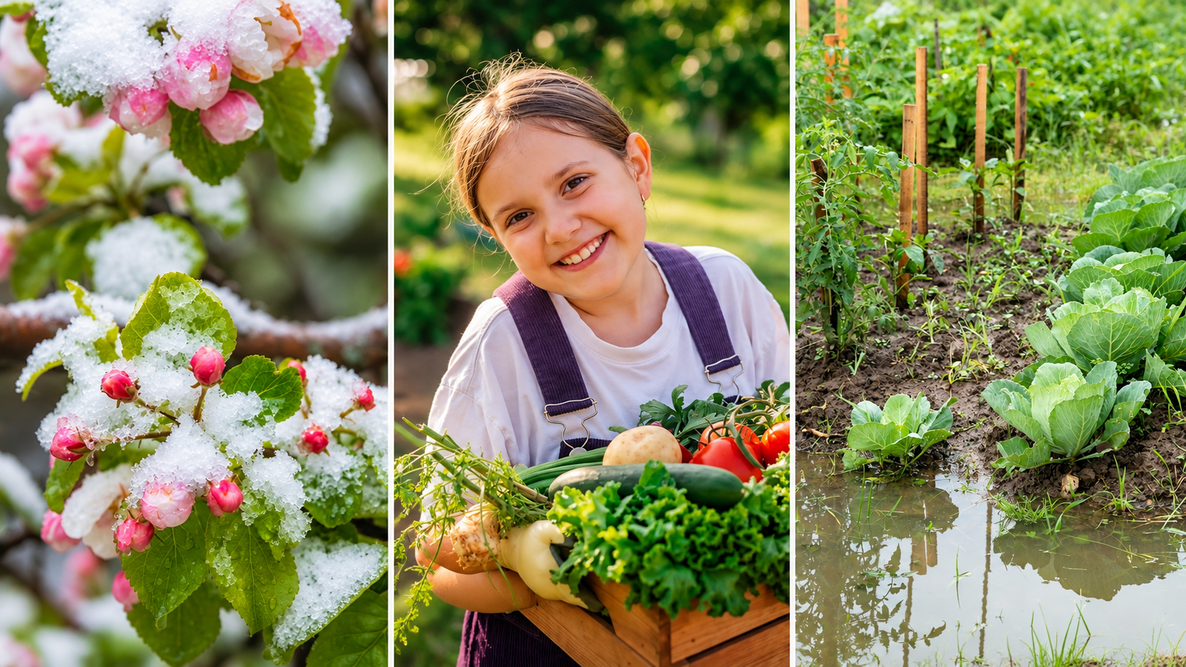
Imagine walking through an apple orchard in autumn, expecting branches loaded with fruit. Instead, the trees are covered in leaves, with hardly an apple in sight.
That’s what growers encountered in parts of the Mid-Atlantic in 2026. An unusually warm spring brought fruit trees into bloom early.
Then a late-April freeze damaged the tender blossoms and young fruit. Chris Walsh, a professor emeritus at the University of Maryland, said he hadn’t seen anything quite like it in nearly 50 years in the business.
Home gardeners face similar surprises. Spring flowers bloom early, only to be caught by frost. Heavy rains give way to summer drought, and familiar planting schedules become less reliable.
Of course, gardeners have always had to contend with unpredictable weather. But something bigger is happening. Our climate is changing, and so are the growing conditions we’ve come to rely on.
And the changes aren’t just anecdotal. When the USDA last updated its Plant Hardiness Zone Map in 2023, about half the United States shifted into a warmer half-zone.
Based on 30 years of winter temperature records, the map helps gardeners determine which perennials, shrubs, and trees are likely to survive in their area. The shifts reflect more recent temperature observations as well as improvements in mapping methods.
What Does “Normal” Weather Mean Anymore?
You’ve heard it on the weather forecast: Temperatures will be warmer than normal. Rainfall will be below normal. But what exactly is “normal” weather?
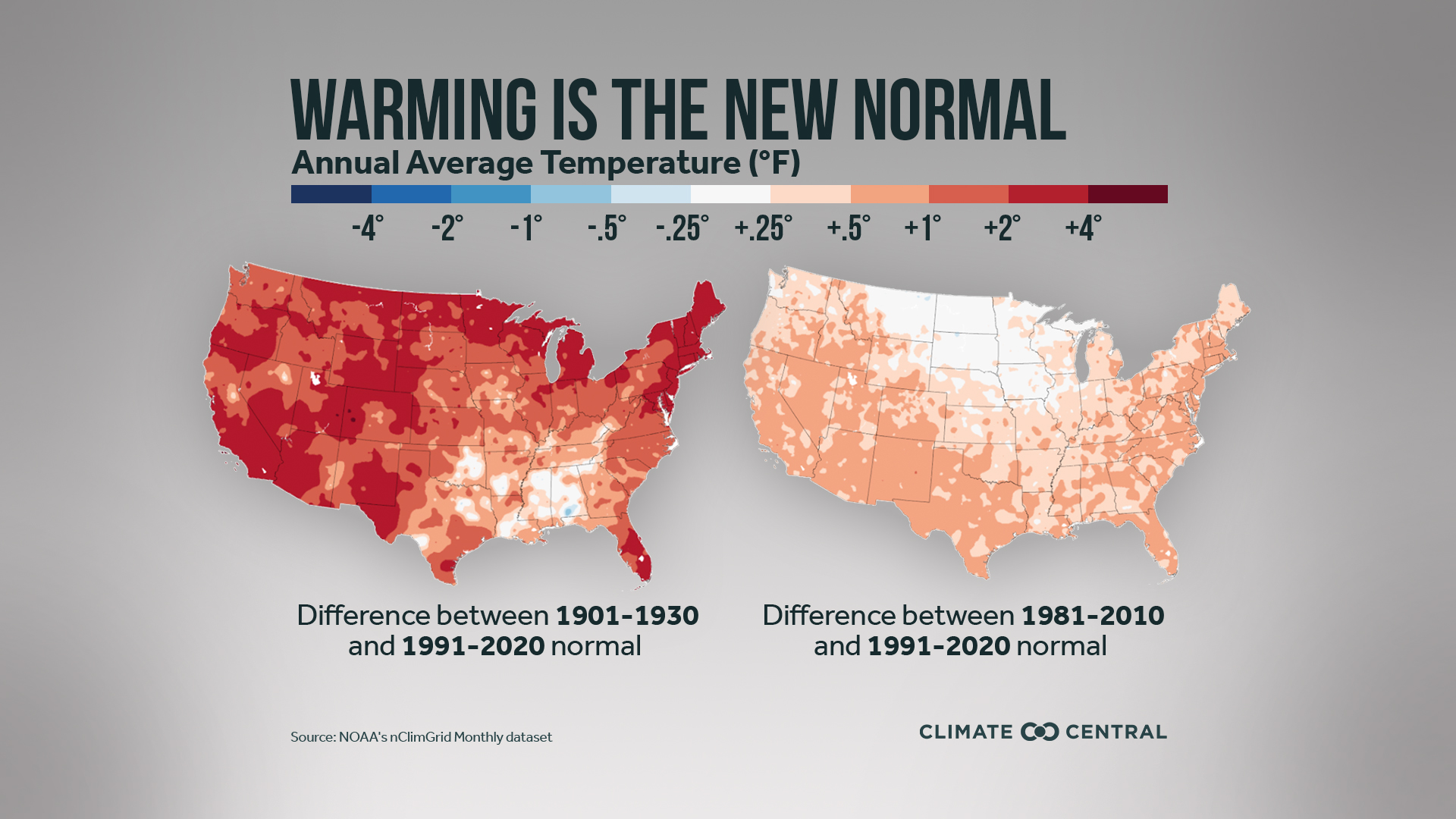
It’s not last year’s weather. “Normal” is based on decades of observations. Meteorologists use climate normals—30-year averages of temperature, rainfall, and other weather measurements—to understand what’s typical for a particular place and season.
These averages also form the foundation of The Old Farmer’s Almanac’s long-range weather forecasts. Every 10 years, the National Oceanic and Atmospheric Administration (NOAA) updates its climate normals. The current U.S. set covers 1991 through 2020.
Comparing these averages with earlier records reveals how much conditions have changed. Much of the United States has warmed, although changes vary by region and season.
But warmer winters don’t necessarily mean earlier springs. In their analysis of recent climate normals, Almanac meteorologists Brian Thompson and Bob Smerbeck found that December had become warmer across much of the country, while parts of the northern United States experienced cooler Aprils.
“Winters start more slowly, coupled with winter ‘hangovers’—chilly weather lasting longer into the spring, which can cause delays in planting.”
—Brian Thompson and Bob Smerbeck, Almanac meteorologists
For gardeners eager to get their first vegetables into the ground, that’s hardly welcome news. But it illustrates an important point: A warming climate doesn’t mean every month or region gets warmer.
A Longer Growing Season—but What About Frost?
A longer growing season sounds like good news. And in many ways, it is! Warmer springs and later autumn frosts can mean more time to grow vegetables, enjoy flowers, and try plants that once struggled in your area.
But there’s a catch: An earlier spring doesn’t mean frost is off the table.
Scientists call this a false spring: Unusually warm weather encourages plants to break dormancy and begin growing, only for freezing temperatures to return.
Home gardeners know the risks, too. A sudden freeze can damage tender new growth on perennials. Magnolias and other spring-flowering trees and shrubs may lose their blossoms overnight. An early warm spell can also tempt vegetable gardeners to plant tomatoes and peppers before it’s safe.
What gardeners can do: Check your local frost dates, watch the forecast, and keep frost cloth handy for vulnerable plants. Be patient with warm-season vegetables, even when spring seems to be arriving early.
When Rain Comes Too Fast—or Not at All
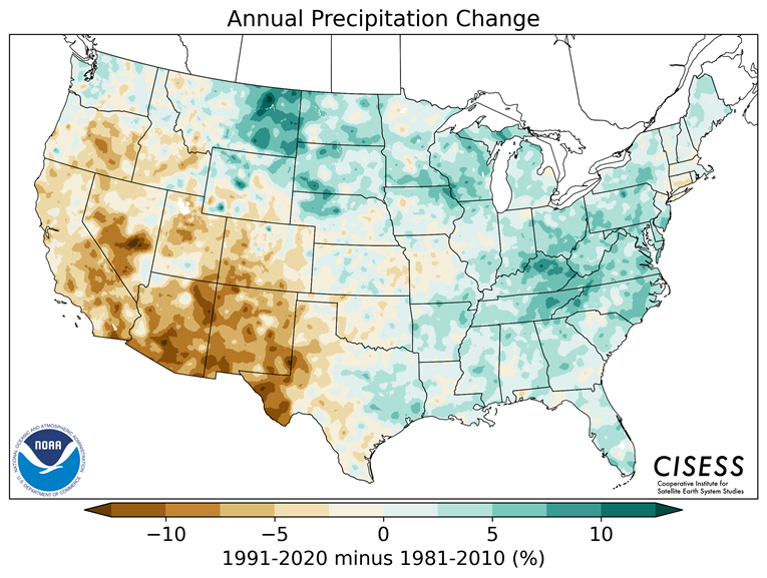
Ever had a summer when it rains buckets one week and barely a drop the next? NOAA’s latest 30-year averages show wetter conditions in parts of the northern and eastern U.S. and drier conditions in parts of the Southwest.
Warmer air can hold more water vapor, providing extra moisture for heavy downpours. For gardeners, it’s not just how much rain falls. It’s how and when it arrives.
A sudden deluge can wash away bare soil, waterlog roots, and splash soil-borne pathogens onto leaves. Prolonged dampness can also encourage diseases such as blight and rot.
Soil type also makes a difference. Sandy soils generally drain quickly but dry out sooner, while clay soils hold moisture longer and can become compacted or waterlogged.
How to Prepare Your Garden for Heavy Rain
A few simple practices can make a difference:
- Watch where rainwater goes. After a downpour, notice where water pools or washes away soil. These are clues to drainage problems.
- Protect your soil. Mulch reduces erosion and prevents soil from splashing onto leaves.
- Improve drainage and airflow. Add compost to improve soil structure, and give plants enough space for air to circulate.
- Plan for downpours. A rain garden or properly designed dry creek bed can help manage runoff.
- Choose plants for your conditions. Have a soggy corner? Try moisture-loving plants such as swamp milkweed or blue flag iris. Keep vegetables in well-drained soil.
When Summer Heat Becomes Too Much
A little summer sunshine is wonderful for the garden. But too much heat? Even sun-loving plants have their limits.
Heat waves and extended dry spells can quickly deplete soil moisture. Some droughts develop so rapidly that scientists call them flash droughts. Hot, windy weather can make matters worse, drying out plants and soil even faster.
Cool-season vegetables such as lettuce, spinach, and broccoli are particularly vulnerable. When temperatures climb, they may bolt—producing flower stalks and seeds instead of the tender leaves or heads we’re hoping to harvest. Even heat-loving tomatoes can stop setting fruit during extreme heat.
This is why winter hardiness tells only part of a plant’s story. The American Horticultural Society’s Heat Zone Map offers another perspective, showing how many days a year temperatures typically exceed 86°F. Although the map relies on older data, it reminds us that plants must tolerate summer heat as well as winter cold.
A few adjustments can make a difference: Grow cool-season crops in spring and fall, provide afternoon shade during heat waves, mulch to conserve moisture, and choose heat-tolerant varieties. Water consistently, especially when plants are flowering or producing fruit.
And don’t forget to take care of yourself, too. If it’s too hot for your lettuce, it’s probably time for you to find some shade!
Are Warmer Winters Bringing More Garden Pests?
Gardeners aren’t the only ones who appreciate a mild winter. Many insects do, too.
Cold winters help keep certain pests in check. Milder temperatures can allow more insects to survive until spring, while warmer growing seasons may give some species more time to reproduce or expand their ranges.
The brown marmorated stink bug, for example, is an invasive insect that feeds on tomatoes, peppers, and other garden crops. Warmer conditions could help it survive and spread farther north. Cucumber beetles are another concern. These insects feed on cucumbers, squash, and related crops and can spread bacterial wilt, a disease that causes susceptible plants to wilt and collapse.
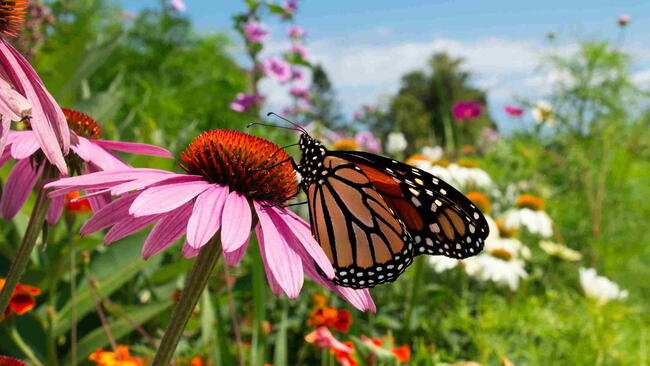
But not every insect is an enemy. Bees and butterflies help pollinate crops, while ladybugs, lacewings, and other beneficial insects feed on garden pests.
The best approach is prevention. Check plants early for eggs and feeding damage. Encourage beneficial insects with a variety of flowering plants, including native species. Protect young plants with row covers, removing them when flowers open for pollination. You can also try trap crops, such as Blue Hubbard squash, to draw cucumber beetles away from other vegetables.
And remember, seeing a few insects doesn’t necessarily mean you have a problem. Sometimes the best gardening tool is simply a watchful eye.
How Can Gardeners Adapt?
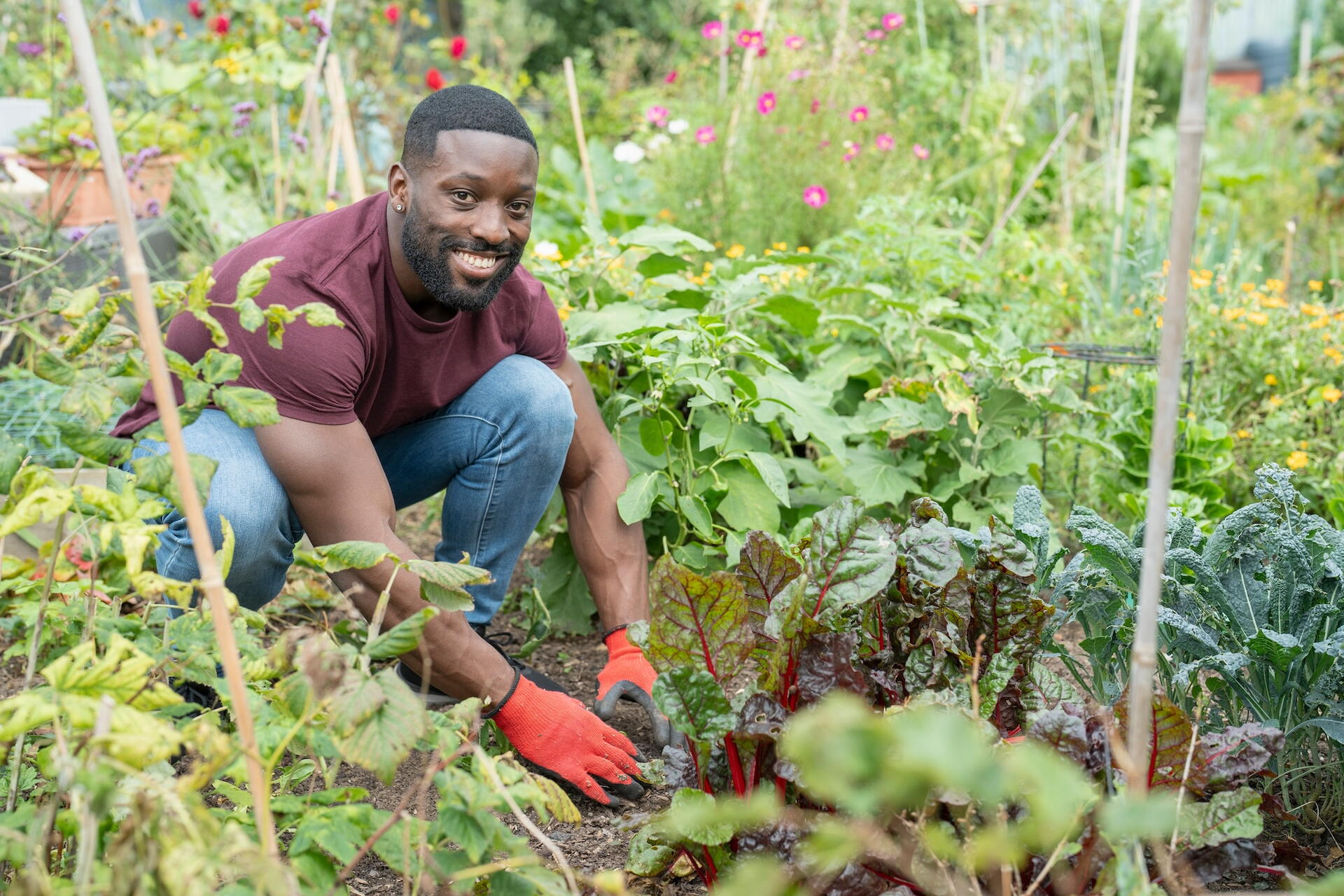
We’ve looked at how a changing climate affects our gardens. Now let’s turn that around: How can the choices we make as gardeners help create healthier, more resilient landscapes?
The good news is that sustainable gardening practices can make a difference, both in helping plants withstand changing conditions and supporting the environment around us.
Here are a few ways to get started:
- Make soil your first line of defense. As heavy rains and dry spells become more common, healthy soil matters more than ever. Soil rich in organic matter absorbs and holds more water, helping plants cope with both extremes. Add compost and improve your soil, keep the ground covered with mulch or living plants, and avoid unnecessary digging that disturbs soil structure.
- Grow for resilience. Look at your garden through the seasons. Do you have flowers blooming from spring through fall? Are all your vegetables struggling during the same summer heat? Try adding plants with different bloom times and growing needs, including native flowers and shrubs. A varied garden can support pollinators throughout the growing season and reduce the risk of losing everything to one weather extreme. Learn how to create a pollinator garden.
- Value your trees. Preserve healthy established trees whenever possible. They provide shade, cool the surrounding landscape, support wildlife, and store carbon.
- Get to know your microclimates. Notice where the sun is strongest, water collects, or drying winds are most intense. Even different corners of the same garden can have surprisingly different growing conditions. Learn how to work with your garden’s microclimates.
- Become a backyard nature watcher. Scientists call the study of seasonal events in nature—such as when lilacs bloom, birds migrate, or leaves change color—phenology. Keep a garden journal to track these changes, along with frost dates and rainfall. Over time, you’ll notice patterns that can help you adjust planting dates and understand how your garden is changing. Explore planting by nature’s signs.
You don’t need to overhaul your garden overnight. Small, thoughtful changes can help your garden become more resilient over time.
“The only thing normal about growing is the constant need to adapt.”
—Brian Thompson and Bob Smerbeck, Almanac meteorologists
Gardening has never been about controlling the weather. It’s about learning to work with it.
Sources
- NOAA Climate.gov — Climate Change and the 1991–2020 U.S. Climate Normals
- USDA Agricultural Research Service — USDA Unveils Updated Plant Hardiness Zone Map
- USDA Agricultural Research Service — 2023 USDA Plant Hardiness Zone Map
- USDA Climate Hubs — Pollinators and Climate
- Yale Climate Connections — Poor Apple Crop Blamed on Early Spring, Late Freeze
- University of Minnesota Extension — Tips for Climate-Ready Gardening
- USDA Climate Hubs — Climate Change Impacts on Brown Marmorated Stink Bug




Comments