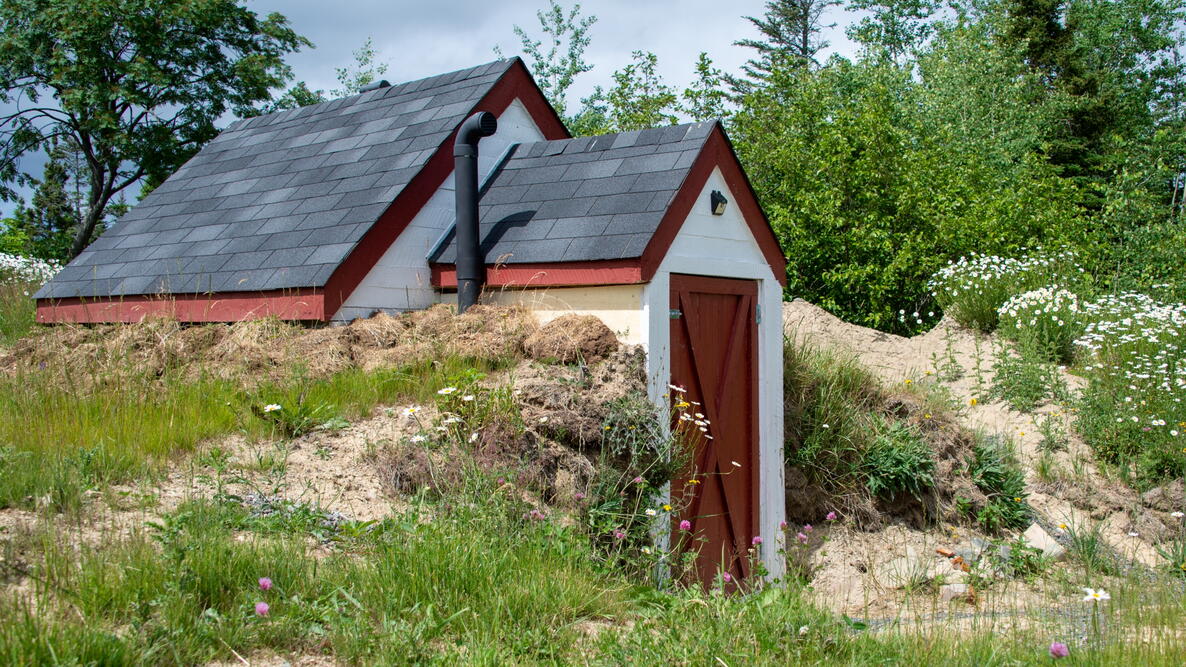
Root cellars are “cool” again (pun intended!). With modern refrigeration, root cellars seemed obsolete. However, with a renewed interest in gardening, food security, and even sustainable living, root cellars have returned! Here are some advantages of storing root vegetables in a root cellar. Take a look at a few types of root cellars.
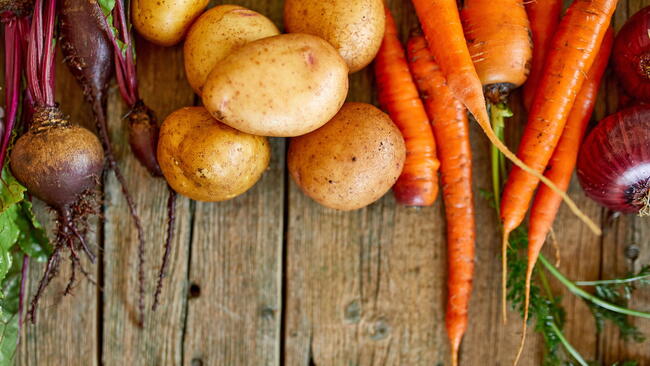
Before refrigeration, an underground root cellar was an essential way to store carrots, turnips, beets, parsnips, potatoes, and other root vegetables. Today, root cellars have returned to keep food from freezing during the winter and keep food cool during the summer to prevent spoilage.
What Is a Root Cellar?
Technically, a root cellar is any storage location that uses the earth’s natural cooling, insulating, and humidifying properties. Whether you stock a root cellar with your own homegrown produce or the bounty from the local farmers’ market, it’s a time-tested storage method.
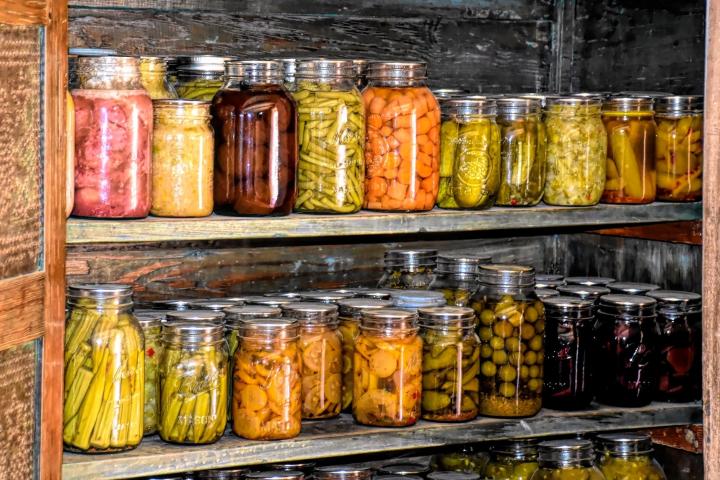
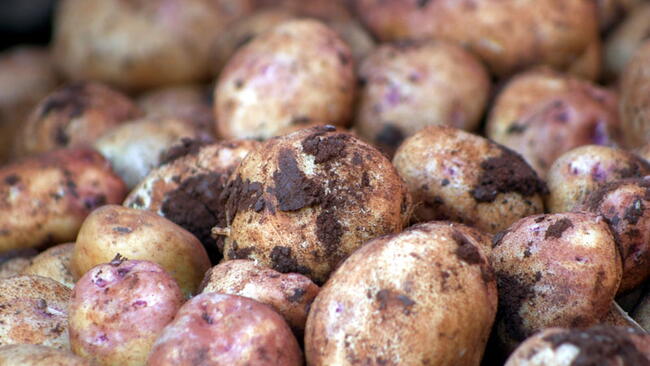
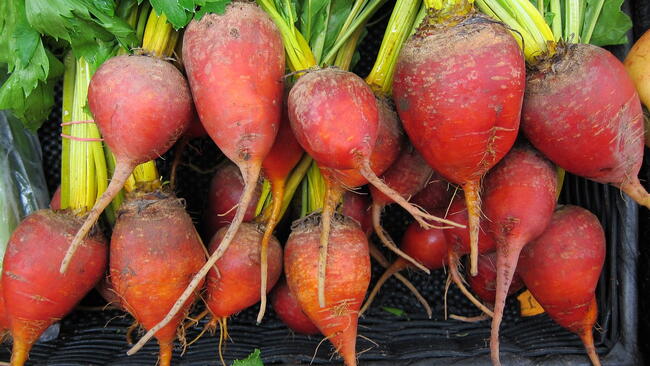
Root vegetables such as carrots, potatoes, beets, parsnips, rutabagas, and turnips are typically stored in a root cellar. The environment is ideal for storing jars of canned or pickled vegetables and the bulbs or rhizomes of perennial flowers as well. A secondary use for the root cellar is as a place to store wine, beer, or other homemade alcoholic beverages.
Advantages of Root Cellars
While root vegetables aren’t expensive to buy, the quality of a homegrown potato or beet is far superior; plus, grocery stores do not always carry vegetables year-round (or you’re buying a vegetable that’s not in season and not very tasty!). Having a root cellar is like having a six-month supply of quality vegetables on hand.
Also, having enough food security without being at the mercy of grocery stores and potential interruptions in the supply chain provides a certain peace of mind.
Finally, there’s the bonus of not having to pay as high an electric bill to refrigerate or cool the produce since the ground temperature will naturally do this for you.
Root Cellar Requirements
To work properly, a root cellar must hold a temperature of 32º to 40ºF (0° to 4.5°C) and a humidity level of 85 to 95 percent. This means that root cellars may not work in warm, southern climates.
- The cool temperatures slow the release of ethylene gas from the crops and stop the growth of microorganisms, which slows down ripening and decomposition.
- The high humidity level prevents moisture loss through evaporation—and the withering look that goes along with it.
Check with your local building department to see what legal requirements you must comply with before doing any construction.
Consider your location. Root cellars can not be built in places with a high water table or a septic system nearby. You’ll also want a close and easily accessible location. Some people have built them under a garden shed so they don’t have to remove snow to access them during the winter.
You’ll need a design that allows you to control humidity, temperature, ventilation, and drainage. These affect how long your produce can be stored.
Types of Root Cellars
Basement Root Cellar
Today, root cellars are often attached to houses for easy access, though it can take some effort to create a cold basement corner.
- The best method is to use the foundation walls on the northeast corner as two sides of your root cellar.
- Build the other two walls in the basement with studs and board.
- Insulate the interior walls, ceiling, and door (and any pipes or ducts) to keep the heat out.
- Ensure there is a ventilation system that allows cool, fresh air from the outside to be brought into the root cellar and stale air to be exhausted. This helps to prevent mold and mildew.
Hole-in-the-Ground Cellar
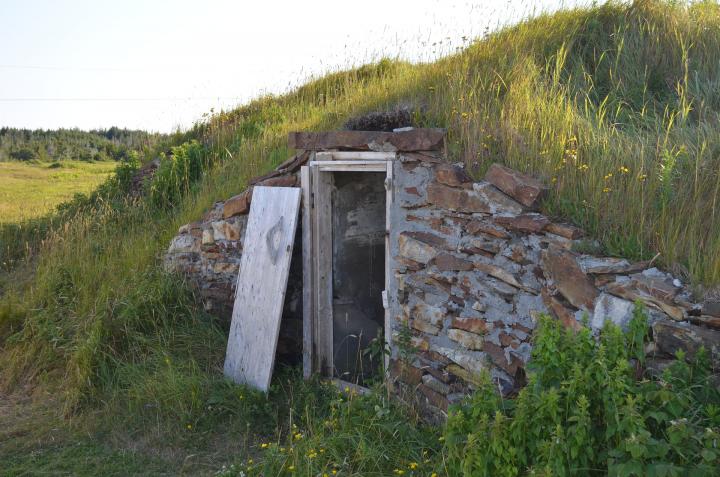
Another option outside the house is to dig down into the ground or horizontally into a hillside.
- This option requires good drainage; sandier soil works better. An elevated slope helps because the water will run away from your pit as it moves downward.
- If your winter temperatures drop below 25°F (-4°C), dig your pit deep enough so all the crops are under the soil’s surface.
- As you dig your hole in the ground, flare the sides so it does not cave in.
- Line the hole with straw and dried leaves, cover the hole with a thick wooden lid, and cover the lid with soil.
The Garbage Can
During winter, using a metal garbage can or barrel in your hole-in-the-ground cellar helps keep water out.
- Dig a hole slightly larger than the diameter of the garbage can and deep enough so that the can’s lid will sit 4 inches above the soil level.
- Heap earth around the circumference, add straw inside the can with the crops, and cover the lid with straw or mulch and a sheet of plastic to keep everything dry.
- Root vegetables will store well, even in the coldest weather.
See our article on how to build a small root cellar.
How to Keep Your Root Cellar Cool
To create the best atmosphere in your root cellar, consider these tips:
- Complete temperature stability is reached at about 10 feet (3 meters) deep.
- Don’t dig a root cellar near a large tree; the tree’s roots can be difficult to dig through, and they will eventually grow and crack the cellar walls.
- Inside, wooden shelving, bins, and platforms are the norm, as wood does not conduct heat and cold as rapidly as metal does.
- Air circulation is critical for minimizing airborne mold, so shelves should stand 1 to 3 inches (3 to 8 cm) away from the walls.
- For outdoor root cellars, packed earth is the preferred flooring. Concrete works well and is practical for a cellar in a basement.
- Every root cellar needs a thermometer and a hygrometer (to measure temperature and humidity, respectively), which should be checked daily, if possible.
- Heat is usually regulated using ventilation to the outside or an exhaust pipe—usually to allow cold air in, often on fall nights, to get the temperature down.

10 Tips for Storing Your Harvest
- Stock your root cellar as late in the season as you can. If possible, chill the produce in the fridge before putting it in the cellar.
- A few vegetables—such as potatoes, winter squash, pumpkins, and onions—need to be “cured” for a few days in warm temperatures before going into storage. See how to cure squash and pumpkins.
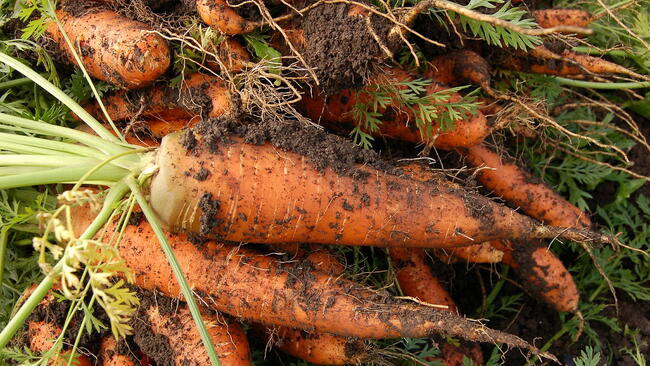
- Shake off loose dirt rather than washing it off. Many root-cellar vegetables store better this way and leaving them wet can encourage rot. Carrots and beets are especially easy to store: just brush off loose dirt, clip foliage back to about an inch above the root, and store roots in boxes of moist sand or peat moss.
- Always handle your vegetables with great care; even slightly rough treatment can cause invisible bruising, which starts the produce on the road to decomposition.
- Store cabbages and turnips in a detached root cellar so their odor, which can be unpleasant, will not permeate the house.
- Think about where you place produce: The driest, warmest air is near the ceiling, more-humid air is lower as well as farthest from the door. Check out our page on storing crops without a root cellar to see which vegetables prefer which conditions.
- Most fruit “breathes,” and some—particularly apples and pears—should be wrapped in paper to slow the release of ethylene gas, which can cause other produce to spoil.
- Making a root cellar in a garage or using pressure-treated wood is not recommended.
- Vegetables piled together generate heat, which can lead to spoilage. Space out vegetables on shelves close to the floor and rotate the shelves every once in a while.
- Check your vegetables regularly, and immediately remove any with signs of rot. From the lessons of the root cellar comes the saying, “One rotten apple spoils the whole barrel!”
Try these techniques whether you harvest your own produce or buy it at a local farmer’s market!
What if it’s not possible for you to build a root cellar? See our article on Storing Your Harvest Without a Root Cellar.
Free Online Gardening Guides
We’ve gathered all of our best beginner gardening guides into a step-by-step series designed to help you learn how to garden! Visit our complete Gardening for Everyone hub, where you’ll find a series of free guides! From selecting the right gardening spot to choosing the best vegetables to grow, our Almanac gardening experts are excited to teach gardening to everyone—whether it’s your 1st or 40th garden.

Getting Started
Planning For a Garden
Planting a Garden
Plant Growing and Care
Harvesting and Storing Vegetables
More Like This
- « Previous
- 1
- 2
- …
- 10
- Next »

Comments