
Caption
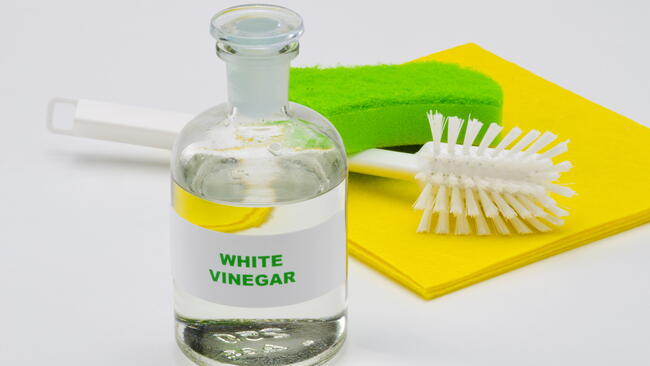
Vinegar has many more uses than you might think! White vinegar is perfect for cleaning, removing stains, and making natural remedies.
Who knew that vinegar could do so much? Here are some of the many household uses for vinegar—from cleaning to stain treatment to relieving insect bites. Discover vinegar’s versatility, as well as when NOT to use vinegar.
There’s a cheap, safe, and effective product that has hundreds of uses: vinegar! Let’s explore all the ways vinegar is useful, from the uncommon to the common.
Vinegar in the Garden
- Defeating garden weeds: Spray white vinegar directly on plants that you want to kill, especially weeds in cracks in your driveway! Spray on a dry, sunny day. Remember that vinegar will kill plants you want to keep as well, so be careful and try to apply it directly to the leaves of the weed you want to get rid of.
- Soothing insect bites: Apply full-strength vinegar to mosquito or other insect bites to relieve the itching. (Caution: Do not do this if the affected area is raw.)
- Insect repellent: Rub a solution of 1 part apple cider vinegar to 2 parts water on your skin to help repel insects. (For sensitive skin, dilute the vinegar further.)
- Keeping cut flowers fresh: To extend the life of flowers in a vase, add a few teaspoons of apple cider vinegar to the water, plus a dash of sugar. The acidic vinegar helps to prevent bacterial growth.
- Powdery Mildew: Diluted vinegar can be used as an effective powdery mildew treatment.

Photo: Vitalii Shkurko
Cleaning With Vinegar
Vinegar is a common ingredient in countless homemade cleaners and is especially helpful for cleaning household appliances.
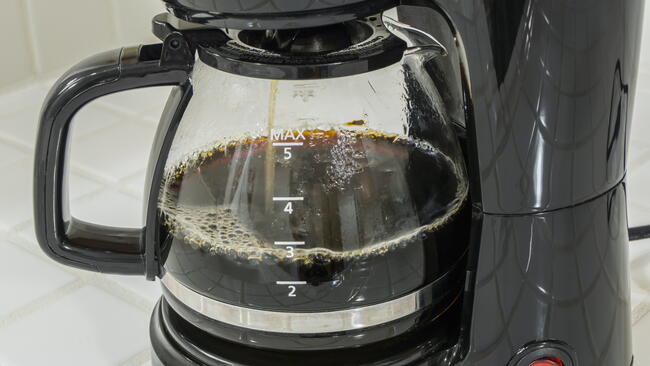
- Coffeepot: Every month, bring a solution of 1 cup of vinegar and 4 tablespoons of baking soda to a boil in teapots and coffeepots to rid them of mineral deposits. To clean drip coffee makers, fill the reservoir with white vinegar and run it through a brewing cycle. Rinse thoroughly by brewing two cycles with water before using.
- Cutting boards: Use white vinegar to disinfect cutting boards, especially those made of wood.
- Stovetop: A solution of vinegar and baking soda will easily remove cooking oil from your stovetop.
- Oven: For a clean oven, combine vinegar and baking soda, then scrub.
- Microwaves: Pour white vinegar into a bowl of water and microwave it for a few minutes, then wipe out.
- Dishwasher: Use as a cheap rinsing agent to get your glasses and plates clean. Also, once a year, pour a cup of white vinegar into an empty dishwasher, then run it for a short cycle to get rid of the lime and soap buildup.
- Clogged or smelly sink: Pour 1/4 cup of baking soda down the drain, then add 1 cup of vinegar.
- Humidifier: Clean the filter on your humidifier by removing it and soaking it in a pan of white vinegar until all the sediment is off.
- Tubs and showers: Saturate a cloth with vinegar and sprinkle with baking soda, and then use it to clean fiberglass tubs and showers. Rinse well and rub dry for a spotless shine.
- Tile grout: White vinegar is actually safer than chlorine bleach for cleaning grout and caulking in bathrooms and kitchens. Spray, leave for one hour, and then scrub.
- Shower curtain: Use a sponge dampened with vinegar to clean shower curtains.
- Toilet bowl: Clean and deodorize your toilet bowl by pouring undiluted white vinegar into it. Let it stand for five minutes, then flush. Spray stubborn stains with white vinegar, then scrub vigorously.
- Windows: Clean windows with a cloth dipped in a solution of one part white vinegar and 10 parts warm water.
- Fridge odors: Rid your refrigerator and freezer of bad odors by cleaning the insides with a solution of equal parts vinegar and water, then wiping dry.
- Smoke odors on clothes: To remove smoke odors on clothes, hang them above a steaming bathtub filled with hot water and a cup of white vinegar.
- Prevent mildew: Wipe down surfaces with vinegar to clean and prevent mildew.

Photo: TSViPhoto
You’ll notice that baking soda is often used as a sidekick to vinegar. Find helpful household uses for baking soda here, and see a list of more natural household cleaners.
Vinegar for Stain Removal
White vinegar is known as an effective stain remover.
- Clothes: Vinegar naturally breaks down uric acid and soapy residue, leaving baby clothes and diapers soft and fresh. Add a cup of vinegar to each load during the rinse cycle. It also gets rid of stinky towel mildew and makes clothes more colorful.
- For removing specific stains such as ketchup, tomato sauce, etc., spray a little vinegar directly onto the stain and then launder.
- Chewing gum: To remove chewing gum, rub it with full-strength vinegar.
- Paint stains: Soak paint stains in hot vinegar to remove them.
- Shoes: To remove salt and water stains from leather boots and shoes, rub with a solution of 1 tablespoon white vinegar and 1 cup water. Wipe over the stained area only, and then polish.
- Brighten white clothes: Soaking white clothing in vinegar will help bring back its brightness.

Photo: LeeStudio
See our page on how to remove stains for more tips.
Vinegar and Pet Care
- Itchy ears: Clean inside of dog and cat ears with a clean washcloth or rag dipped in a white vinegar solution (4 tablespoons water: 1 tablespoon vinegar).
- Smelly pets: If your pets get sprayed by a skunk or have other incidents, vinegar can help get rid of the smell!
Vinegar for Cars
- Remove bumper stickers: To remove bumper stickers from car chrome, squirt on vinegar and let it soak in. Next, scrape off the stickers. Decals can be removed similarly.
- Keep windows clear: Wipe down windows with diluted vinegar in winter to keep them frost-free. You can also use vinegar spray as a window cleaner.
Other Creative Uses for Vinegar!
- Sprains: Place a vinegar-soaked brown bag on sprains to ease pain and aid recovery.
- Shiny hair: For brunettes, rinsing hair with vinegar after a shampoo makes hair shinier. Use one tablespoon of vinegar in one cup of warm water.
- Loosen jar lids: Hold the jar upside down and pour warm vinegar around the neck at the joint between the glass and the top.
When NOT to Use Vinegar
- Do not use vinegar on granite or marble countertops.
- Avoid using vinegar where there is unsealed grout.
- Do not use vinegar on wood surfaces or hardwood floors (or no-wax vinyl floors).
- Never use vinegar on your cell phone or computer screen!
Have a favorite vinegar hack? Share it in the comments below!

More Like This




We're so sorry to hear about your pup's allergy! Dogs can sometimes become allergic to grass, causing various symptoms, such as sneezing, watery eyes, itching, coughing, or hair loss. If your pup's symptoms are relatively mild, you can try to help by wiping the coat with a warm, damp towel when your pup comes in from the outside, to help remove grass pollen from his or her fur--be sure to use a fresh towel each time. Also, indoor air purifiers and air conditioning can help reduce allergens inside the home. Usually, grass allergies are seasonal, mainly in early spring and early summer; your dog may do better once the grass pollen is not as prevalent in the air. Keep your lawn mowed--do not let it go to seed, where it will produce pollen. Check pollen counts before walking your dog or letting it out to play; keep your dog indoors as much as possible on bad pollen days. Some owners have their dogs wear dog booties to help prevent their paws from touching grass allergens (wash the booties regularly to remove any pollen), although this wouldn't prevent allergens from contacting the dog's coat. Avoid taking the pup through areas that have tall grasses. Give your dog a bath in cool water to soothe itching; anti-itching dog shampoo can also help. It is said that dog supplements that contain omega-3 fatty acids can sometimes help reduce itching, but check with your veterinarian first before administering. If symptoms are moderate to severe, it would be best to talk to a veterinarian; prescription medicines and/or allergy shots can help to relieve symptoms. We hope that your puppy feels better soon!
- « Previous
- 1
- 2
- …
- 10
- Next »

Comments