
Never miss a full moon, eclipse, or meteor shower with reminders from the Almanac Daily newsletter.
This Week's Amazing Sky
Have you ever noticed snow or ice slowly disappearing even though the temperature never rises above freezing? It’s not melting—and it’s not magic. This fascinating winter phenomenon is called sublimation, and it explains why snowbanks shrink, ice vanishes from rooftops, and frost fades away on cold, sunny days. Let’s break down how snow can go straight from solid to vapor without turning into…
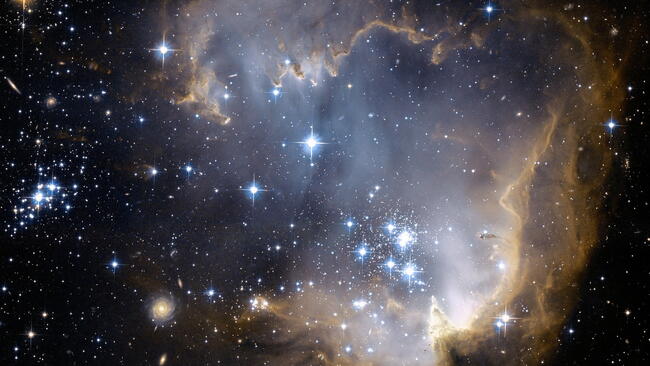
On a clear night, the stars seem to sparkle like tiny diamonds—but have you ever stopped to wonder why they do that? Stars don’t actually twinkle on their own. That familiar shimmer is caused by Earth’s atmosphere bending starlight as it travels to your eyes. Even more curious: while stars flicker, planets usually shine steadily. This simple nursery-rhyme mystery turns out to be a fascinating…
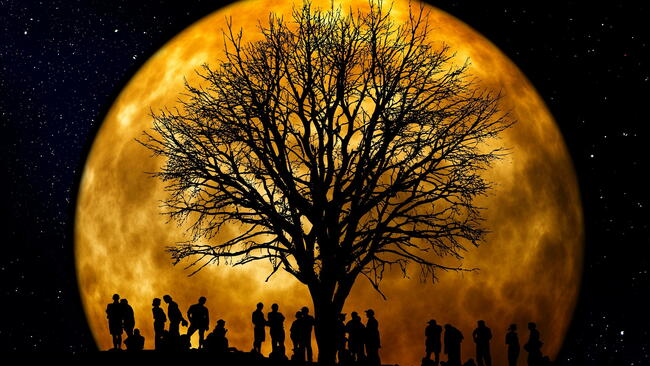
In 2026, we will have THREE Supermoons! January brought us the year’s first Supermoon; then, we will see one in both November and December! What is a Supermoon, exactly? We agree that it’s a catchy word—and anything encouraging us to explore the night sky is positive—but let’s also get our facts straight.What Is a Supermoon?Generally speaking, a Supermoon is a Full Moon that appears…
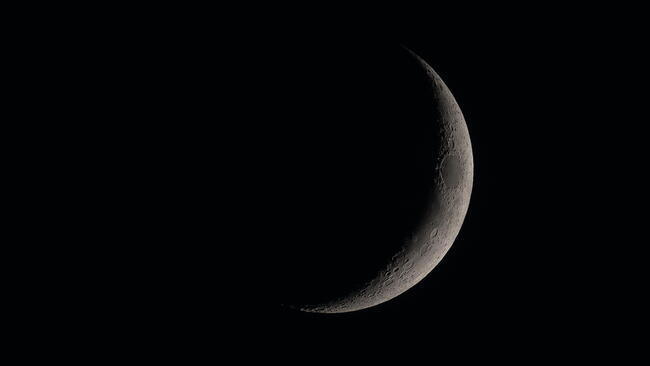
It’s a New Moon! For astronomers, a New Moon means no Moon to see. For many cultures, however, the New Moon carries special meaning. What does a New Moon look like, and what does it mean? Let’s explore, fellow Moon lovers …What Is a New Moon?A New Moon is essentially the opposite of a full Moon. During a full Moon, we see the side of the Moon that is illuminated by the Sun, giving…
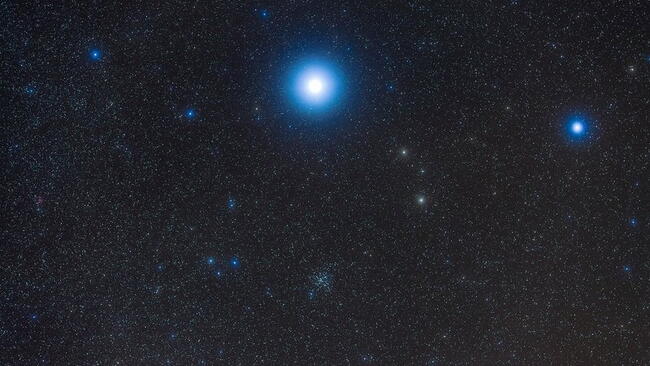
Want a cosmic way to welcome the New Year? Step outside on New Year’s Eve 2025 and look south as midnight approaches to spot Sirius, the brightest star visible from Earth. Known as the Dog Star or New Year Star, Sirius reaches its highest point in the night sky right around local midnight, making it one of the easiest and most dazzling celestial sights of the year—no telescope required.Spot…
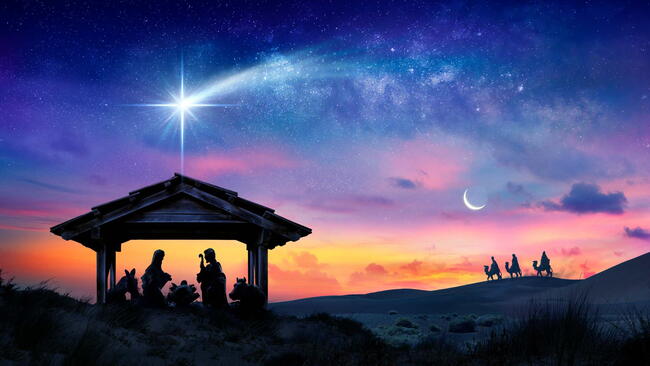
Was the Star of Bethlehem a real astronomical object? Many religious scholars believe the bright star never existed as a physical object. Instead, when the account was written 50 years after Christ’s death, the star was meant as an astrological omen. I take both religion and science seriously. In and of itself, the mixing of science and religion is shaky, but it can be helpful in…
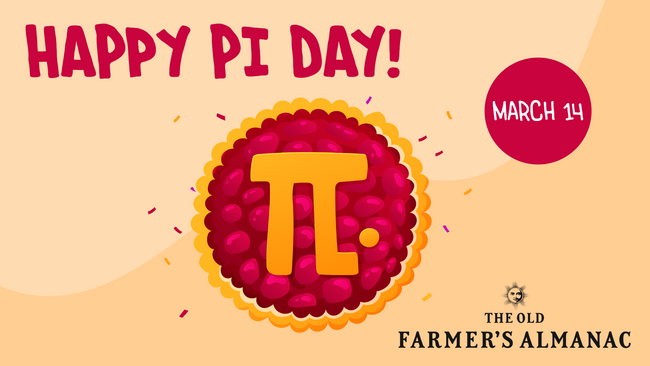
Make a pie to celebrate Pi Day on March 14, 2027! The date 3/14 honors the never-ending number 3.14159. This is the sort of holiday only celebrated by number fanatics, like yours truly (and pie lovers). Let’s have fun with numbers and a nice piece of π… .The date 3/14 reminds everyone that the Greek letter π, always representing the ratio between any circle’s…
Are you a stargazer? After your Thanksgiving feast, in this season of dark skies, let’s look up—way up—at beautiful stars, planets, and the amazing universe around us. There are so many reasons to be grateful. Bob Berman gets us started …(Note: This is a reprint of Bob’s letter on Cosmic Gratitude.)It would be nice to hold a Thanksgiving star party, where we…

The 2025 winter solstice occurred on Sunday, December 21, at 10:03 a.m. Yes, this is the shortest day of the year, but let’s talk about how many minutes each day the daylight increases afterward. Plus, we’ll discuss other ways you can see and feel the solstice.What Happens on the Winter Solstice?Here are the most tangible factors affecting your everyday life. Your shadow…
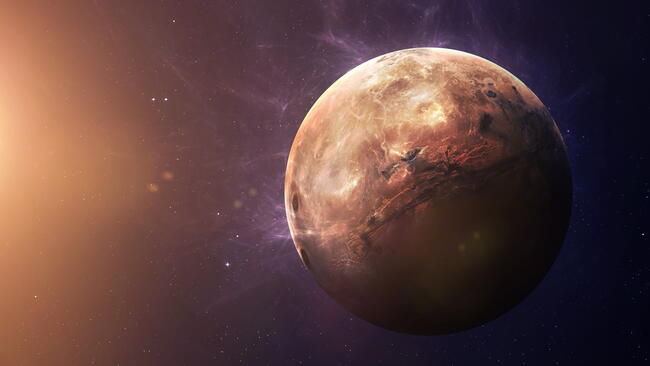
Planet Mercury is odd in so many ways; it’s hard to find aspects that aren’t strange. What color is Mercury, really? And does it have the hottest surface temperature? See 10 fun facts about the smallest planet in our solar system. Quick Facts About MercuryFeatureMercuryDistance from Sun36 million miles (58 million km)Orbit Duration88 Earth daysRotation Period59 Earth daysSurface…
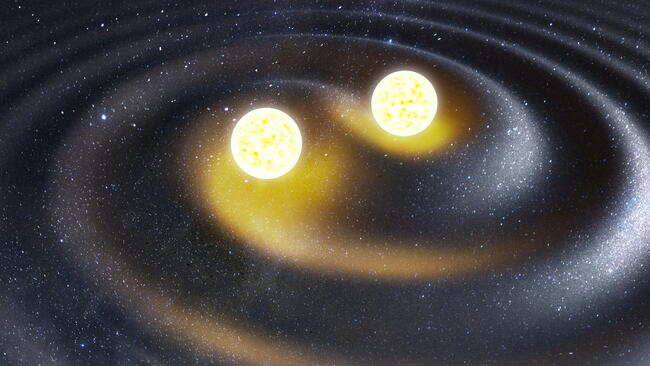
Double, double, toil, and trouble! Autumn is a great time to spot a double star! Today, we’ll highlight the famous Epsilon Lyrae, which is called the “Double Double.” Don’t worry; you don’t need to contact your optician. Read all about this very curious starry sight.What Is Epsilon Lyrae, the Double Double Star?Commonly referred to as the “Double Double,” Epsilon Lyrae (pronounced EP…
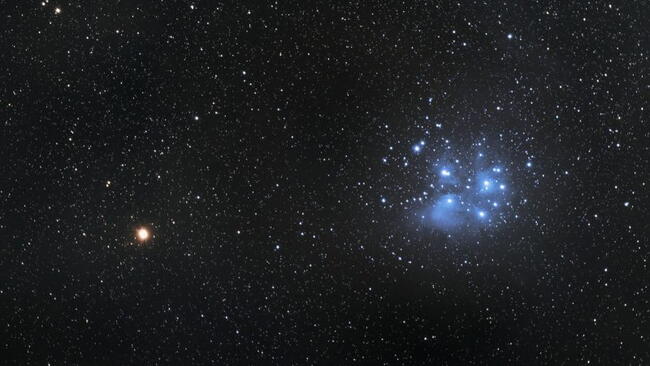
The Seven Sisters, also known as the Pleiades star cluster, is one of the most recognizable patterns in the night sky. This sparkling group of stars, sometimes called a “tiny dipper,” becomes especially noticeable in the fall and spring evenings, when it rises at nightfall and glitters low in the west above the setting Sun. But why are they called the Seven Sisters when most people only see six…