Never miss a full moon, eclipse, or meteor shower with reminders from the Almanac Daily newsletter.
This Week's Amazing Sky
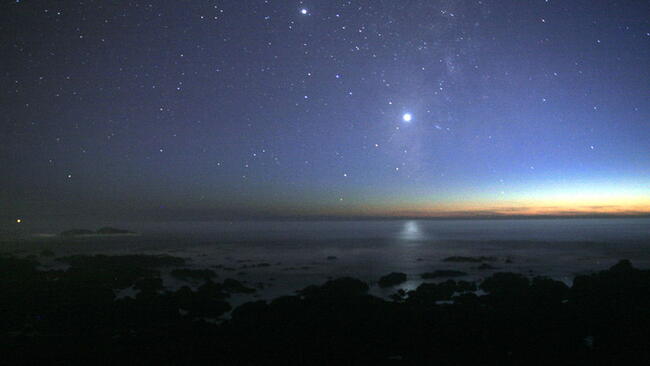
After the Moon, Venus is the brightest thing in the night sky. Nothing else even comes close. No wonder civilizations through the ages, like the Maya, worshiped it.
But Venus is not always there. Sometimes it’s behind the Sun. Sometimes it’s very low in our sky, hidden in twilight behind hills. For nine months at a time it’s only visible in…
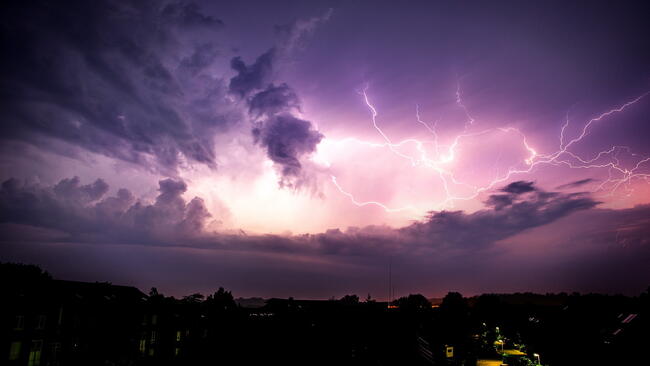
We’re never too surprised when the night sky has a sudden flash. Sometimes it’s late-summer fireworks. And nature creates flashes too.
Lightning Flashes
The usual cause, of course, is thunderstorms. As the Almanac says, “Thunderstorms in July are nearly as abundant as ants at a picnic.”
Sometimes it’s surprising to see a flash of lightning when the sky is clear and…
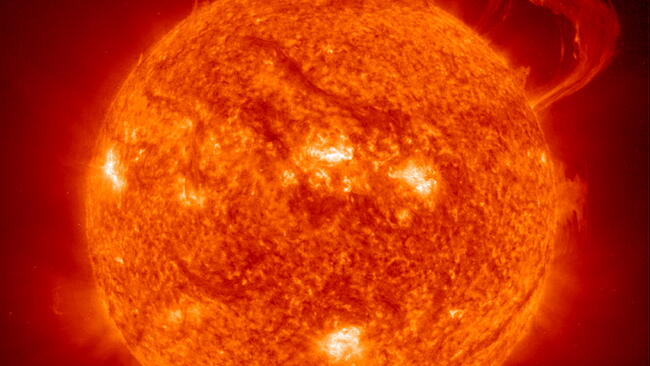
With this week’s fireworks fresh in mind, we’re allowed to wonder: What is the universe’s most awesome energy? Right now, when early summer solar power is so strong, we might first say that “The Sun” is the most powerful force. Not a bad starting point.The Energy of our SunWe’re talking nuclear fusion, first revealed in 1920. Turns out, at a high enough…
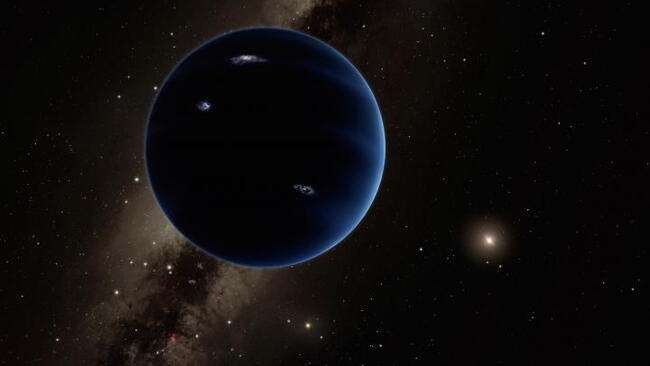
What is Planet Nine? Find out more about a possible new planet in our solar system.
Everyone likes planets. They’re familiar. We live on one. Ask your Aunt Lucie to name a few of the solar system’s Moons or to recite five stars, and you’ll probably get a blank stare. But ask her to name all the planets, and no problem.
It’s been a while since anyone found a…
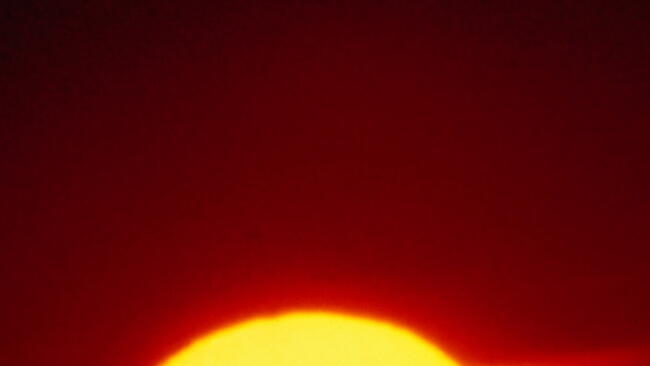
The darkest afternoon—our earliest sunset—is upon us. For most of us, the darkest day of winter will feel like December 8.
Whoa, hold on. That must be a mistake. Isn’t that a bit early?
No, mistake. It’s a strange, reliable yearly sequence. First comes the earliest sunset on December 8 this year, if you live around latitude 40 degrees.
Then comes the Winter Solstice…
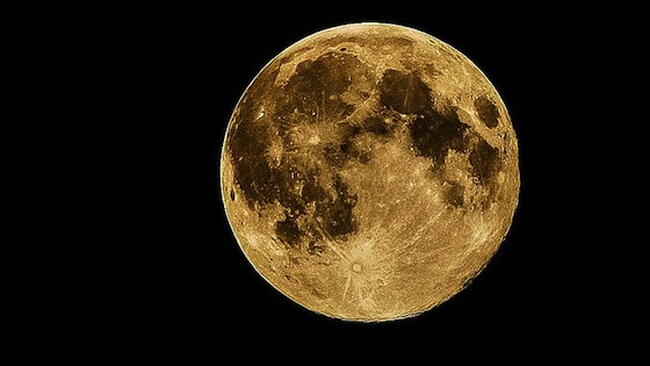
It seems cruel and unusual punishment that nights are now growing longer. After all, it feels as if summer has barely begun. However, the slowly-expanding darkness makes it a perfect time to explore the shadowy topic of—blackness.
Is the Night Sky Truly Dark?
You'd think an issue as basic as darkness would be simple as black-and-white. But the only convenient way for people to experience…
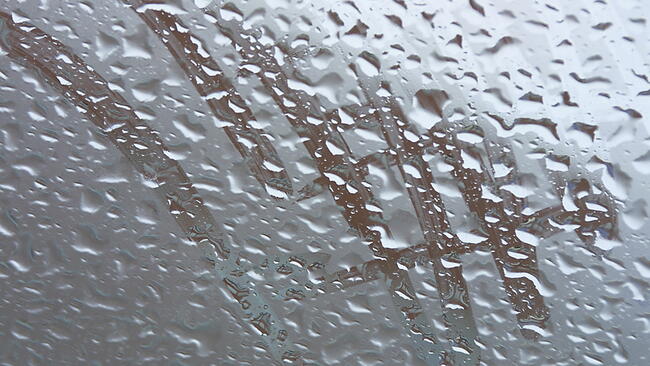
It’s humidity season. And there ARE those among us who find humidity exciting, whose bodies seem to revel in tropical air.Most of us are not of that school; we use that divine invention, the air conditioner, as much for its drying as for its cooling talents. But, while it’s upon us, let’s discover humidity’s scientific side.How does humidity affect temperature?The most important…
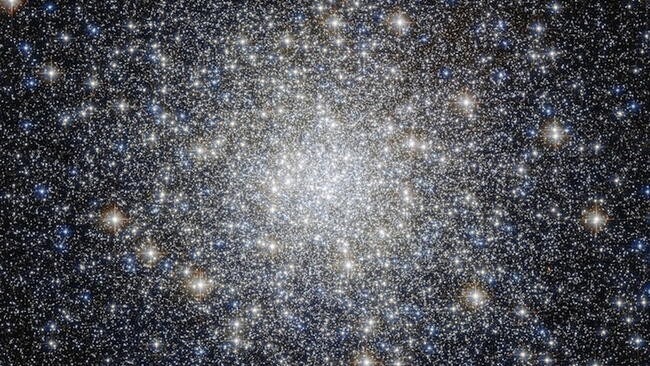
Got Binoculars? Then you’ve got it made! Get started sky watching with some tips on how to choose binoculars.June offers natural treasures by day and the starry universe by night. Both can be greatly enhanced with a simple pair of binoculars. Odds are, you’ve already got a pair, gathering dust somewhere. This moonless week is an ideal time to put them to use.With lenses of glass…
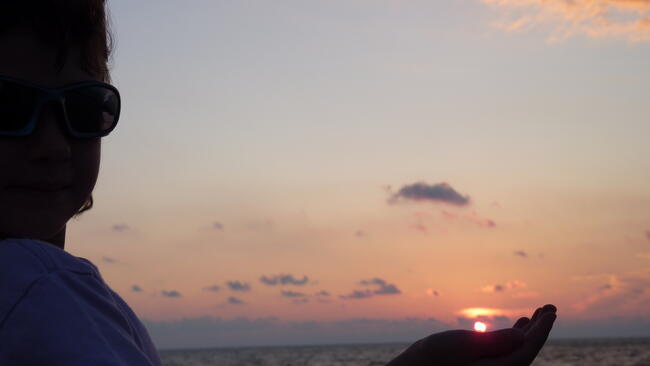
“What Is the Universe Expanding Into?” A reader recently asked that question. So here's the inside scoop.
But first, what exactly is expanding?
Not our solar system with its planets orbiting the sun
Not our Milky Way galaxy of 400 billion stars. It never gets any bigger.
Not the galaxies right around us. Indeed, the nearest spiral, Andromeda, is approaching…
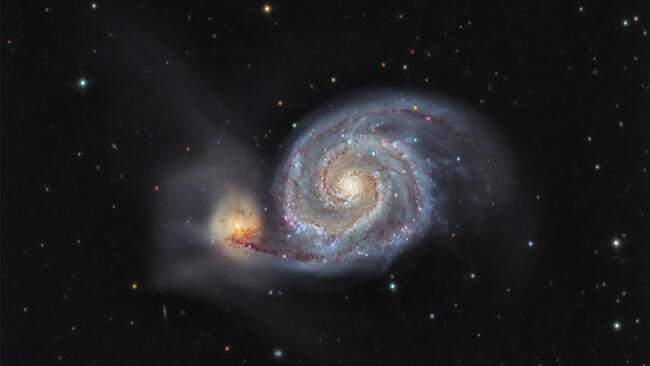
The Whirlpool Galaxy, or M51, is a massive spiral type galaxy that is positioned beautifully face-on near The Big Dipper in the constellation Canes Venatici.It is about 24 million light years away and part of a cluster of gravitationally bound galaxies called … wait for it … the M51 group.Messier 51 was discovered on October 13, 1773 by Charles Messier. Charles was a famous comet hunter…