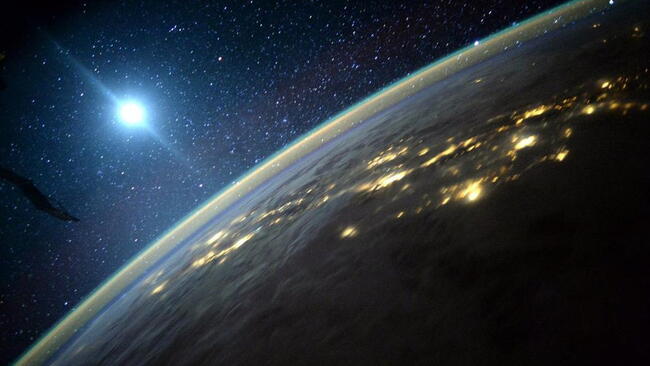
Never miss a full moon, eclipse, or meteor shower with reminders from the Almanac Daily newsletter.
This Week's Amazing Sky
Think you know space? There are plenty of common astronomy misconceptions that have been repeated for generations. From whether the Moon really has a “dark side” to what happens during a total solar eclipse, some familiar space facts aren’t quite what they seem. Here are 10 common astronomy myths—and the fascinating truths behind them.One of the most common misconceptions relating to…
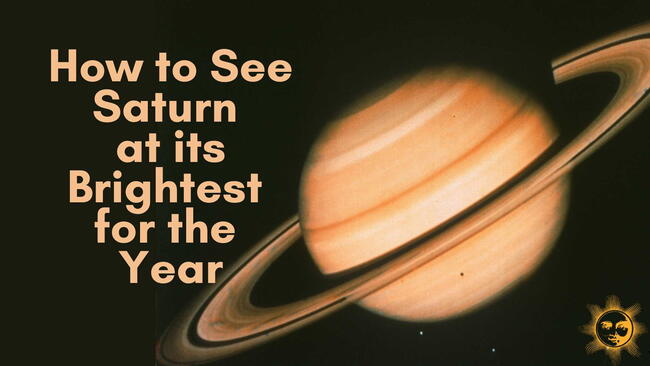
Saturn reaches opposition on October 4, 2026, when Earth passes between the Sun and the Ringed Planet. Saturn will rise around sunset, remain visible all night, and appear at its brightest for the year. Here’s when and where to look—and what you need to see its magnificent rings.Quick Facts About Saturn OppositionOpposition date: October 4, 2026Best viewing: Late September through…

When folks grumble about feeling uncomfortable in the summer, they often say, “It’s not the heat; it’s the humidity.” And sure, it’s humid—but the dewpoint is what tells you how muggy and sticky the air feels. Whether you’re tending your garden, heading out for a run, or just trying to survive a summer day, let’s break down what humidity means—and why dewpoint matters more than you might…
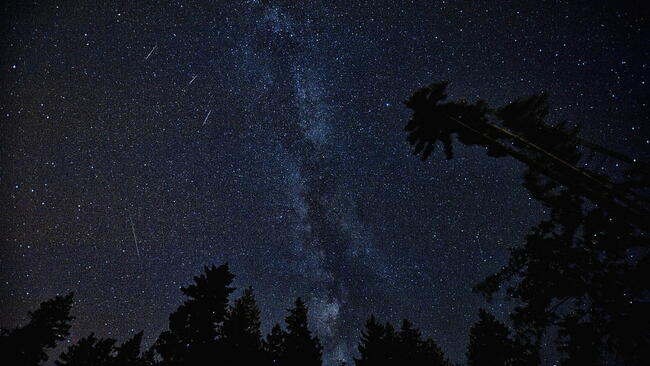
Every year, meteor showers light up the night sky, leading some people to wonder: Could one of these space rocks hit Earth? The short answer is yes—but the odds of a devastating impact during our lifetime are extraordinarily small.For reasons no one can explain, meteor showers are mostly crammed into the final 5 months of the year. The most famous is the Perseid shower, which peaks in August…
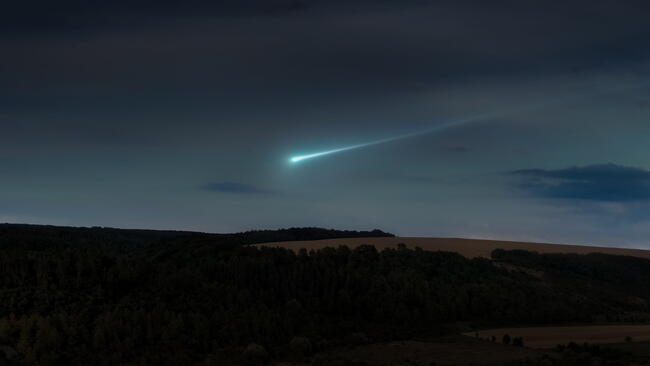
When we gaze up at the night sky, it appears as a mostly still-life scene. An exception is when a streaking meteor suddenly pierces the sky. We’re talking about shooting stars. Would you believe a shooting star might be just the size of a raisin? Learn all about these streaks of light—and how to see one!The stars appear motionless at any given moment. You’d have to leave and return 10…
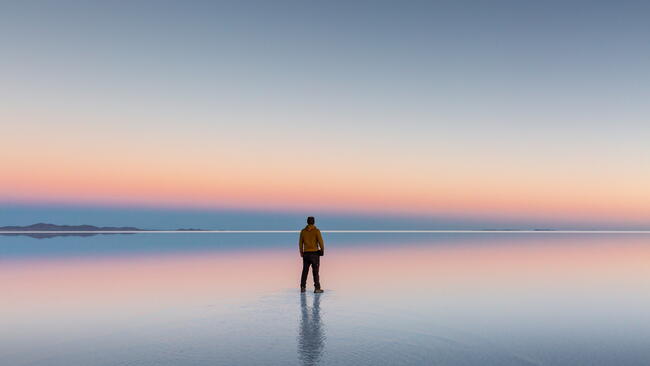
We’ve all enjoyed a view of the sunset over the horizon, especially when we go to the beach. The horizon view offers many unique wonders of our amazing sky—all conveniently situated straight ahead! Let’s highlight a few of these strange and wonderful marvels. You can do your own Stonehenge thing without moving a single rock.Some of us—like those who have overlooked the ocean—can see the sky…

If you’ve ever been caught in a downpour and wondered whether it’s better to walk or run to the car, you’re not alone. Scientists have debated this surprisingly tricky question for decades. The answer? Running generally keeps you drier because you spend less time exposed to the rain.Why Scientists Studied This QuestionBelieve it or not, scientists have debated this for years. If…
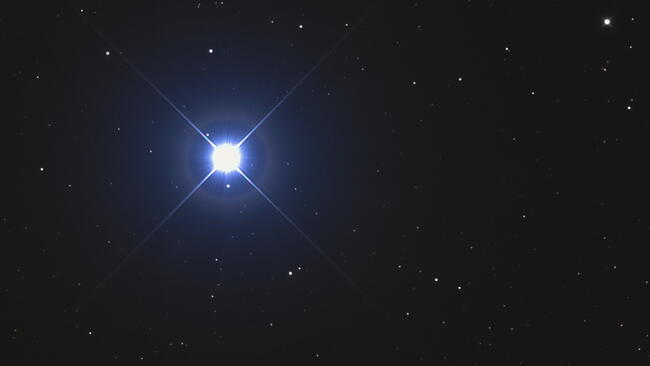
In early summer, night falls at its latest hour—around 9:30 to 10 PM. High in the east shines summer’s bright star—the famous Vega. Learn fascinating facts about Vega, a favorite of stargazers and astronomers, and its fascinating folklore.Away from city lights in mid-July, one could see as many as 2,500 naked-eye stars. But if you look east, only one star stands out because it’s…
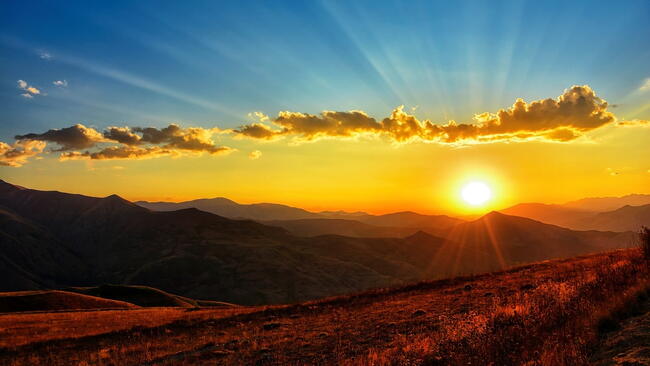
Summer…bring it on! After the summer solstice (June 21, 2026), we start to lose daylight. How fast? Bob Berman talks about solstices and sunsets—and finding out how rapidly the times change where you live.First, here is a refresher: The summer solstice is the first day of summer, according to astronomy. The word solstice comes from the Latin words for “sun” and “stop.” It makes sense:…
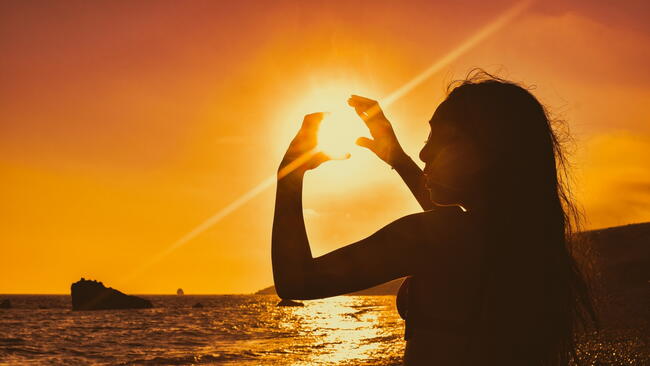
Welcome the summer solstice with a fun 10-question solstice quiz. Then read Bob Berman’s seven cool (or, is it “hot”?) solstice facts to celebrate the start of summer!The solstice on Sunday, June 21, 2026, happens at the same instant for all of us, everywhere on Earth; only our clocks are different. In the eastern United States, the solstice occurs at 4:24 A.M. EDT.Sure, you…
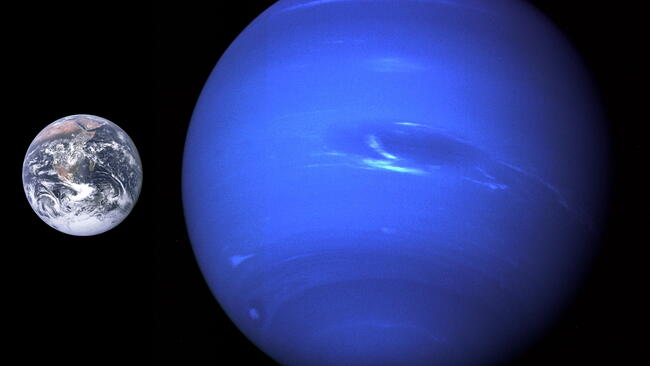
On September 25, 2026, planet Neptune reaches its closest approach to us for the year. Why should we care about the only planet that cannot be seen with the naked eye? Well, if size matters, then it deserves attention on that basis alone; since it’s such an enormous blue ball, 58 planet Earths could fit inside it. Discover the “other” blue planet.Discovering NeptuneWe really should…
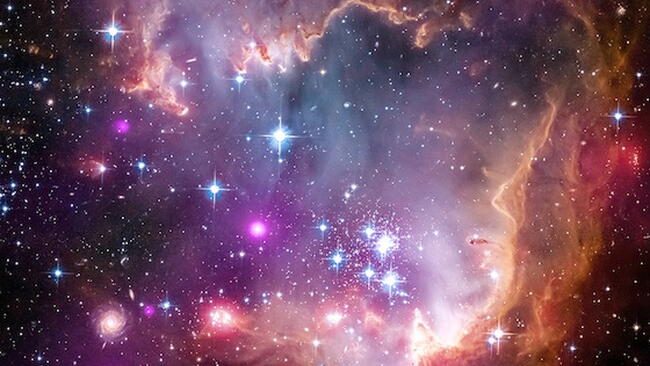
Look up at the night sky, and you’ll see stars shining in white, blue, yellow, and red. But one color is mysteriously missing—green. Why don’t green stars exist, even though our eyes are most sensitive to green light? The answer lies in how stars produce light and how human vision works.The Colors of StarsSome stars clearly look yellow, white, orange, or blue. Binoculars bring out…