Never miss a full moon, eclipse, or meteor shower with reminders from the Almanac Daily newsletter.
This Week's Amazing Sky
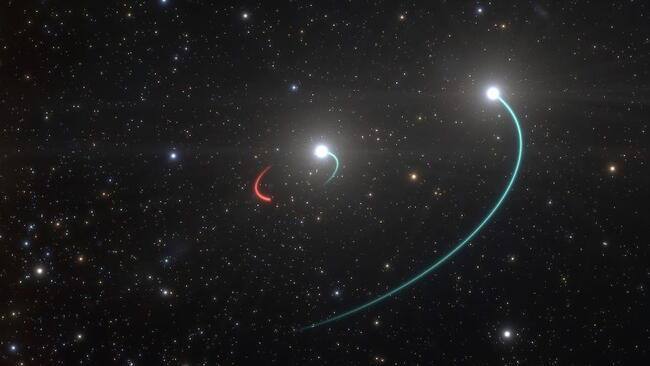
In recent years, astronomers have discovered black holes that the media will say are “close” to Earth. Is there anything to concern us about this scary-sounding news? The truth about black holes is more fascinating than the hype. And let’s briefly explore it.Black Hole Quick FactsBlack holes do not suck in everything around themYou must be very close to be affectedThe Sun…
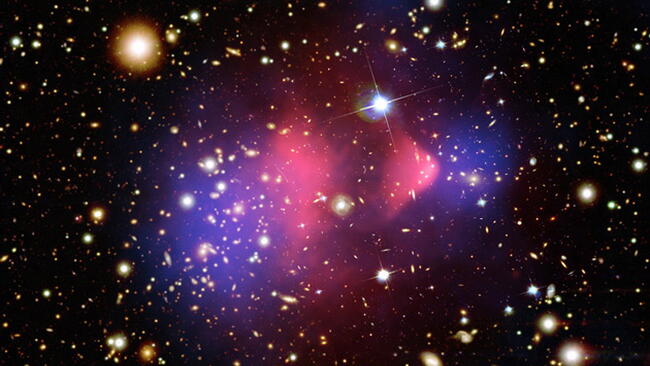
In 1933, astronomers discovered something shocking—most of the universe was missing. Not missing as in lost, but invisible. Today, scientists believe that about 85% of the universe is made of dark matter, a mysterious substance that cannot be seen but holds galaxies together. So what exactly is dark matter, and how do we know it exists?The Discovery of Dark MatterDark matter was coined…

Spring brings dramatic changes to the garden—but the sky is transforming just as quickly. From fading winter constellations and disappearing planets to deep blue daytime skies and galaxy viewing season, the spring sky offers a completely different celestial experience. Here’s how and why the sky changes in spring.Why the Night Sky Changes in SpringThe brilliant winter constellations—the…
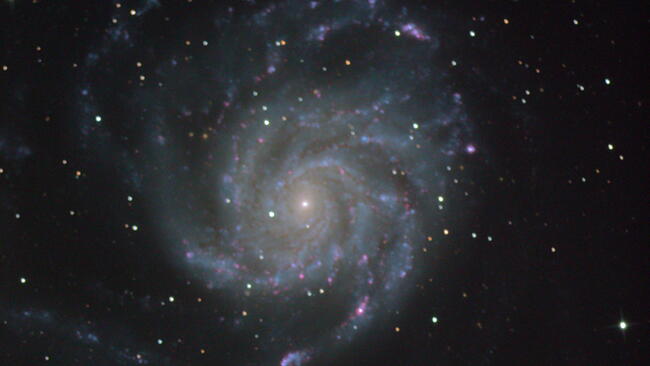
Spring is one of the best times of year for stargazing because our view of the universe opens beyond the Milky Way. From March through mid-May, astronomers can spot dozens of distant galaxies—including the famous Whirlpool and Pinwheel galaxies. Here’s how to find them and what you need to start galaxy hunting.What Is a Galaxy?It may help the novice sky watcher to understand the…

When the forecast says there’s an “80% chance of rain,” many assume it means they’ll almost certainly get wet. But that’s not quite right! Weather forecasts use probabilities, and understanding how to interpret them can help gardeners, stargazers, and anyone planning outdoor activities make better decisions. Let’s break down what a “chance of rain” actually means—and how to calculate the odds…
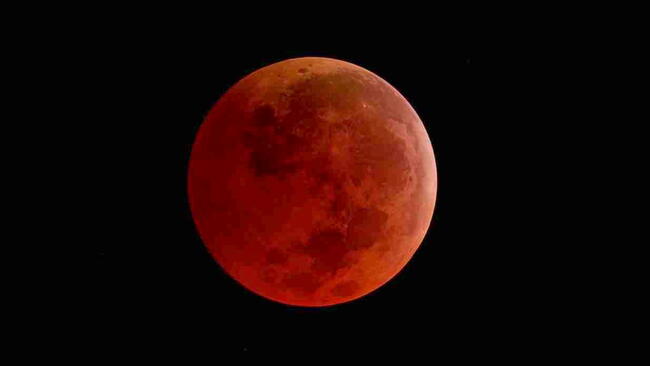
The next “Blood Moon” will occur during the total lunar eclipse on March 3, 2026. A Blood Moon isn’t a special kind of eclipse—it’s a popular nickname. The term has inspired plenty of hype, folklore, and even end-times prophecies. Here’s what a Blood Moon really is, why the Moon can look red, and what the name does not mean.What Is a Blood Moon?A Blood Moon is a common name for the reddish…

On this March equinox, does the Sun rise due east and set due west? Are day and night of equal duration? Some of these answers are quite contrary to common wisdom. Bob Berman brings the fun facts to celebrate the first day of spring!On the vernal equinox (March 20, 2026), the Sun will cross the celestial equator—an imaginary line in the sky above Earth’s equator—from south to north. This…

At noon now, the Sun stands a bit higher each day. Most of us do not notice the slow changes in the sky, like daylight increasing by just seconds a day, and what that does to us. Let’s explore these often unseen natural wonders.1. Note the Sun’s position rising—over five times its width every week.Each day, the Sun moves eastward against the stars. Being in Aquarius, it simultaneously…
A “Once in a Blue Moon” event occurs on May 31, 2026, when the second Full Moon of the month rises—commonly known as a Blue Moon. The Moon will not actually be the color blue, so don’t be disappointed. So, what is a Blue Moon, exactly? Read all about the different types of Blue Moons and tell us what you think.Quick Facts:Date: May 31, 2026Type: Calendrical Blue MoonMeaning:…
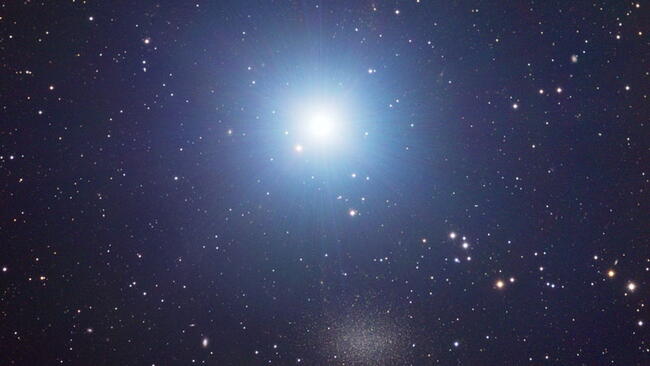
Regulus is one of the brightest stars in the night sky and the dazzling heart of the constellation Leo. Known as the “Little King,” this blue-white star has captured human attention for thousands of years thanks to its royal symbolism, prime position along the zodiac, and rare encounters with planets and the Moon. Easy to spot and rich in history, Regulus is a favorite target for both stargazers…

Groundhog Day. Just a bizarre tradition involving a marmot, right? Believe it or not, Groundhog Day is full of amazing sky-related stuff. Even its date relates to the heavens. Bob Berman explains the connection between astronomy and sky-watching.As the tradition goes, a Pennsylvania groundhog ignores crowds of humans closely gathered around him and then, despite having a 4-ounce brain, gets…

Have you heard of the Dog Star, Sirius? In February, it’s the brightest star in Earth’s night sky, parading overhead from nightfall until midnight. When viewing Sirius, we’re actually seeing the combined light of two stars. Learn how to find Sirius.Sirius is the alpha dog of the Big Dog constellation (Canis Major) and the brightest star of February. This star was considered bad news in…