
Planting
When to Plant Aloe Vera
You can plant aloe indoors at any time of the year—yep, they’re that easy! I find they settle in best when planted in spring, which is when they’re actively growing.
Where to Plant Aloe Vera
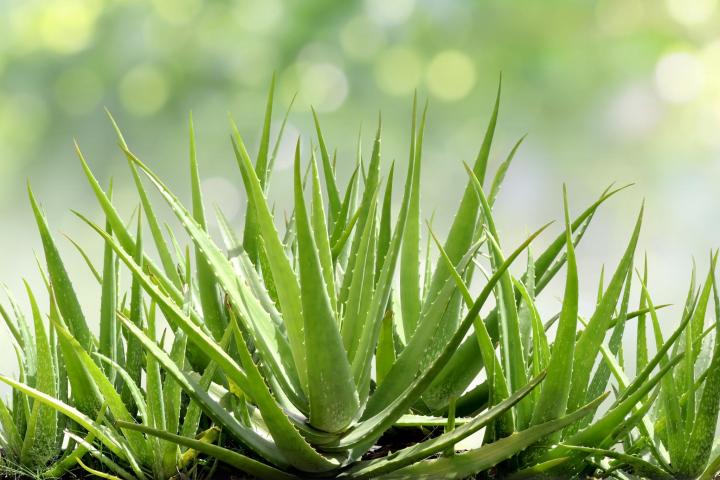
Plant aloe vera in a pot and place it in an area that gets lots of sun. Many people keep aloe vera indoors (away from pets!), but you can also keep it outdoors when temperatures stay above 50°F.
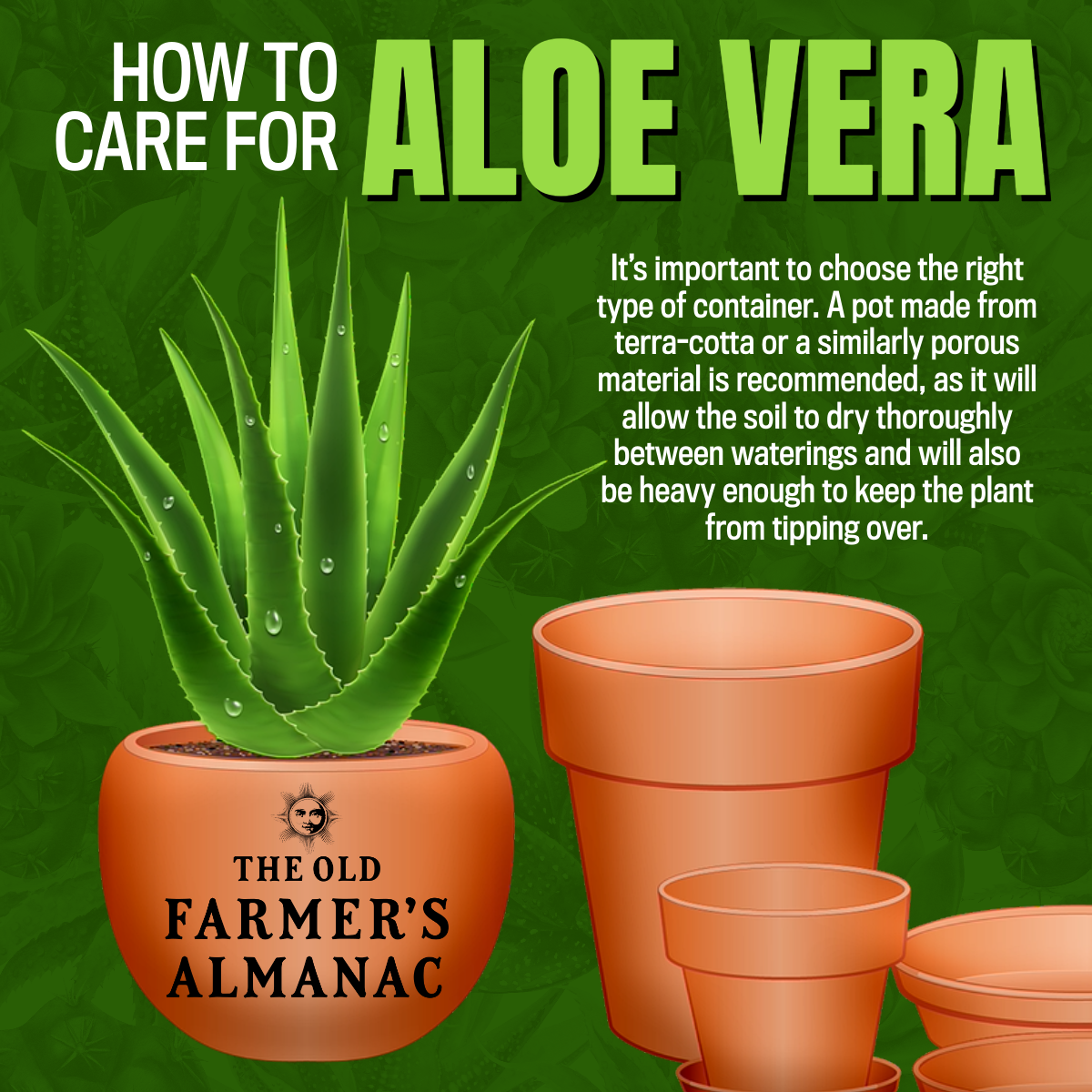
Pot type: Use terracotta pots with drainage holes so water can flow freely. Terracotta pots dry out faster than plastic ones, which can help prevent root rot. They’re also heavy enough to keep plants from tipping over.
Pot size: Choose a pot 1-2 inches wider than the root ball—aloe plants don’t have extensive root systems, so they don’t need much room under the soil. Small aloes grow fine in 4- to 6-inch pots, but you may need to move them to larger pots as they grow. Learn more about when and how to repot aloes and other houseplants.
Potting mix: Potted aloe vera plants grow best in potting mixes intended for succulents and cacti. To make your own, blend 2 parts standard potting mix, 1 part perlite or pumice, and 1 part grit or horticultural sand.
Sunlight: Place aloe vera in a spot that gets at least 4-6 hours of bright, indirect sunlight—aloe loves the sun! It’s best if the spot gets some shade during the hottest part of the day, especially if you live in a hot climate.
Did you know? If winters are mild where you live, you can plant aloes in a sunny spot in your garden. Just make sure the soil drains well.
How to Plant Aloe Vera
- Carefully remove the aloe plant from its nursery pot. Support the leaves with one hand to avoid accidentally breaking them. If the plant is stuck, run a butter knife gently around the edges to loosen the soil.
- Add several inches of well-draining potting mix to the bottom of your new container. Not sure if your potting mix is well-draining? Find out what it means and how to identify it. Gently remove some of the old soil from the plant’s roots.
- Place the plant in the new pot at about the same depth as it was in its nursery container. Cover the roots with potting mix, gently pressing it down with your fingers. If your plant has a long stem beneath its leaves, bury it so the soil comes up just below the lowest leaves.
- Water your newly planted aloe and settle it into its sunny new spot—easy peasy!
Harvesting
When to Harvest
- Harvest aloe gel only from mature plants that are at least 2-3 years old.
- Pick the leaves several days after watering; that’s when they tend to have the most gel!
How to Harvest
- Find a healthy, plump outer aloe leaf and use a sharp, clean knife to cut the leaf off where it meets the stem.
- Stand the leaf in a cup, cut end down, and leave it there for about 15 minutes. This process allows the natural latex inside aloe leaves (which can, ironically, irritate skin) to drain out.
- Rinse and dry the leaf well afterward. Place the leaf on a cutting board and use a sharp knife to trim away the thorny edges.
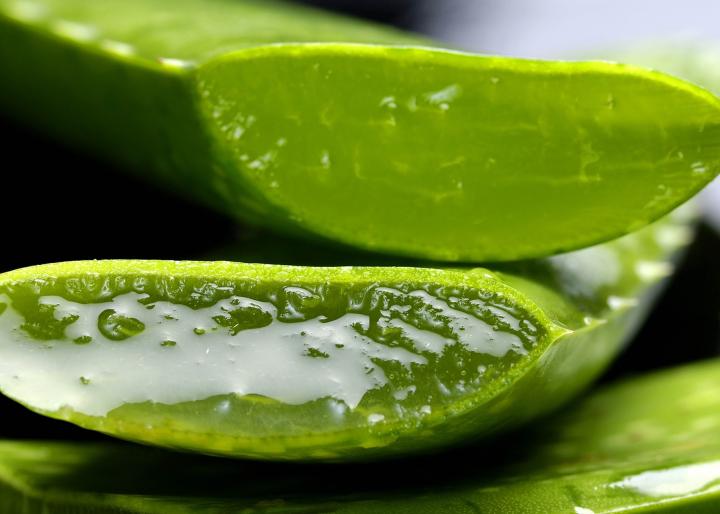
- Cut off the white base and pointed tip, leaving only the gel-filled section.
- Slice off the top and bottom green skin as if you’re filleting a fish. You can also use a spoon to scoop out the gel.
- Rinse the gel with clean water before using it on your skin.
Storage
- Store fresh aloe gel in an airtight container in the fridge for about 1 week.
- If you want your aloe gel to last longer, pop it into ice cube trays, freeze it, and store the frozen cubes in a freezer-proof container for up to 6 months.
Did you know? You can use a blender to get your aloe gel extra smooth!
Types
There are over 500 species of distinct aloe plants. Here are a few beginner-friendly varieties to try:
- Aloe vera: Upright green leaves that grow fast and are filled with soothing gel. It’s the classic “true aloe,” used as a folk remedy for many years.
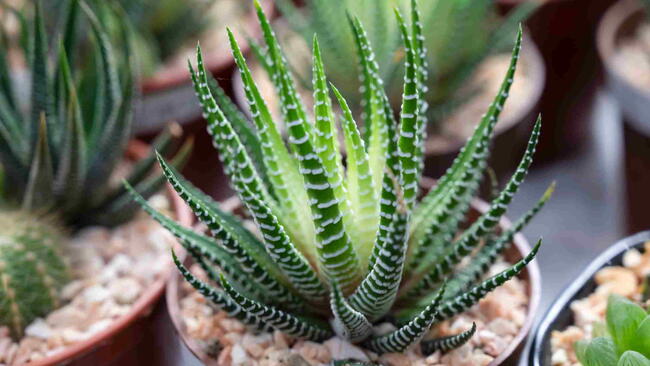
- Tiger aloe (Aloe variegata): Smooth leaves and uneven white striping (hence the tiger name)! This aloe stays small and fits well on windowsills or small spaces.
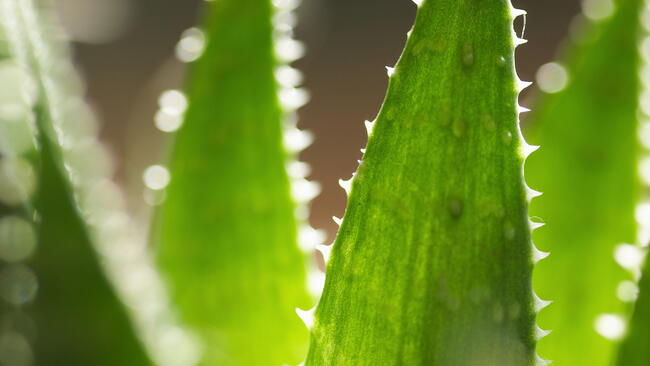
- Lace Aloe (A. aristata): White-spotted leaves that have fine “teeth” along the edges. May tolerate cooler weather better than other varieties.
- Blue Aloe (A. glauca): Gorgeous silvery-blue leaves—it really lives up to its name! Grows bigger than the other aloes listed here.
Sources
- National Institutes of Health — Second-Degree Burns and Aloe Vera: A Meta-analysis and Systematic Review

More Like This
Comments

Yes, processed aloe vera juice is a common drink! It's the unprocessed gel or liquid from the leaves that can cause poor reactions if ingested.
Watering is the right move. Leaves will get thin and droopy when not given enough water, so it sounds like yours just needed a drink!
- « Previous
- 1
- 2
- …
- 10
- Next »

Nevada is a diverse state with quite a few different zones (it ranges from Zone 4a in the mountains to Zone 10a at the southern tip), so check out the USDA's zone map to see which one you live in: https://planthardiness.ars.usda.gov/PHZMWeb/
It really depends on the type of succulent, but generally they are hardy into Zone 8.