
Harvesting
When to Harvest
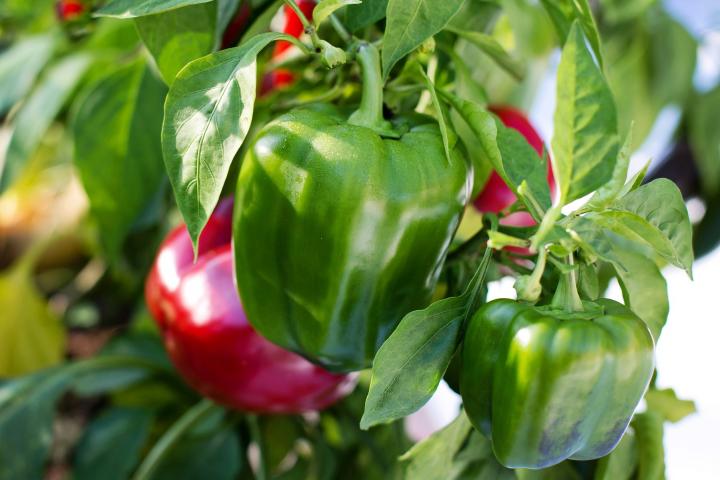
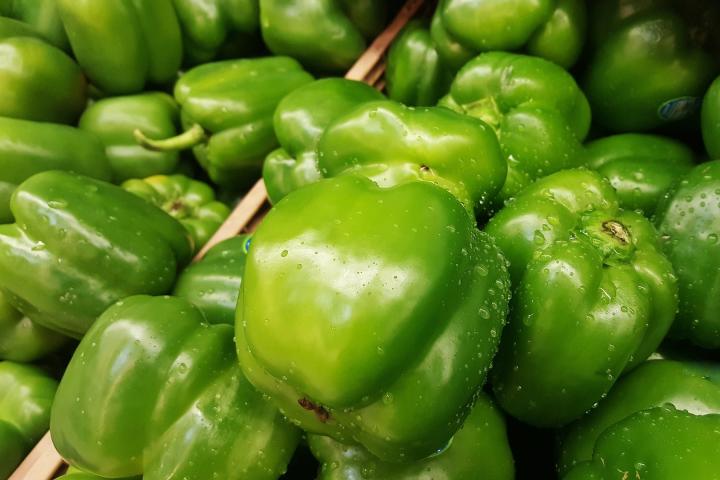
Begin harvesting bell peppers as soon as the plants begin fruiting and the peppers reach a usable size. You can harvest bell peppers when they’re green or when they reach their mature color, which may be red, orange, yellow, or even purple depending on the variety. Harvesting regularly prompts pepper plants to produce more fruit and safeguards harvests from pest damage; however, bell peppers get sweeter the longer they stay on the plant.
How to Harvest
To harvest bell peppers, hold the pepper stem and snip the stem off the plant with a clean pair of pruners, scissors, or a sharp knife. Don’t pull bell peppers off the plant as this can cause significant damage and make peppers less productive.
Storage
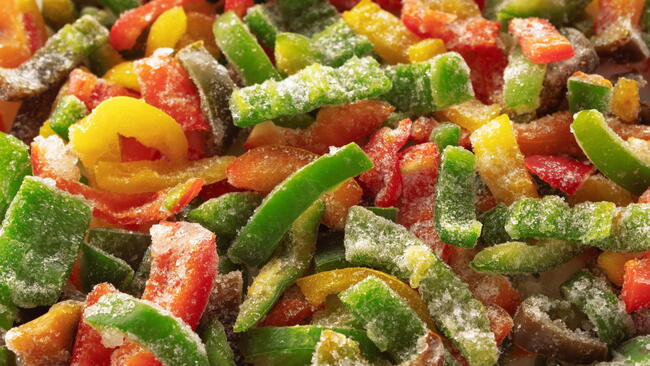
After harvesting, bell peppers should stay fresh in the cripsper drawer of your fridge for up to 10 days. For longer storage, you can also chop and freeze bell peppers, or wash, de-seed, chop and dry them in an oven or dehydrator set at 140°F for 4 to 6 hours.
Types
Look for varieties that ripen to their full color quickly; fully mature peppers are the most nutritious—and tastier, too!
- Green peppers that turn Red: ‘Lady Bell’, ‘Gypsy’, ‘Bell Boy’, ‘Lipstick’
- Orange: ‘Milena’, ‘Orange Sun’
- Yellow: ‘Golden California Wonder’


Only time will tell. If the injury left some of the vascular system intact, so that the plant juices and nutrients can still flow between the roots, stem, leaves, and fruit, then there might be a chance it will muddle through to the end of the season. But, the plant is now more susceptible to disease and insects, and may possibly go into shock. Providing support is good--do anything else that you can to coddle the plant so that it is under the least stress possible. Good luck!
Do you mean the stem end or the bottom of the pepper? Black areas starting at the bottom of the pepper might be due to blossom end rot. This is caused by a calcium deficiency which can show up in dry weather or uneven watering. It might also happen if there is root damage, a lot of salts in the soil, or lots of nitrogen. In this case, you don't need to worry about other plants getting the disease, since it is a cultural problem. Mulch to maintain moisture, and water consistently. Avoid high-nitrogen fertilizer.
If the black area is at the stem end, it might be bacterial soft rot. This is caused by bacteria that causes watersoaked areas on the fruit, which rots. Leaves will wilt. Discard any affected fruit, and give your plants plenty of spacing so that they have good air circulation; keep up with pests; and mulch to keep the bacteria in the soil from splashing onto plants.
Or, perhaps the variety was mislabelled and it is actually a black sweet pepper? In which case it is just part of the ripening process.
Hmm. Stripes can sometimes mean a virus (unless it is a natural feature of the fruit), especially if there are other signs, such as curling, mottled, or yellowing leaves; or misshapen fruit.
We'd suggest that you take a sample of the fruit and any other affected plant part to your local Cooperative Extension agent, or to a horticulturist at a local garden nursery. They might be able to identify the problem. For your Cooperative Extension contact information, see:
http://www.almanac.com/content/cooperative-extension-services
Hot peppers can tolerate heat better than bells. Perhaps at the time of flowering, it was too hot for sufficient pollination for the bells, but the hot peppers came through? (That wouldn't explain the Cubanelles, though.) Too much nitrogen can also cause lack of flowering/fruiting, but the other plants seem to be OK. Are all plants getting the same amount of soil nutrients, sunlight, water, etc? If not, perhaps the area where the bells are is different enough to cause a problem.
- « Previous
- 1
- 2
- …
- 10
- Next »

Comments