
Harvesting
When to Harvest
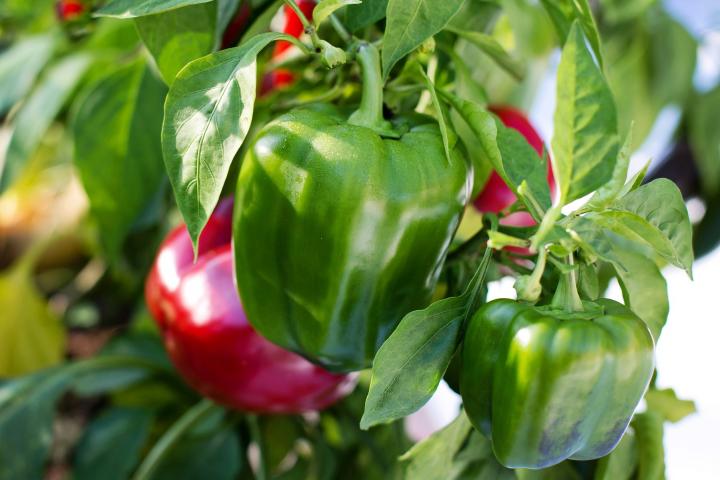
Begin harvesting bell peppers as soon as the plants begin fruiting and the peppers reach a usable size. You can harvest bell peppers when they’re green or when they reach their mature color, which may be red, orange, yellow, or even purple depending on the variety. Harvesting regularly prompts pepper plants to produce more fruit and safeguards harvests from pest damage; however, bell peppers get sweeter the longer they stay on the plant.
How to Harvest
To harvest bell peppers, hold the pepper stem and snip the stem off the plant with a clean pair of pruners, scissors, or a sharp knife. Don’t pull bell peppers off the plant as this can cause significant damage and make peppers less productive.
Storage
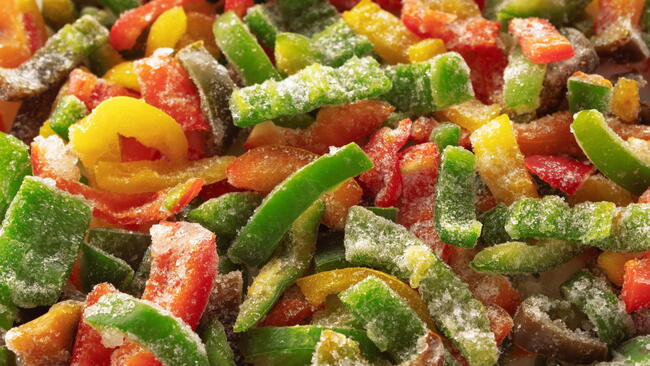
After harvesting, bell peppers should stay fresh in the cripsper drawer of your fridge for up to 10 days. For longer storage, you can also chop and freeze bell peppers, or wash, de-seed, chop and dry them in an oven or dehydrator set at 140°F for 4 to 6 hours.
Types
Look for varieties that ripen to their full color quickly; fully mature peppers are the most nutritious—and tastier, too!
- Green peppers that turn Red: ‘Lady Bell’, ‘Gypsy’, ‘Bell Boy’, ‘Lipstick’
- Orange: ‘Milena’, ‘Orange Sun’
- Yellow: ‘Golden California Wonder’


Please see the answer below.
They might perk up when temperatures get warmer, although there is a possibility that they will remain stunted. In the meantime, if your area is still cool, you might place row covers over the plants to help keep them warm at night. Black plastic mulch helps to keep the soil warm. When a pepper plant starts producing fruit before it has reached full growth, it sometimes helps to remove the tiny peppers and side dress the area with a bit of balanced fertilizer to encourage more plant growth. Cool temperatures during flowering may also affect pollination (the pollinators aren't out as much), resulting in tiny, misshapen fruit.
This could be any number of things -- it's good that you're on top of it! Make sure that it is getting enough sun. Make sure that it is getting enough water, but not too much! Water regularly, but only when the top surface starts to dry out to a depth of an inch or two. It could be a nutrient deficiency; try a little bit of some well-balanced (10-10-10) fertilizer. It could be pests: Do an inspection and use some eco-friendly pesticide if necessary. So, your order of action here should be Pests, Water, Sun, Nutrients -- in successive but quick order!
- « Previous
- 1
- 2
- …
- 10
- Next »

Comments