
Harvesting
When to Harvest
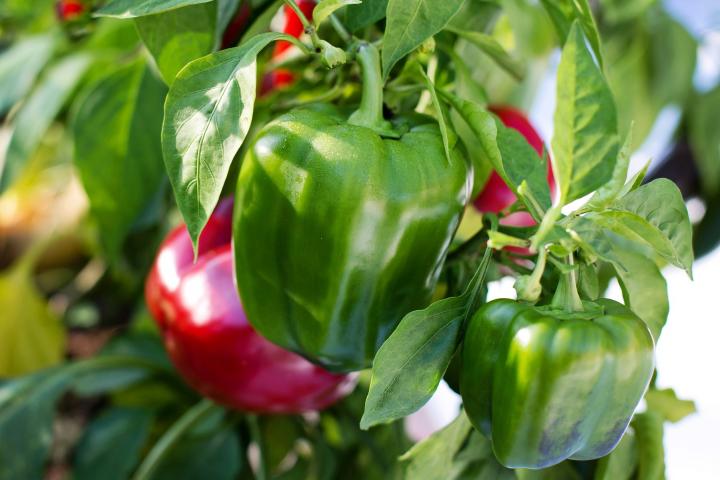
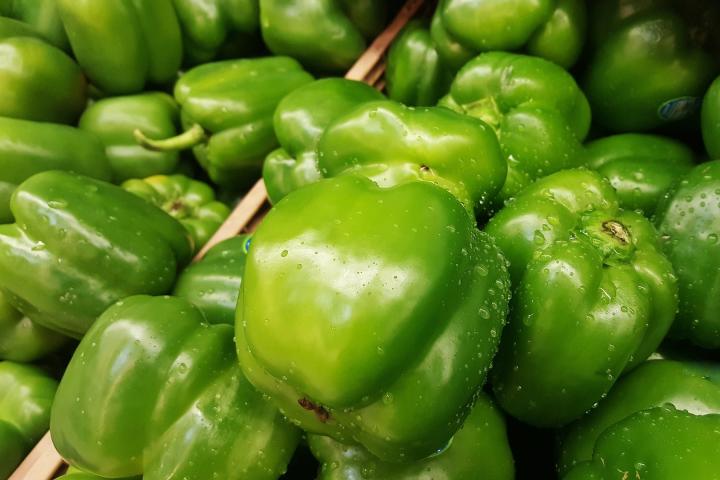
Begin harvesting bell peppers as soon as the plants begin fruiting and the peppers reach a usable size. You can harvest bell peppers when they’re green or when they reach their mature color, which may be red, orange, yellow, or even purple depending on the variety. Harvesting regularly prompts pepper plants to produce more fruit and safeguards harvests from pest damage; however, bell peppers get sweeter the longer they stay on the plant.
How to Harvest
To harvest bell peppers, hold the pepper stem and snip the stem off the plant with a clean pair of pruners, scissors, or a sharp knife. Don’t pull bell peppers off the plant as this can cause significant damage and make peppers less productive.
Storage
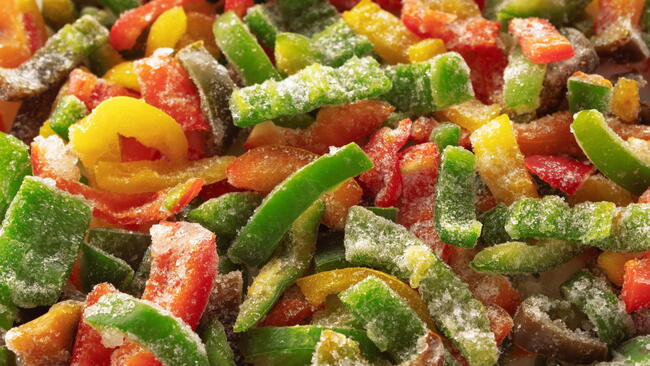
After harvesting, bell peppers should stay fresh in the cripsper drawer of your fridge for up to 10 days. For longer storage, you can also chop and freeze bell peppers, or wash, de-seed, chop and dry them in an oven or dehydrator set at 140°F for 4 to 6 hours.
Types
Look for varieties that ripen to their full color quickly; fully mature peppers are the most nutritious—and tastier, too!
- Green peppers that turn Red: ‘Lady Bell’, ‘Gypsy’, ‘Bell Boy’, ‘Lipstick’
- Orange: ‘Milena’, ‘Orange Sun’
- Yellow: ‘Golden California Wonder’


As you see the pepper seeds come up, immediately get them in bright light: a south-facing window or, if this is not bright enough, under grow lights. Rigging up a couple of Cool White bulbs might do it.
Also, spindly growth can come from poor air circulation so don't crowd your plants and make sure that they can get light from all possible angles.
Finally, do not start seeds too early. See our planting dates chart for your zip code: www.almanac.com/plantingtable
Usually you can transplant your seedlings into the garden after about 8 weeks indoors. Peppers love sunlight, just be careful that it doesn't get too hot on the windowsill. Before you transplant the seedlings you may want to harden them off by putting them outside during the day and bringing them inside during the night.
We're not clear. Are they still in pots or are peppers now in the ground? Peppers will suffer slow growth and not thrive if it's too cool. Our best guess is that the temps are too cool.
You can start them indoors 6 to 8 weeks ahead, and transplant them outdoors when soil has been thoroughly warmed in the spring.
Our research indicates no good or easy answer to this one. Mold is usually caused by too much moisture or water. Some sources suggest that you should start over again, but before you do that, scrape the mold off if you can and try to dry out the containers. Some sources suggest trying to replant the seeds/seedlings in new material and nurture them the old-fashioned way (not in this type of container). You have quite a potential crop and we wish you the best with it.
- « Previous
- 1
- 2
- …
- 10
- Next »

Comments