
Harvesting
When to Harvest
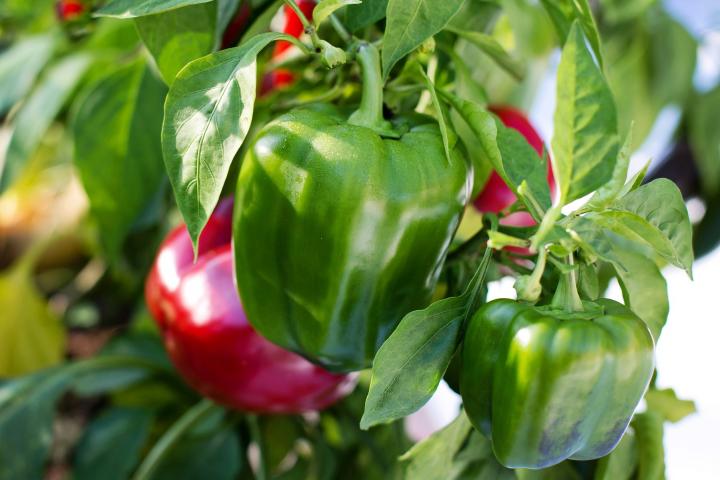
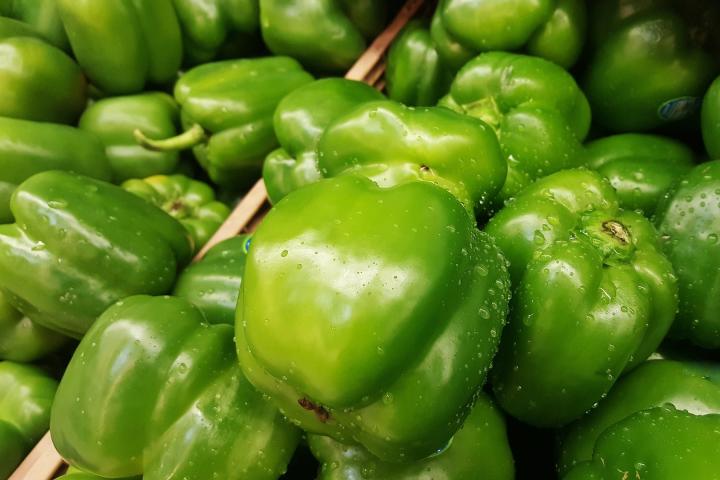
Begin harvesting bell peppers as soon as the plants begin fruiting and the peppers reach a usable size. You can harvest bell peppers when they’re green or when they reach their mature color, which may be red, orange, yellow, or even purple depending on the variety. Harvesting regularly prompts pepper plants to produce more fruit and safeguards harvests from pest damage; however, bell peppers get sweeter the longer they stay on the plant.
How to Harvest
To harvest bell peppers, hold the pepper stem and snip the stem off the plant with a clean pair of pruners, scissors, or a sharp knife. Don’t pull bell peppers off the plant as this can cause significant damage and make peppers less productive.
Storage
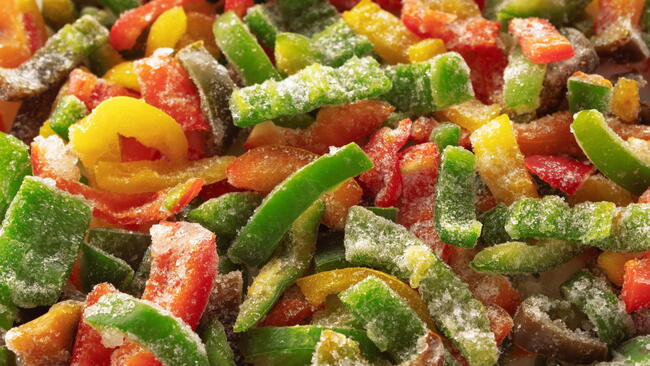
After harvesting, bell peppers should stay fresh in the cripsper drawer of your fridge for up to 10 days. For longer storage, you can also chop and freeze bell peppers, or wash, de-seed, chop and dry them in an oven or dehydrator set at 140°F for 4 to 6 hours.
Types
Look for varieties that ripen to their full color quickly; fully mature peppers are the most nutritious—and tastier, too!
- Green peppers that turn Red: ‘Lady Bell’, ‘Gypsy’, ‘Bell Boy’, ‘Lipstick’
- Orange: ‘Milena’, ‘Orange Sun’
- Yellow: ‘Golden California Wonder’

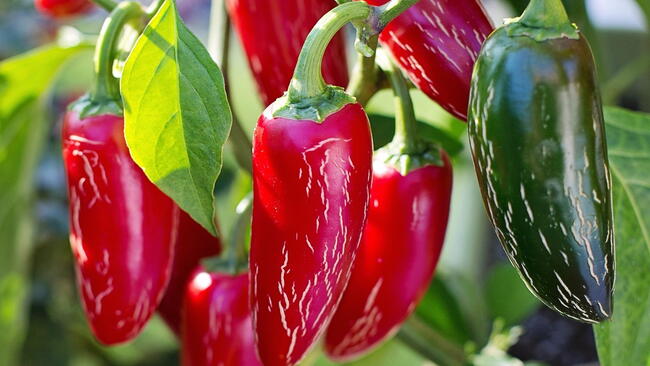

You should expect to be harvesting your delicious peppers about 65–85 days after transplanting.
You can harvest those peppers before they reach full maturity if you wish; sometimes the flavor is even better.
There are a variety of possible reasons why the peppers are small and deformed. The most common reason is temperature. Peppers are very sensitive to temperatures that are too cold or hot. If the temperatures dip below 60 degrees during fruit set, they can be small and misshapen.
Your peppers will continue to ripen after being picked. Just keep them at room temperature; if they are in cool conditions, they won't ripen very well.
Hi, Jenna, It sounds as if your peppers had blossom end rot. You probably don't have enough calcium in the soil and when it rains a lot or is too dry (moisture fluctuation), this becomes apparent. And/or you had too much nitrogen in the soil during early fruiting. There's not much you can do now. For next year: Test your soil. Your cooperative extension should have free or low-fee soil tests. Get it to a pH of 6.5 to 6.8. If too low, you may need to amend the soil with lime. Or, if your pH is OK, you may need to add gypsum. Crumbled egg shells are good, too. Also: Avoiding adding fertilizer with nitrogen made from ammonia which ties up calcium. Finally: Water VERY consistently. Veggies need 1 to 1 1/2 inches of water a week while fruiting. Water at the soil level and don't use a sprinkler to avoid water on the fruit or leaves. Consider a timer or drip irrigation to keep the moisture levels even.
- « Previous
- 1
- 2
- …
- 10
- Next »

Comments