
Harvesting
When to Harvest
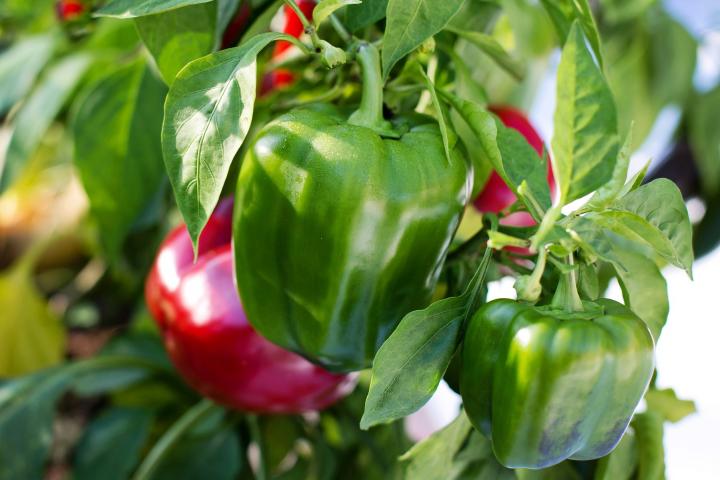
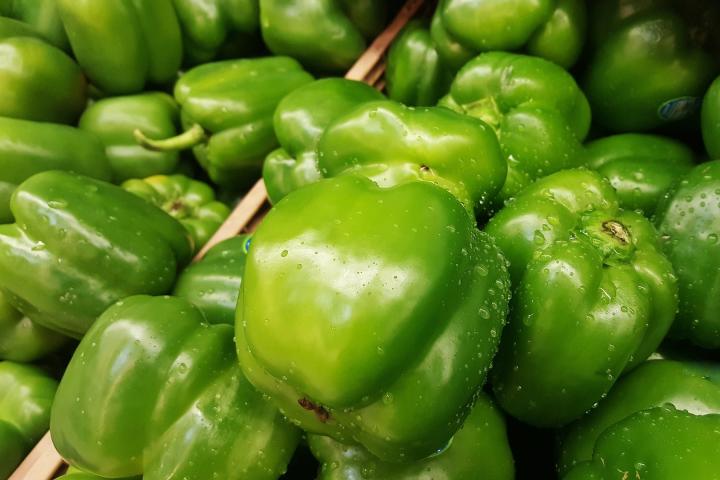
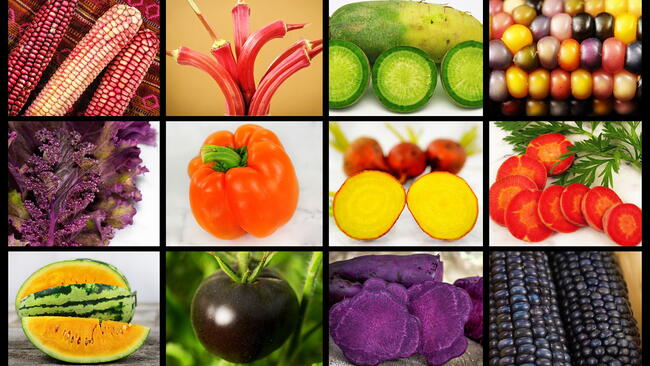
Begin harvesting bell peppers as soon as the plants begin fruiting and the peppers reach a usable size. You can harvest bell peppers when they’re green or when they reach their mature color, which may be red, orange, yellow, or even purple depending on the variety. Harvesting regularly prompts pepper plants to produce more fruit and safeguards harvests from pest damage; however, bell peppers get sweeter the longer they stay on the plant.
How to Harvest
To harvest bell peppers, hold the pepper stem and snip the stem off the plant with a clean pair of pruners, scissors, or a sharp knife. Don’t pull bell peppers off the plant as this can cause significant damage and make peppers less productive.
Storage
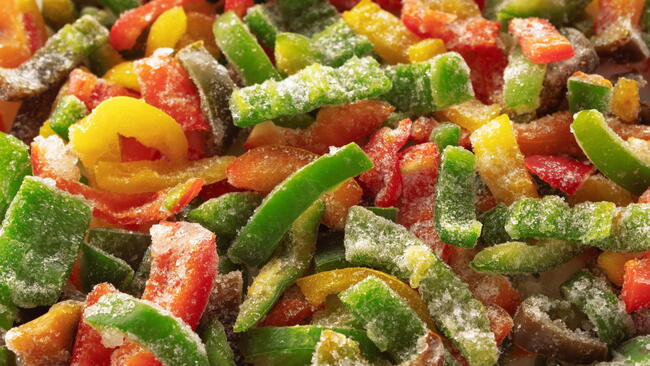
After harvesting, bell peppers should stay fresh in the cripsper drawer of your fridge for up to 10 days. For longer storage, you can also chop and freeze bell peppers, or wash, de-seed, chop and dry them in an oven or dehydrator set at 140°F for 4 to 6 hours.
Types
Look for varieties that ripen to their full color quickly; fully mature peppers are the most nutritious—and tastier, too!
- Green peppers that turn Red: ‘Lady Bell’, ‘Gypsy’, ‘Bell Boy’, ‘Lipstick’
- Orange: ‘Milena’, ‘Orange Sun’
- Yellow: ‘Golden California Wonder’

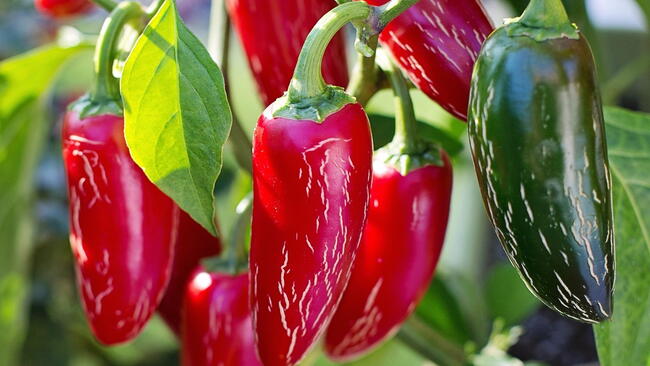

There are so many reasons why a pepper plant's leaves shrivel up. Is it getting enough water? The topsoil should be moist a few inches deep (use your finger to reach down). Are you overwatering? Soil should never be soggy. Is it too hot? Peppers like heat but if it's consistently super hot, you may need to give them shade cloth at the peak of the day. Finally, there are pests and diseases. Aphids and thrips are especially bothersome. You need to spray soapy water in the morning or Neem oil or speak to your local garden center about another solution.
Early flowering in peppers sometimes happens. Some gardeners leave the flowers alone, but others prefer to pinch the early blossoms so that the plant can focus on developing a good root system before focusing on fruit production. Blossoms may drop if the plant is stressed, such as too hot (above 85F or 90F day) or cold (below 60F night), or not enough or too little water. Peppers are particularly sensitive to temperature, and like daytime temps of around 70 to 80F. Transplanting may also stress the plant for a little while, but they should recover. Petals of a successfully pollinated flower will drop after a few days--look just near the area of the petals to see if a little fruit is forming. Hope this helps!
- « Previous
- 1
- 2
- …
- 10
- Next »

Comments